Discover effective meditation techniques designed to bolster your resilience during challenging periods. Cultivating mental strength through mindfulness can help navigate adversity with greater stability and emotional endurance. This guide offers practical insights to develop a resilient mindset, empowering you to face tough times with confidence and calmness.
Introduction to Meditation for Resilience
In times of adversity, cultivating mental resilience becomes essential for maintaining well-being and navigating challenges effectively. Meditation emerges as a powerful tool that enhances one’s capacity to stay centered, calm, and focused amidst chaos. Its practice offers a pathway to develop emotional strength, reduce stress, and foster a resilient mindset that can withstand life’s inevitable hardships.
Through regular meditation, individuals can strengthen their mental and emotional fortitude by training their minds to respond rather than react to stressful situations. As a result, they become better equipped to manage fear, anxiety, and uncertainty, leading to a more stable and adaptive outlook. This section explores how meditation plays a pivotal role in strengthening resilience and emotional stability, highlighting its importance as a foundational practice in overcoming difficult times.
Benefits of Meditation in Building Resilience
Practicing meditation consistently can yield a multitude of benefits that directly support resilience during challenging circumstances. Below is an overview of key advantages, methods for fostering resilience through meditation, and the expected outcomes for individuals committed to this practice.
| Benefits | Methods | Expected Outcomes |
|---|---|---|
| Enhanced emotional regulation | Mindfulness meditation focusing on observing thoughts and feelings without judgment | Greater ability to manage emotional reactions and maintain composure in stressful situations |
| Reduced stress and anxiety | Breath-focused meditation techniques such as diaphragmatic breathing and guided visualization | Lower cortisol levels, decreased feelings of anxiety, and improved mood stability |
| Improved focus and clarity | Concentration and loving-kindness meditation practices | Enhanced cognitive flexibility, better decision-making, and increased patience |
| Increased self-awareness | Body scan and mindfulness meditation sessions | Deeper understanding of personal triggers, strengths, and coping mechanisms |
| Resilience to emotional setbacks | Regular meditation routine combined with reflection practices | Development of a resilient inner voice, leading to quicker recovery from setbacks |
Foundations of Meditation for Strengthening Resilience
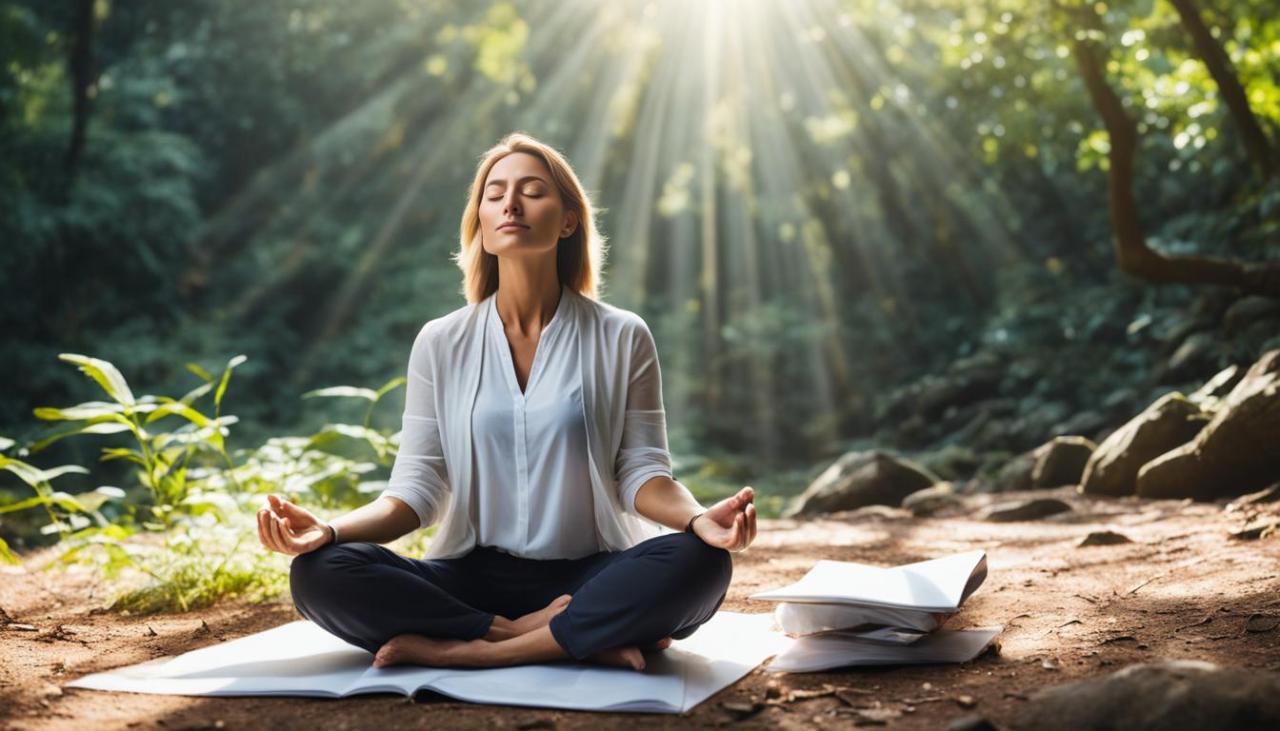
Establishing a solid foundation in meditation is essential for individuals seeking to enhance their emotional endurance during challenging times. By mastering fundamental techniques, beginners can develop resilience that sustains them through adversity, stress, and uncertainty. These practices foster a calm mind, emotional stability, and a resilient outlook, serving as vital tools in navigating life’s difficulties.
Fundamental meditation techniques designed for resilience focus on cultivating mindfulness, controlled breathing, and gentle focus. These methods are accessible and adaptable, making them suitable for those new to meditation. Consistent practice helps in rewiring emotional responses, reducing reactivity, and strengthening mental fortitude, thereby creating an inner reserve of strength to face tough situations.
Fundamental Meditation Techniques for Beginners
Beginners aiming to boost resilience should prioritize simple, effective meditation techniques that promote emotional stability and mental clarity. These foundational practices serve as building blocks for more advanced techniques and integrate seamlessly into daily routines.
| Technique | Description | Benefits for Resilience |
|---|---|---|
| Mindfulness Meditation | Focusing attention on the present moment, observing thoughts and sensations without judgment. | Reduces emotional reactivity, enhances emotional regulation, and cultivates acceptance of difficult experiences. |
| Breathing Exercises | Controlling the breath through specific patterns such as diaphragmatic or box breathing to induce calmness. | Regulates the nervous system, lowers stress hormones, and fosters emotional balance. |
| Body Scan Meditation | Progressively bringing awareness to different parts of the body, noticing sensations without judgment. | Enhances bodily awareness, reduces tension, and anchors the mind during stressful moments. |
| Loving-kindness Meditation | Fostering compassion towards oneself and others, repeating phrases of kindness and goodwill. | Builds emotional resilience by cultivating positive emotions and reducing negativity. |
Incorporating these techniques into daily practice lays a robust foundation for developing resilience. The simplicity of these approaches makes them accessible and sustainable, encouraging consistency and long-term benefits.
Step-by-Step Guide to Establishing a Meditation Routine for Resilience
Creating a reliable meditation routine ensures that the practice becomes an integral part of resilience-building efforts. Consider the following steps to establish an effective and sustainable routine:
- Select a Consistent Time: Dedicate a specific time each day—preferably morning or evening—when you are least likely to be interrupted. Consistency reinforces habit formation and enhances the routine’s effectiveness.
- Choose a Quiet, Comfortable Environment: Find a space free from distractions, with minimal noise and comfortable seating. An environment conducive to relaxation supports deeper focus and mindfulness.
- Start with Short Sessions: Begin with 5-10 minutes daily, gradually increasing duration as comfort and confidence grow. Short, regular sessions are more sustainable and less overwhelming for beginners.
- Use Guided Resources: Utilize guided meditations or apps designed for resilience and emotional strength. Guidance helps maintain focus and provides structure, especially for beginners.
- Practice Proper Posture and Breathing: Sit comfortably with a straight spine, relaxed shoulders, and hands resting on your lap. Focus on deep, diaphragmatic breathing to deepen relaxation.
- Incorporate Mindfulness and Breath Awareness: During meditation, bring attention to your breath or present moment sensations, gently redirecting focus whenever distractions occur.
- Track Progress and Reflect: Keep a journal to note your experiences, mood shifts, and resilience improvements over time. Reflection reinforces commitment and awareness of benefits.
By adhering to these steps, individuals can establish a sustainable meditation practice that significantly enhances their resilience, equipping them with emotional strength to navigate life’s inevitable challenges effectively.
Techniques Focused on Building Inner Strength
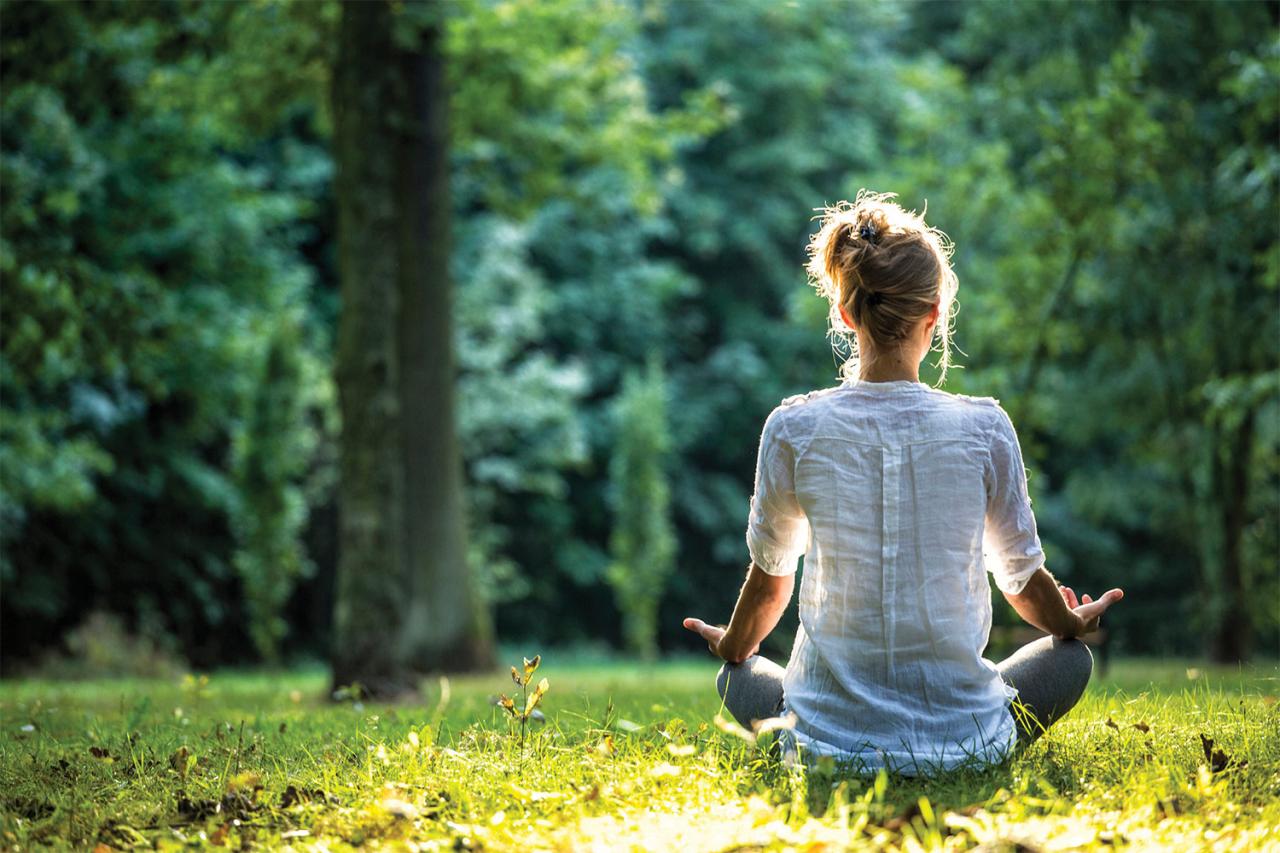
Developing inner strength is fundamental to enhancing resilience, especially during challenging times. Meditation offers a variety of methods that cultivate emotional stability, mental clarity, and compassionate awareness. By integrating specific techniques into your practice, you can fortify your capacity to navigate stress and adversity with greater ease and confidence.
Each meditation method serves a unique purpose in reinforcing resilience. Focused attention helps anchor the mind, reducing susceptibility to overwhelm. Loving-kindness meditation fosters compassion and emotional warmth, building a supportive inner environment. The body scan promotes bodily awareness and relaxation, which are crucial for managing stress responses. Practicing these techniques consistently and effectively can significantly bolster your mental and emotional resilience in the face of life’s difficulties.
Focused Attention Meditation
This technique involves directing your entire focus on a single object, thought, or sensation, such as your breath, a candle flame, or a specific sound. It trains the mind to stay present, enhancing concentration and reducing anxiety caused by dwelling on past or future worries.
- Find a quiet, comfortable space and sit in a relaxed posture.
- Choose a focal point, such as your breath or a visual object, and gently bring your attention to it.
- If your mind wanders, acknowledge the distraction without judgment and softly redirect your focus back to the chosen object.
- Practice for 5 to 10 minutes daily, gradually increasing duration as comfort with the method improves.
During stressful moments, this technique helps anchor your awareness, reducing reactive tendencies and cultivating calmness. It strengthens your ability to stay centered amid chaos, fostering resilience over time.
Loving-Kindness Meditation (Metta)
This practice involves cultivating feelings of compassion, kindness, and goodwill toward oneself and others. It enhances emotional resilience by fostering positive emotional states and reducing feelings of anger, frustration, or despair that often arise in difficult situations.
- Sit comfortably and close your eyes, taking several deep breaths to settle into the moment.
- Begin by silently repeating phrases such as, “May I be safe, may I be healthy, may I be happy, may I live with ease.” Focus on genuinely feeling these wishes.
- Gradually extend these phrases to loved ones, acquaintances, and even difficult individuals, cultivating universal compassion.
- Practice for 10 to 15 minutes, ideally daily, to build a resilient emotional foundation.
In stressful scenarios, loving-kindness meditation helps shift focus from reactive emotions to constructive feelings of warmth and understanding, strengthening inner emotional resources.
Body Scan Meditation
The body scan technique involves systematically directing attention to different parts of the body, noticing sensations, tensions, or discomfort without judgment. This process enhances bodily awareness and relaxation, which are vital for managing stress and building resilience.
- Lie down comfortably or sit in a supportive chair, closing your eyes if comfortable.
- Begin by bringing your attention to the tips of your toes, noticing any sensations or tensions.
- Gradually move your focus upward through your legs, abdomen, chest, arms, neck, and face, pausing at each area to observe sensations.
- If you notice tension or discomfort, breathe into it, imagining the tension dissolving with each exhale.
- Complete the scan within 15 to 20 minutes, practicing daily or as needed during stressful periods.
This technique enhances awareness of physical states, enabling you to recognize early signs of stress and respond with calmness. Regular practice fosters resilience by strengthening the mind-body connection and promoting emotional regulation.
Techniques, Descriptions, and Recommended Durations
| Technique | Description | Recommended Duration |
|---|---|---|
| Focused Attention Meditation | Directs attention to a single point of focus, such as breath or an object, to enhance concentration and present-moment awareness. | 5-10 minutes per session, daily |
| Loving-Kindness Meditation (Metta) | Fosters feelings of compassion and goodwill towards oneself and others, promoting emotional positivity and resilience. | 10-15 minutes per session, daily |
| Body Scan Meditation | Involves systematically observing bodily sensations, promoting relaxation and bodily awareness. | 15-20 minutes per session, daily or as needed |
Consistent practice of these meditation techniques can significantly enhance your inner resilience, enabling you to face life’s challenges with greater strength, compassion, and calmness.
Developing Mental Toughness through Guided Meditation
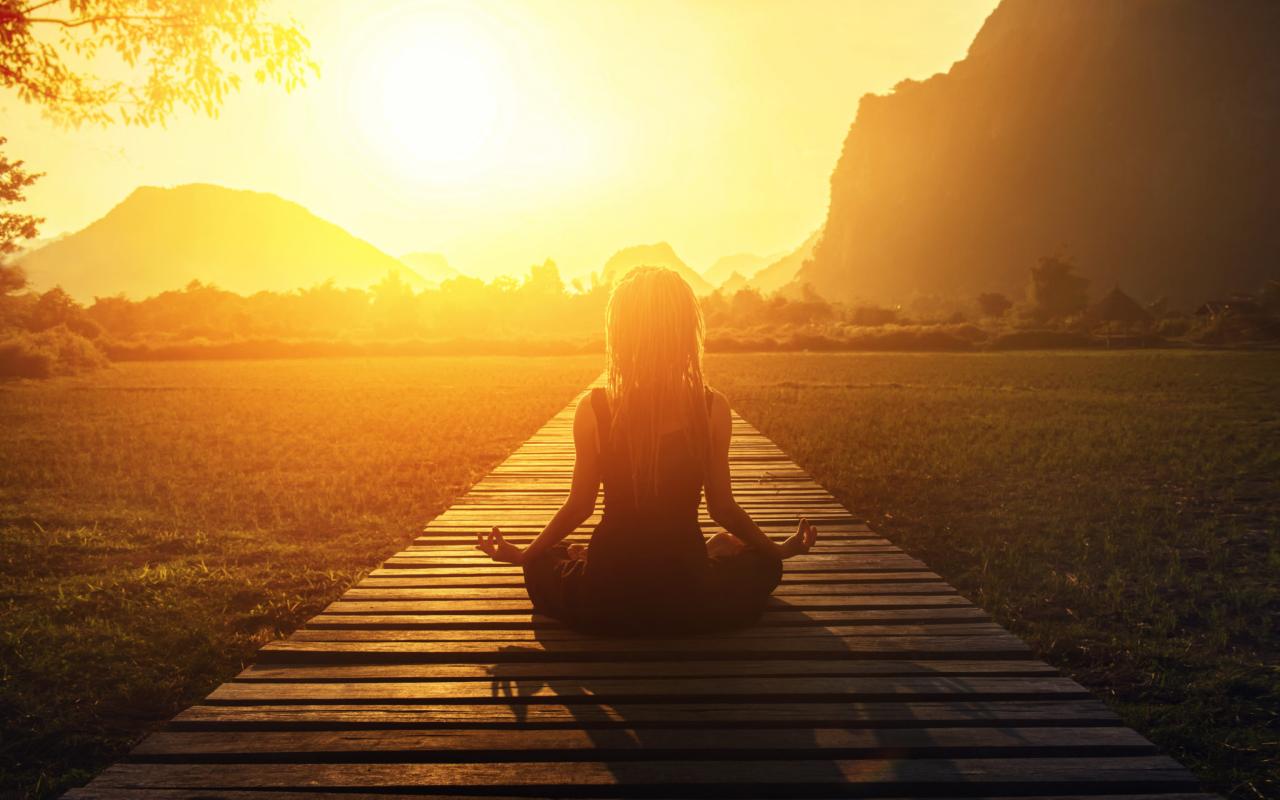
Building mental resilience is essential for navigating life’s inevitable challenges. Guided meditation serves as a powerful tool to cultivate qualities such as patience, acceptance, and fortitude, which underpin mental toughness. By engaging in structured meditative practices, individuals can strengthen their inner resilience, enabling them to face adversity with calmness and confidence.
Guided meditations focused on resilience typically involve visualizations, affirmations, and mindfulness exercises designed to enhance emotional stability and mental strength. These sessions can be tailored to address specific emotional responses to stress, helping practitioners develop a steady and resilient mindset amid tough circumstances.
Creating Guided Meditation Scripts and Using Audio Guides
Effective guided meditation sessions for resilience can be crafted using personalized scripts or by leveraging existing audio recordings. Personalization allows for addressing individual challenges and reinforcing specific resilience themes, while professionally produced audio guides offer consistency and expert voiceovers that enhance engagement.
- Crafting Personalized Scripts: Begin by identifying specific resilience qualities you wish to develop—such as patience during waiting periods or acceptance of uncontrollable situations. Use calming language, imagery, and affirmations that resonate personally, ensuring the script encourages a sense of inner strength and calmness.
- Utilizing Existing Audio Guides: Select guided meditation recordings that focus on themes like emotional endurance, patience, or stress management. Listening regularly can reinforce resilience themes and help embed positive mental habits into daily routines.
Below are example scripts and instructions for meditation sessions targeting resilience during difficult times.
Example Meditation Scripts for Resilience
Patience and Acceptance Session:
- Begin by finding a comfortable seated position, closing your eyes gently. Take a deep breath in, and exhale slowly, allowing your body to relax.
- Visualize yourself standing in a calm, serene landscape, perhaps a quiet forest or a peaceful beach. As you breathe, imagine a gentle breeze carrying away your frustration or impatience.
- Repeat silently: “I accept what I cannot change, and I have the patience to endure.”
- Feel a sense of calm and surrender, knowing that resilience grows through patience and acceptance.
- Gradually bring your awareness back to your surroundings, carrying this sense of inner strength with you.
Fortitude and Inner Strength Session:
- Start with a few deep breaths, anchoring yourself in the present moment.
- Visualize a situation where you faced adversity with courage—perhaps a difficult conversation or a challenging project. See yourself responding with calm and confidence.
- Repeat affirmations such as: “I am resilient. I possess inner strength to overcome challenges.”
- Feel your inner core expanding, embodying resilience and unwavering determination.
- Slowly, bring your attention back, feeling empowered and prepared to face any tough times ahead.
Using Audio Guides:
- Select recordings that incorporate soothing voices, calming music, and resilience-focused themes, ensuring they align with your personal needs.
- Practice regularly, ideally daily, in a quiet space where you can fully immerse yourself without distractions.
- While listening, focus on the guided instructions, visualization, and affirmations, allowing them to penetrate deeply into your subconscious mind.
- Combine audio guides with journaling or reflection afterward to reinforce the resilience qualities cultivated during the session.
Visualizations and Imagery for Strengthening Resilience

Visualization techniques are powerful tools in meditation that help reinforce mental resilience by fostering a sense of inner strength, calmness, and the ability to overcome challenges. By intentionally creating vivid mental images, individuals can train their minds to access resilience more readily during adverse circumstances, thus building emotional fortitude and stability over time.
Effective visualization involves constructing detailed, sensory-rich images that evoke feelings of calm, power, and perseverance. These mental exercises serve to anchor resilience, enabling practitioners to draw upon their inner resources when facing stress or adversity. The following practices guide the development of such imagery, reinforcing mental toughness and fostering a resilient mindset.
Creating Vivid Mental Imagery of Strength, Calm, and Overcoming Adversity
Developing compelling mental images requires attention to detail, sensory engagement, and emotional connection. The process enhances the ability to summon resilient qualities instinctively during difficult moments. Here are essential steps and considerations for crafting effective visualizations:
- Engage All Senses: Incorporate sight, sound, touch, smell, and taste into your visualization to make the experience more immersive. For example, imagine the feeling of a cool breeze on your skin, the sound of gentle waves, or the sight of a radiant sun shining through clouds.
- Create a Vivid Scene of Inner Strength: Visualize yourself standing tall on a sturdy mountain peak, unaffected by storms. See yourself radiating confidence, surrounded by a luminous aura that signifies resilience. Imagine the sensation of solid earth beneath your feet, grounding you in strength.
- Imagine Calmness in Chaos: Picture a turbulent sea settling into a calm, mirror-like surface. Visualize your mind as that tranquil sea, untouched by external waves. Feel the serenity emanating from within, reinforcing your capacity to remain composed under pressure.
- Overcoming Adversity: Envision a challenging situation, such as facing a storm or obstacle, and see yourself navigating it with ease and determination. Visualize the successful resolution, feeling the pride and confidence that accompanies overcoming difficulties.
Guided Visualization Practice
Find a comfortable seated or lying position. Close your eyes and take deep, calming breaths. Begin by grounding yourself in the present moment. Visualize yourself in a powerful, resilient state using the following detailed imagery:
“Imagine standing in a lush, green forest. The sunlight filters through the leaves, casting dappled patterns on the ground. You feel a gentle breeze that energizes and calms you simultaneously. In front of you, a majestic mountain rises—solid, unwavering, and enduring. You see yourself ascending this mountain with confidence and purpose. Each step you take makes you stronger, more grounded. As you reach the summit, you look out over a vast landscape, feeling a deep sense of accomplishment and resilience inside you.”
Incorporating Resilience Meditation into Daily Life
Enhancing resilience through meditation is most effective when integrated seamlessly into daily routines. Practicing quick, targeted meditations during moments of stress allows individuals to regain mental clarity and emotional stability promptly. By embedding these practices into everyday activities, resilience becomes a habitual part of life, empowering individuals to navigate challenges with greater ease and confidence.Incorporating resilience-focused meditation into daily life involves recognizing the natural flow of your day and choosing optimal moments to pause and reconnect with your inner strength.
These brief practices can serve as powerful tools to mitigate stress, improve emotional regulation, and foster a resilient mindset. The key lies in consistency and adaptability—finding practical ways to embed meditation into various contexts without disrupting daily responsibilities.
Procedures for Integrating Quick Resilience-Focused Meditations During Stressful Moments
Implementing quick resilience meditations requires simplicity and immediacy, enabling you to employ these techniques whenever stress or anxiety peaks. The following steps provide a practical approach:
- Recognize the signs of rising stress, such as rapid heartbeat, tense muscles, or racing thoughts.
- Pause briefly, even if only for a minute, to shift your focus inward.
- Engage in a grounding technique, such as deep diaphragmatic breathing, inhaling slowly through the nose for four seconds, holding briefly, and exhaling through the mouth for six seconds.
- Visualize a calming scene or recall a personal strength affirmation to re-center your emotional state.
- Return to your task with a renewed sense of clarity and resilience.
Methods for Combining Meditation with Physical Activities
Physical activities like walking or yoga offer excellent opportunities to practice resilience meditation in motion. Integrating mindfulness and meditative focus into these activities enhances their stress-relief benefits and promotes mental resilience alongside physical well-being. Below are effective methods for such integration:
- Practice walking meditation: Focus attention on the sensation of each step, the movement of your legs, and the environment around you, cultivating presence and calmness.
- Incorporate breath awareness during yoga: Synchronize your breath with each pose, emphasizing deep, steady inhales and exhales to foster inner strength and mental clarity.
- Set intentions before physical activity: Briefly meditate on a resilience-themed affirmation or visualization to carry into your exercise routine.
- Use mindful pauses: During walking or yoga, take intentional pauses to breathe deeply and reflect, reinforcing resilience and mental toughness.
Quick Meditation Techniques, Suitable Times, and Benefits
| Technique | Suitable Times | Benefits |
|---|---|---|
| Deep Breathing Exercise | During stressful moments, before difficult meetings, or after conflicts | Reduces anxiety, lowers blood pressure, enhances focus, stabilizes emotions |
| Body Scan Meditation | Midday breaks, before bedtime, or when feeling overwhelmed | Increases bodily awareness, alleviates tension, fosters relaxation, promotes emotional regulation |
| Visualization of Resilience Scene | When facing a challenging task or during transitions | Builds mental strength, boosts confidence, cultivates positive outlook |
| Mini Mindfulness Check-in | Between tasks or during short breaks | Enhances present-moment awareness, prevents burnout, improves decision-making |
| Gratitude Reflection | In the morning or evening, during commutes or quiet moments | Shifts focus to positive aspects, reinforces resilience, promotes emotional well-being |
By consciously selecting appropriate techniques and timing their practice throughout the day, individuals can strengthen their resilience continuously. These brief yet impactful practices serve as mental resets, enabling one to face life’s inevitable challenges with greater strength and composure.
Tracking Progress and Reflecting on Resilience Growth
Monitoring your development in resilience through meditation practices is essential for understanding your emotional and mental progress over time. Establishing effective methods for assessment and reflection can help you recognize strengths, identify areas for improvement, and maintain motivation as you cultivate inner resilience during challenging times.
This process involves both quantitative and qualitative approaches, including self-assessment tools, journaling, and structured reflection procedures. By systematically tracking your experiences and responses, you can gain valuable insights into how meditation influences your capacity to manage stress, bounce back from setbacks, and maintain emotional equilibrium.
Measuring Improvements in Resilience
To evaluate your resilience growth accurately, it is helpful to employ various measurement techniques that capture both subjective feelings and objective changes. These methods enable you to observe patterns and quantify progress, reinforcing your commitment to daily practice.
- Self-Assessment Scales: Utilize validated resilience questionnaires, such as the Connor-Davidson Resilience Scale (CD-RISC) or the Brief Resilience Scale (BRS), administered periodically to gauge perceived resilience levels. These scales typically involve rating statements related to adaptability, emotional strength, and stress management on a Likert scale.
- Journaling: Maintaining a reflective journal allows you to document your emotional responses, meditation experiences, and notable changes in coping abilities. Regular entries help track subtle shifts in mindset, mood stability, and resilience milestones over time.
- Physiological Indicators: Observe changes in physiological markers such as heart rate variability (HRV) or cortisol levels, if accessible, to gain insight into your body’s stress response adaptation during meditation practice.
Structured Reflection Procedures
Scheduled reflection sessions facilitate an organized evaluation of your emotional responses and resilience levels. These procedures can be integrated into your weekly or monthly routines, providing a consistent framework to analyze your progress and adjust practices accordingly.
- Set aside dedicated time: Choose a quiet, comfortable environment free from distractions to conduct your reflection sessions.
- Review meditation records: Examine your journal entries, session logs, or mood charts for patterns or significant events.
- Assess emotional responses: Reflect on how you handled stressful situations, noting instances of increased patience, calmness, or frustration. Consider whether meditation has contributed to more adaptive responses.
- Evaluate resilience milestones: Identify specific achievements, such as improved mood stability, reduced anxiety levels, or enhanced ability to recover from setbacks.
- Adjust strategies: Based on your reflections, modify your meditation techniques or incorporate new practices to support further resilience development.
Resilience Tracking Table Template
Creating a simple table to record your meditation sessions, mood states, and resilience milestones offers a visual overview of your journey. Regularly updating this table helps you recognize trends and celebrate progress.
Sample Table Format:
| Date | Type of Meditation | Duration (minutes) | Mood Before | Mood After | Resilience Milestones or Notable Experiences |
|---|---|---|---|---|---|
| 2024-04-20 | Guided Visualization | 20 | Stressed | Calm | Handled a stressful meeting with patience |
| 2024-04-21 | Body Scan Meditation | 15 | Anxious | Relaxed | Recognized early signs of anxiety and managed them effectively |
Using such a table consistently enables you to monitor growth, identify effective techniques, and stay motivated on your resilience-building journey through meditation.
Summary
Incorporating meditation into your daily routine can significantly enhance your resilience and emotional stability. By practicing the Artikeld techniques and maintaining consistency, you can build inner strength to manage life’s adversities more effectively. Remember, resilience is a skill that grows with dedication and mindful effort, leading to a more resilient and balanced life.