Discovering inner peace and tranquility through meditation offers a profound pathway to mental clarity and emotional stability. This practice, rooted in diverse cultural and historical traditions, has been embraced worldwide as a means to foster well-being and spiritual harmony. Whether you are a beginner or seeking to deepen your existing routine, understanding effective techniques and creating a conducive environment are essential steps toward unlocking lasting inner stillness.
By exploring various meditation methods, preparing appropriately, and integrating mindfulness into daily activities, individuals can cultivate a sustained sense of calm. Overcoming common obstacles and employing visualization and breathing techniques further enhance this journey inward. This comprehensive guide aims to equip you with practical insights and strategies to achieve a peaceful mind and inner serenity.
Introduction to Meditation for Inner Peace

Meditation is a timeless practice that encourages individuals to cultivate a sense of calm, clarity, and emotional balance. Rooted in ancient traditions, meditation has evolved into a widely embraced tool for fostering inner peace amidst the complexities of modern life. The core purpose of meditation is to quiet the mind, develop heightened awareness, and connect with a deeper sense of self beyond daily distractions.
Throughout history and across diverse cultures, meditation has served as both a spiritual discipline and a practical method for mental and emotional well-being. From the contemplative practices of Buddhism and Hinduism to the mindfulness techniques emerging from Western psychology, meditation embodies a universal pursuit of serenity and self-understanding. Regular engagement with meditation is associated with numerous benefits, including enhanced mental clarity, emotional resilience, and overall life satisfaction.
The Role of Meditation in Achieving Inner Peace
Inner peace is characterized by a state of harmony within oneself, free from excessive mental noise and emotional turbulence. Meditation acts as a bridge toward this state by training the mind to remain present and centered. Through consistent practice, individuals learn to observe their thoughts and feelings without attachment or judgment, creating a space of tranquility amid external chaos.
Practicing meditation regularly helps to diminish stress levels, reduce anxiety, and promote a sense of stability. It fosters greater self-awareness, allowing individuals to better understand their inner workings, triggers, and responses. This deeper insight often leads to a more balanced and compassionate approach toward oneself and others, reinforcing the foundation of inner peace.
Historical and Cultural Contexts of Meditation Practices
Meditation has a rich history that spans thousands of years and is deeply embedded in numerous spiritual and philosophical traditions worldwide. In ancient India, meditation was integral to Hindu practices, with texts like the Upanishads emphasizing the importance of inward reflection and consciousness. Similarly, Buddhist traditions developed meditation techniques such as Vipassana and Zen to cultivate mindfulness and enlightenment.
In the Eastern sphere, Taoist practices included meditation to harmonize with the natural flow of energy (Qi), emphasizing balance and harmony. In the West, meditation has seen adaptation into psychological and secular contexts, particularly with the rise of mindfulness-based stress reduction (MBSR) programs developed in the late 20th century. These practices emphasize present-moment awareness without necessarily invoking spiritual elements, making meditation accessible to a broad audience.
Despite differences in methods and terminology, the fundamental aim across cultures remains consistent: to attain a state of inner stillness, clarity, and spiritual awakening or personal well-being.
Benefits of Regular Meditation Practice
Engaging in meditation consistently yields a multitude of mental, emotional, and physical benefits supported by scientific research and anecdotal evidence. When integrated into daily life, meditation can significantly enhance overall well-being and resilience.
Key benefits include:
- Improved mental clarity and focus, aiding in better decision-making and problem-solving.
- Reduced stress and anxiety levels, contributing to lower blood pressure and improved cardiovascular health.
- Enhanced emotional stability, fostering patience, compassion, and resilience against emotional upheavals.
- Greater self-awareness, facilitating personal growth and better understanding of one’s motivations and habits.
- Promotion of restful sleep and overall physical health through relaxation responses triggered during meditation.
Incorporating meditation into daily routines can transform one’s mental landscape, leading to a more peaceful, balanced, and fulfilling life. As individuals persist with their practice, they often report a profound sense of inner calm that permeates their interactions and decisions, reinforcing the importance of meditation as a vital tool for inner harmony.
Preparing for Meditation

Establishing an optimal environment and mindset before beginning your meditation practice is essential for cultivating inner peace and achieving a state of stillness. Proper preparation helps minimize external and internal distractions, allowing you to deepen your focus and enhance the overall effectiveness of your sessions. By thoughtfully organizing your physical space, choosing appropriate clothing, and following a structured routine, you create a conducive atmosphere for meditation that supports consistency and progress.A well-prepared meditation space and mental readiness contribute significantly to developing mindfulness and inner tranquility.
Engaging in deliberate preparation fosters a sense of respect and commitment towards your practice, paving the way for meaningful experiences and lasting benefits.
Ideal Environment and Physical Setup
Creating an environment that promotes peace and tranquility is fundamental for effective meditation. The physical setup should promote comfort, reduce disturbances, and evoke a sense of calmness that encourages relaxation and focus.Begin by selecting a quiet, clutter-free area where external noise and interruptions are minimal. If possible, choose a space away from high-traffic zones or household distractions, such as near a window with natural light or a dedicated corner in a peaceful room.
Soft, ambient lighting or natural daylight can enhance relaxation, while avoiding harsh or glaring lights that may cause discomfort.Use a comfortable surface for sitting, such as a meditation cushion, folded blanket, or a firm chair with back support. Ensure your posture promotes alertness without causing strain—your back should be straight, shoulders relaxed, and hands resting comfortably on your lap or knees.
If lying down is preferred, use a supportive mat or bed, but remain vigilant to prevent falling asleep.Incorporate elements that foster serenity, such as calming scents like lavender or sandalwood, gentle background sounds like nature recordings, or soft instrumental music. These add layers of sensory comfort that support concentration and inner stillness.
Choosing Comfortable Clothing and Minimizing Distractions
Comfortable attire and a distraction-free environment are pivotal in maintaining focus throughout your meditation session. Clothing should allow unrestricted movement and should not cause discomfort or tightness that could divert attention.Opt for loose-fitting, breathable fabrics like cotton or linen, which help maintain physical comfort over extended periods. Avoid tight or restrictive clothing, as it may cause physical discomfort or impede natural breathing patterns.
For instance, wearing a comfortable T-shirt and loose pants or meditation robes can be ideal.Minimizing distractions involves both physical and mental preparedness. Before starting, turn off or silence electronic devices such as phones, tablets, or computers to prevent interruptions. Notify household members of your meditation time to avoid unexpected disturbances. Clear the immediate area of clutter and unnecessary objects that could divert your attention, like work materials or noisy items.To further enhance focus, consider wearing a simple, unobtrusive accessory like a bracelet or mala beads, which can serve as tactile anchors during meditation.
Removing accessories that jingle or create noise also contributes to a serene environment.
Organizing a Step-by-Step Routine for Preparation
A consistent pre-meditation routine fosters mental readiness and helps signal your mind to transition into a state of peaceful awareness. Establishing a sequence of preparatory steps ensures you approach each session with intention and clarity.
1. Set an Intention
Begin by clarifying your purpose for meditation, such as cultivating inner peace or reducing stress. This mental note guides your focus and deepens your commitment.
2. Arrive in Your Space
Spend a few moments settling into your environment. Adjust lighting, arrange your sitting posture, and create an atmosphere that feels inviting and calm.
3. Perform Gentle Movements
Engage in light stretching or deep breathing exercises to release physical tension. This can include neck rolls, shoulder relaxations, or gentle spinal twists, helping your body relax and preparing your mind for stillness.
4. Practice Breath Awareness
Take a few slow, deep breaths, focusing on the sensation of air entering and leaving your body. This helps anchor your awareness and calms the nervous system.
5. Set a Time Limit
Decide on the duration of your meditation session, whether five minutes or twenty, and inform yourself mentally to stay within that timeframe.
6. Begin with Mindfulness
As you start, bring your attention to your chosen meditation object, such as your breath, a mantra, or a visualization. Establishing this focus point early enhances concentration and reduces wandering thoughts.Adhering to this preparatory routine creates a mindful transition from daily activities to a state of inner calm, establishing a foundation for a successful and fulfilling meditation practice.
Techniques for Unlocking Inner Peace
Achieving inner peace and stillness often requires exploring different meditation techniques tailored to individual preferences and needs. Each method offers unique pathways to calm the mind, deepen self-awareness, and foster a sense of tranquility. Understanding the features and benefits of various techniques can help practitioners select the most suitable approach for their personal growth and daily practice.
Below, we explore some prominent meditation methods—mindfulness, guided visualization, and breath awareness—highlighting their core characteristics, advantages, and practical applications. Choosing the right technique can significantly enhance your meditation experience and contribute to a more peaceful, centered state of being.
Mindfulness Meditation
Mindfulness meditation emphasizes paying deliberate attention to the present moment without judgment. It involves observing thoughts, sensations, and feelings as they arise, fostering a state of acute awareness and acceptance. This technique is especially effective for reducing stress, improving emotional regulation, and cultivating a non-reactive outlook.
- Features: Focuses on present-moment awareness, often uses breath or bodily sensations as anchors, encourages non-judgmental observation.
- Benefits: Enhances emotional resilience, increases clarity, reduces anxiety, and promotes long-term mental stability.
- Practical Application: Suitable for those seeking to integrate mindfulness into daily life, such as during work breaks or routine activities.
Guided Visualization
Guided visualization involves imagining calming or positive scenes guided by an instructor or recorded narration. This technique engages the imagination, allowing individuals to evoke peaceful environments, which can deepen relaxation and foster inner harmony. It is often used for stress relief, goal setting, and emotional healing.
- Features: Uses verbal cues and descriptive imagery, often incorporates calming music or sounds, can be practiced alone or with a facilitator.
- Benefits: Promotes mental escape from stressors, boosts imagination and creativity, aids in emotional healing and motivation.
- Practical Application: Ideal for individuals who find visualization engaging and enjoy creative mental imagery.
Breath Awareness Meditation
Breath awareness meditation centers on observing the natural rhythm of breathing. By paying close attention to inhalation and exhalation, practitioners cultivate a state of calm and presence. This straightforward technique serves as a foundational practice, often used to anchor other meditation styles or as a standalone method for stress reduction.
- Features: Focuses solely on breath, requires minimal preparation, can be practiced almost anywhere.
- Benefits: Lowers blood pressure, reduces cortisol levels, enhances focus, and fosters a sense of groundedness.
- Practical Application: Suitable for beginners and busy individuals seeking quick relief from tension or mental clutter.
Comparison Table of Meditation Techniques
| Technique | Core Focus | Ease of Practice | Suitable For | Primary Benefits |
|---|---|---|---|---|
| Mindfulness Meditation | Present-moment awareness, non-judgmental observation | Moderate; requires focus and consistency | Individuals seeking emotional stability and stress management | Enhanced awareness, emotional resilience, reduced anxiety |
| Guided Visualization | Imagery and mental scenes guided by narration | Easy; guided sessions available | Those who enjoy creative visualization and mental imagery | Stress relief, emotional healing, creativity |
| Breath Awareness | Monitoring natural breathing rhythm | Very easy; suitable for quick practice | Beginners and busy practitioners | Calmness, focus, physiological relaxation |
Selecting a Technique Based on Individual Needs
Choosing the most appropriate meditation method depends on personal preferences, lifestyle, and specific goals. For those new to meditation or seeking simplicity, breath awareness offers a straightforward start and quick benefits. Individuals interested in cultivating emotional intelligence and mindfulness in daily life may find mindfulness meditation most effective. For creative minds or those seeking deep relaxation, guided visualization provides an immersive experience.
Consider experimenting with each approach to discover which resonates most and aligns with your personal journey toward inner peace.
Developing a Consistent Meditation Practice
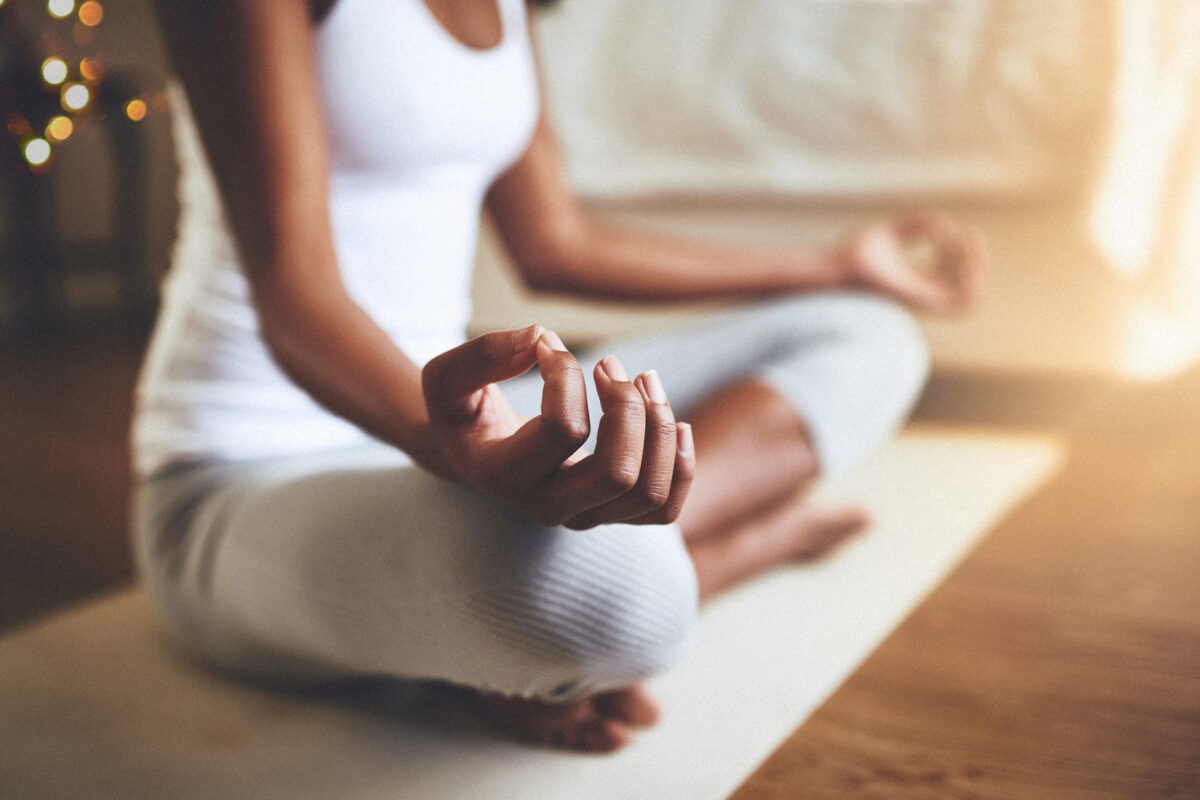
Achieving inner peace through meditation requires more than occasional practice; it demands consistency and commitment. Establishing a regular routine helps to reinforce meditation as a natural part of daily life, allowing the benefits to accumulate over time. Developing a sustainable practice involves creating habits, overcoming obstacles, and tracking progress to deepen the experience and maintain motivation.Consistency in meditation practice nurtures mental clarity, emotional resilience, and a steady sense of calm.
When meditation becomes an integral part of your routine, it becomes easier to access stillness amid daily stresses and disruptions. Establishing a disciplined yet flexible schedule ensures that meditation remains a priority and adapts to changing circumstances.
Creating a Simple Daily Schedule
Incorporating meditation into daily routines can be straightforward with a well-structured schedule. The key is to select times that are least likely to be interrupted and to allocate a dedicated space for practice. A consistent time, such as early morning or just before bedtime, helps solidify the habit. Begin with short sessions of 5 to 10 minutes, gradually increasing duration as comfort and familiarity grow.For example, a typical daily schedule might include:
- Waking up 15 minutes earlier for a morning meditation session, setting a peaceful tone for the day.
- Midday pause for a brief relaxation or breathing exercise to re-center amid work or daily tasks.
- Ending the day with a calming session before sleep to release tensions accumulated during the day.
Consistency in timing and environment enhances focus and reinforces the habit. Using reminders or alarms can help integrate meditation seamlessly into daily life.
Common Challenges and Strategies to Overcome Them
Practitioners often face obstacles when establishing a meditation routine. Recognizing these challenges and applying targeted strategies can significantly improve adherence and experience.Some common challenges include:
- Lack of time: Allocate brief sessions initially, emphasizing quality over duration, and gradually increase as time permits.
- Restlessness or wandering thoughts: Accept such thoughts as natural; gently guide focus back to the breath or chosen point of concentration without self-criticism.
- Inconsistency: Set fixed times and create a dedicated space to reinforce the habit; track progress to motivate ongoing commitment.
- Physical discomfort: Adjust seating or posture to ensure comfort; use cushions or chairs to support relaxed positioning.
- Lack of motivation: Remind oneself of personal goals and the benefits experienced, such as reduced stress and increased clarity, to sustain inspiration.
Implementing mindfulness during daily activities and maintaining patience are vital strategies to overcome these common hurdles.
Tracking Progress and Deepening Meditation Sessions
Monitoring your meditation journey helps to recognize growth, identify patterns, and maintain motivation. As practice deepens, individuals often notice increased tranquility, better focus, and heightened awareness.Methods to track and enhance progress include:
- Maintaining a meditation journal: Record session duration, feelings before and after, and observations. This reflective practice highlights progress and areas for improvement.
- Using guided meditation apps or timers: These tools often feature progress tracking, reminders, and variety in techniques that prevent stagnation.
- Gradually increasing duration: As comfort grows, extend meditation sessions by a few minutes, allowing deeper immersion and greater stillness.
- Introducing advanced techniques: Incorporate visualization, body scan, or loving-kindness practices to deepen meditation and expand awareness.
- Seeking feedback and community: Joining meditation groups or retreats can provide support, inspiration, and new perspectives for growth.
Regular reflection and a mindful approach to practice facilitate ongoing development, helping practitioners access progressively profound states of inner peace and stillness.
Deepening Stillness and Inner Calm
Advancing in meditation involves cultivating profound stillness and a deep sense of inner calm that persists beyond initial practices. This stage of meditation emphasizes techniques that deepen mental tranquility, enabling practitioners to access higher states of awareness and inner peace. Mastering these advanced practices can significantly enhance one’s overall well-being and capacity for sustained mindfulness in daily life.
Implementing advanced meditation methods requires a dedicated approach to refining focus, developing mental resilience, and integrating these practices seamlessly into everyday activities. Through disciplined effort and mindful application, individuals can unlock greater depths of inner serenity and stability.
Advanced Meditation Practices
Engaging in sophisticated meditation techniques expands the practitioner’s ability to transcend superficial mental chatter and achieve heightened states of stillness. Three prominent practices include body scan, mantra repetition, and silent retreat techniques, each contributing uniquely to cultivating inner tranquility.
-
Body Scan Meditation
This practice involves systematically directing attention to different parts of the body, observing sensations without judgment. Beginning from the toes and moving upward to the head, practitioners notice areas of tension or relaxation, fostering a deep physical and mental awareness that enhances relaxation and reduces stress. Routine body scans can be performed in a seated or lying position, ideally in a calm environment, and serve as a foundation for deeper meditative states.
-
Mantra Repetition
The repetition of a specific sound, word, or phrase—known as a mantra—serves as an anchor for the mind, helping to minimize distractions and deepen concentration. Common mantras include sacred sounds like “Om” or personalized affirmations. Repeating a mantra aloud or silently in the mind during meditation sessions can facilitate access to a state of mental quietude, promoting inner peace and emotional stability.
Consistent practice with a chosen mantra cultivates a sense of continuity and focus.
-
Silent Retreat Techniques
Participating in silent retreats involves extended periods of uninterrupted meditation, often in a retreat setting that emphasizes silence and solitude. These retreats foster an environment free from external chatter and distractions, allowing practitioners to observe their thoughts without interference. Techniques practiced during silent retreats include prolonged sitting meditation, walking meditation, and mindful observation of internal experiences. This immersive approach accelerates the development of deep inner calm and resilience.
Cultivating Sustained Focus and Mental Tranquility
Achieving lasting mental tranquility requires deliberate strategies that enhance focus and diminish mental agitation. These methods help maintain a state of calm throughout the day, even amidst external challenges. Consistent application of specific techniques ensures that tranquility becomes an integral part of one’s mental landscape.
-
Focused Attention Exercises
Practicing concentration on a single object or sensation—such as the breath, a visual object, or a sound—strengthens the mind’s ability to sustain attention. Regularly engaging in such exercises, even for short durations, enhances the capacity for continuous focus and reduces the likelihood of distraction. Over time, this cultivates a mental environment conducive to tranquility and clarity.
-
Breathing Techniques for Calmness
Deep, diaphragmatic breathing exercises, such as diaphragmatic breathing or box breathing, activate the parasympathetic nervous system, promoting relaxation and mental steadiness. Incorporating these practices during meditation or throughout the day can serve as quick resets to restore calmness when faced with stress or agitation.
-
Mindful Engagement in Daily Tasks
Integrating mindfulness into routine activities—such as eating, walking, or working—ensures that inner calm extends into everyday life. By consciously focusing on the present moment and bodily sensations during these activities, practitioners reinforce their capacity for sustained focus, reduce mental clutter, and deepen overall inner peace.
Integrating Meditation into Daily Activities
Seamlessly incorporating meditation techniques into daily life transforms moments of formal practice into ongoing opportunities for inner peace. This integration allows the practitioner to maintain a state of mindfulness and tranquility across various settings, reinforcing the benefits of meditation beyond dedicated sessions.
-
Mindful Movement
Practicing mindfulness during activities such as walking, stretching, or even household chores can serve as informal meditation sessions. Focusing on bodily sensations, breath, and surroundings during movement enhances awareness and cultivates calmness throughout the day.
-
Moment-to-Moment Awareness
Paying close attention to everyday experiences—such as sipping tea, listening to sounds, or feeling textures—helps sustain a meditative mindset. This ongoing awareness minimizes reactive tendencies and nurtures a persistent sense of inner tranquility.
-
Breath Awareness in Routine Tasks
Using conscious breathing techniques during routine activities, such as waiting in line or commuting, provides quick access to relaxation and mental clarity. This practice helps maintain a calm state amidst external stimuli and integrates meditation seamlessly into daily routines.
Overcoming Common Obstacles in Meditation
Meditation can sometimes present challenges that hinder progress or diminish the experience of inner calm. Recognizing these obstacles and implementing effective strategies can significantly improve the quality of your practice. Addressing issues such as a restless mind, physical discomfort, or external disturbances is essential for cultivating a consistent and fulfilling meditation routine. This section offers practical guidance to help you navigate and resolve common challenges encountered during meditation sessions.To deepen your meditation experience, it is important to understand the nature of these obstacles and develop tailored solutions.
With patience and persistence, practitioners can learn to transform difficulties into opportunities for growth and heightened awareness.
Managing a Restless or Distracted Mind
A frequently encountered challenge in meditation is an overactive or wandering mind, which can cause frustration and diminish focus. The following step-by-step approach can assist in gradually calming mental activity:
- Acknowledge the distraction: Recognize when your mind has drifted and gently note the distraction without judgment. For example, silently acknowledge, “Thought,” or “Wandered.”
- Refocus on the breath or chosen object: Redirect your attention back to your primary point of focus, such as the sensation of the breath entering and leaving the body.
- Use a mantra or visualization: Employ a calming word, phrase, or visualization to anchor your attention and facilitate mental stability.
- Practice patience and gentle persistence: Understand that a wandering mind is normal. With regular practice, mental clarity improves over time.
“The mind is like a restless monkey; patience and consistent practice are the keys to calming it.”
To accommodate persistent distractions, it may be helpful to incorporate techniques such as guided meditation or body scan practices, which involve focused attention on physical sensations, reducing the temptation for the mind to roam.
Alleviating Physical Discomfort
Physical discomfort, including stiffness, pain, or fatigue, can interrupt meditation sessions and discourage continued practice. Addressing this issue involves both preparatory steps and adaptive techniques:
Addressing physical discomfort requires ensuring comfort during meditation and adapting postures to your body’s needs. Proper positioning can significantly reduce strain and enhance concentration.
- Optimize your sitting posture: Sit on a supportive cushion or chair that maintains an upright yet relaxed spine. Use additional cushions or props to support the knees or lower back if needed.
- Warm-up and stretch: Gentle stretching before meditation can alleviate muscle tension, especially if you experience stiffness or soreness.
- Alternate postures: If seated meditation becomes uncomfortable, consider lying down, walking meditation, or practicing in a reclined position, ensuring it does not induce sleepiness.
- Manage environmental temperature: Ensure the ambient temperature is comfortable to prevent discomfort caused by cold or heat.
“Comfort in posture fosters ease of mind, enabling deeper access to inner stillness.”
For persistent physical issues, consult with a healthcare professional or meditation instructor to develop personalized modifications that accommodate specific health conditions.
Handling External Disturbances
External disturbances such as noise, interruptions, or environmental distractions can compromise meditation focus. Managing these disturbances involves creating a conducive environment and employing specific techniques:
- Establish a dedicated meditation space: Choose a quiet, consistent location where external interruptions are minimized. Use signs or signals to indicate your meditation period to others.
- Use auditory aids: Employ white noise machines, calming music, or nature sounds to mask disruptive noise and foster a tranquil atmosphere.
- Implement boundary-setting practices: Communicate your meditation schedule clearly with family or colleagues to reduce interruptions.
- Practice acceptance and adaptability: Occasionally, external disturbances are unavoidable. In such cases, practice observing the disturbance without judgment, and gently return your focus when possible.
“Acceptance of external disturbances cultivates resilience and patience, key qualities in meditation.”
When persistent disturbances cannot be eliminated, consider shorter meditation sessions or adjusting your practice time to moments when external noise is less prevalent, such as early mornings or late evenings.
Visualization and Imagery for Inner Peace
Visualization and mental imagery are powerful tools that can deepen meditation by helping individuals evoke a sense of serenity and inner calm. When employed effectively, these techniques facilitate a shift in focus from mental chatter to peaceful, calming scenes that foster relaxation and stillness. Such practices can be tailored to personal preferences, making meditation sessions more engaging and impactful.
Creating vivid mental images activates the mind’s natural capacity for relaxation, enabling practitioners to access a state of inner peace more readily. Combining visualization with controlled breathing enhances this effect, anchoring the mind and body in a harmonious experience that promotes profound stillness and tranquility.
Techniques for Creating Calming Mental Images and Scenes
Developing calming mental images involves utilizing sensory-rich descriptions that evoke peaceful environments. The key is to engage as many senses as possible to make the scene more immersive and realistic, thereby increasing its calming effect. Techniques include:
- Engaging the senses: Visualize a serene landscape such as a quiet beach, a lush forest, or a tranquil mountain lake. Imagine the colors, textures, and movements—waves gently lapping, leaves rustling, or water shimmering in the sunlight.
- Incorporating sounds: Add auditory elements like the gentle crash of waves, birdsong, or a soft breeze to deepen immersion.
- Using scents and tactile sensations: Envision the scent of salt air, fresh pine, or blooming flowers, and feel the tactile sensations—warm sun on the skin, soft grass beneath the feet, or cool water on the fingertips.
Practicing these visualization techniques regularly helps train the mind to quickly access a state of calmness during meditation.
Developing Personalized Visualizations That Evoke Serenity
Personalization enhances the effectiveness of visualization by aligning scenes with individual preferences and memories, making the experience more meaningful and easier to access. To develop personalized visualizations:
- Identify meaningful symbols or environments: Reflect on places, objects, or scenarios that evoke feelings of safety, joy, or calmness. It could be a childhood memory, a favorite natural spot, or a symbolic object like a lotus flower or a gentle stream.
- Construct detailed mental narratives: Build vivid stories around these symbols, focusing on sensory details and emotional responses that activate relaxation pathways within the brain.
- Incorporate positive affirmations: Integrate calming phrases or affirmations into the visualization, such as “I am at peace,” or “Serenity surrounds me,” to reinforce inner calm.
Visualization is most effective when practiced consistently, allowing the mind to associate specific scenes with tranquility, making it easier to access these states during meditation or stressful moments.
Combining Visualization with Breathing for Enhanced Stillness
Integrating visualization with breath control creates a powerful synergy that amplifies relaxation and stillness. This combination anchors the mind to both a calming scene and the rhythm of the breath, guiding the practitioner into deeper states of serenity. Recommended approaches include:
- Breathing synchronized with visualization: Inhale slowly as you imagine the scene coming into focus, filling your lungs with calm energy. Exhale gradually, releasing tension and visualizing stress leaving your body.
- Counting breaths while visualizing: Use a counting technique—inhale for a count of four, hold briefly, then exhale for a count of four—while maintaining a mental image of a peaceful setting. This rhythmic process enhances concentration and inner stillness.
- Progressive relaxation with imagery: As you breathe deeply, gradually visualize tension dissolving from different parts of your body, starting from the toes and moving upward, each step accompanied by a serene scene that promotes release and calmness.
Consistent practice of this combined technique can significantly deepen one’s meditation experience, fostering sustained inner peace and an enduring sense of stillness.
Incorporating Meditation into Daily Life
Integrating meditation into everyday routines can significantly enhance overall well-being, foster resilience, and deepen your inner sense of peace. When meditation becomes a habitual part of your daily schedule, it transforms from a practice confined to specific moments into a continuous source of calmness and clarity throughout the day.
By adopting simple yet intentional methods to incorporate mindfulness and meditation into work and daily activities, you create opportunities to reconnect with your inner calm despite external distractions. Strategic planning for morning and evening rituals ensures that meditation is not overlooked and becomes an accessible, consistent habit that supports your mental and emotional health.
Mindful Pauses During Work and Daily Routines
Throughout the day, taking deliberate pauses to practice mindfulness can dramatically reduce stress and increase focus. These pauses serve as mental resets, allowing you to approach tasks with renewed clarity and calmness. Engaging in brief moments of meditation or mindful breathing during busy schedules helps cultivate sustained inner peace.
- Scheduled Breaks: Set reminders to pause for 1-3 minutes of mindful breathing, focusing solely on your breath or bodily sensations. This can be during coffee breaks, after completing a task, or upon entering a new environment.
- Transition Rituals: Use transitions between tasks or meetings as opportunities for quick mindfulness exercises, such as close your eyes briefly, breathe deeply, and release tension.
- Mindful Walking: Incorporate short walking meditations during errands or between meetings, paying close attention to the sensation of your feet on the ground and your surroundings.
These methods foster a habit of continuous mindfulness, helping you maintain inner peace amidst daily responsibilities and external pressures.
Organizing a Meditation Plan for Morning and Evening Rituals
Establishing a structured routine around meditation enhances consistency and allows for gradual deepening of your practice. Mornings and evenings are ideal times to dedicate moments for mindfulness, setting a tone for the day or unwinding for restful sleep.
- Morning Ritual: Begin with a 5-10 minute meditation focused on cultivating gratitude, setting intentions, or simply centering yourself. This can include breath awareness, body scans, or visualization techniques to prepare mentally and emotionally for the day ahead.
- Evening Ritual: Allocate 10-15 minutes before sleep for calming meditation, aiming to release accumulated stress and promote restful sleep. Techniques may involve progressive muscle relaxation, guided imagery, or mindfulness meditation focused on accepting and releasing daily concerns.
Consistency in these rituals reinforces the habit, making meditation a natural part of your daily rhythm and facilitating ongoing inner peace and emotional resilience.
Responsive Table for Daily Activities, Meditation Techniques, and Benefits
Below is a table designed to help organize your daily schedule with appropriate meditation techniques tailored to different activities, along with the expected benefits of each practice.
| Activity | Recommended Meditation Technique | Expected Benefits |
|---|---|---|
| Starting the Day | Morning mindfulness meditation focusing on gratitude and intention setting | Enhanced positivity, clarity of purpose, and emotional resilience |
| Mid-Morning Break | Brief breathing exercises or body scan meditation | Reduced stress, improved concentration, and renewed energy |
| During Work Tasks | Mindful awareness of movements and sensations, such as mindful listening or focused breathing | Increased focus, decreased anxiety, and better task performance |
| Lunch Hour | Guided visualization or loving-kindness meditation | Boosted mood, increased compassion, and emotional balance |
| Evening Relaxation | Progressive muscle relaxation or guided imagery | Reduced tension, improved sleep quality, and emotional release |
| Pre-Bedtime | Deep breathing or body scan meditation | Facilitates deep sleep, calms the nervous system, and promotes inner calm |
Implementing these routines and techniques into your daily life can significantly elevate your sense of inner peace, making meditation an integral and enriching part of your overall lifestyle.
Using Breath as a Gateway to Inner Peace
Harnessing the power of the breath is a fundamental aspect of meditation that can profoundly influence inner calm and mental clarity. By intentionally focusing on breathing, practitioners can access a deeper state of stillness and presence, regardless of external circumstances. Breath awareness serves as a bridge between the mind and body, anchoring us in the present moment and facilitating a sense of tranquility that extends beyond formal meditation sessions.
Mastering various breathing techniques enables individuals to cultivate a sustained sense of inner peace throughout their daily lives. These practices can help reduce stress, enhance concentration, and promote emotional stability. Incorporating breath-focused exercises into daily routines encourages ongoing connection with inner calmness, even amidst busy or challenging environments.
Diaphragmatic Breathing
Diaphragmatic, or belly breathing, is a deeply effective technique that involves engaging the diaphragm to promote full oxygen exchange. This method encourages slow, deep breaths that activate the parasympathetic nervous system, which is responsible for relaxation.
- Sit or lie down in a comfortable position with your shoulders relaxed.
- Place one hand on your chest and the other on your abdomen.
- Inhale slowly through your nose, guiding the air deep into your belly so that it expands outward, while your chest remains relatively still.
- Exhale gently through pursed lips or nose, allowing the abdomen to soften and release tension.
- Repeat this process for 5 to 10 minutes, maintaining awareness of the breath’s depth and rhythm.
Box Breathing
Box breathing, also known as square breathing, is a technique that involves equal dimensions of inhalation, hold, exhalation, and pause. It is widely used by athletes, military personnel, and meditation practitioners to foster calmness and mental clarity. This method emphasizes rhythmic breathing patterns that promote mindfulness and emotional regulation.
- Begin by exhaling completely to prepare for a new breath cycle.
- Inhale slowly through the nose for a count of four seconds, filling the lungs entirely.
- Hold the breath in for a count of four seconds, maintaining awareness of the sensations within the body.
- Exhale smoothly through the mouth or nose for four seconds, releasing tension.
- Hold the exhale for another four seconds before repeating the cycle.
- Practice this pattern for several minutes, progressively increasing duration as comfort allows.
Alternate Nostril Breathing
Alternate nostril breathing, or Nadi Shodhana, balances the nervous system and harmonizes the flow of energy channels within the body. This technique is particularly effective in calming the mind, reducing anxiety, and fostering a state of inner stillness.
- Sit in a comfortable, upright position with the spine straight.
- Use the right thumb to gently close the right nostril.
- Inhale slowly through the left nostril, feeling the air enter and expand the left side of the body.
- Close the left nostril with the right ring finger or pinky, then release the right nostril and exhale through the right side.
- Inhale through the right nostril, then close it and exhale through the left nostril, completing one cycle.
- Repeat this alternating pattern for 5 to 10 minutes, maintaining a smooth, mindful flow.
Breath Awareness Exercises for Sustaining Inner Stillness
Consistent practice of breath awareness exercises helps sustain a state of inner calm throughout the day. These exercises encourage anchoring attention to the breath during routine activities, fostering continuous mindfulness and emotional resilience.
Examples include:
- Mindful Breathing Breaks: Pause periodically during the day to take three to five deep diaphragmatic breaths, paying close attention to the sensation of air entering and leaving the body. This quick reset can alleviate stress and refocus attention.
- 3-2-1 Breathing: Inhale quietly for three seconds, hold the breath for two seconds, and exhale slowly for four seconds. Repeat several times to cultivate a calm, centered mindset.
- Breath-Counting Technique: Count each inhale and exhale cycle up to ten, then start over. This practice enhances concentration and anchors awareness in the present moment.
Integrating these breath-focused exercises into daily routines helps create a continuous thread of inner peace, promoting mental clarity, emotional stability, and a resilient sense of stillness regardless of external circumstances.
Enhancing Meditation with Gentle Movements
Integrating gentle movements such as yoga, stretching, and mindful motion into your meditation routine can significantly deepen your sense of inner tranquility and bodily awareness. These practices serve to prepare the body and mind, releasing tension and fostering a state of receptivity conducive to meditation. When movements are performed with mindfulness and aligned with your breath, they can elevate your meditation experience from mere stillness to a harmonious union of body and mind.
Incorporating gentle physical movements before or after sitting meditation not only enhances physical flexibility but also cultivates a heightened sense of presence. This holistic approach nurtures emotional stability and mental clarity, reinforcing your journey toward inner peace and stillness.
Step-by-Step Guide for Incorporating Gentle Postures
To effectively integrate gentle movements into your meditation practice, follow this structured approach that emphasizes mindfulness and synchronization with breath:
- Begin with Preparatory Postures: Find a quiet space where you can comfortably stand or sit. Initiate with gentle stretching or yoga poses such as Cat-Cow, Child’s Pose, or gentle spinal twists. Focus on slow, deliberate movements, paying attention to how your body feels in each posture.
- Engage in Breath-Linked Movement: Coordinate each movement with your inhalation and exhalation. For example, during a gentle forward bend, breathe in as you lengthen your spine and breathe out as you deepen into the stretch. This synchronization deepens relaxation and heightens body awareness.
- Hold Postures Mindfully: Maintain each pose for several breaths, allowing your body to settle into the stretch or movement. Observe sensations without judgment, cultivating a sense of calm and presence.
- Transition Smoothly to Sitting Meditation: After completing the movements, settle into your seated posture for meditation. Take a moment to observe how your body feels after movement, anchoring your awareness in the present moment.
- Post-Meditation Gentle Movements: For those who prefer to end their seated practice with movement, perform light stretches or rolling motions of the shoulders, neck, and wrists to release any residual tension and facilitate a smooth transition back into daily activities.
Methods for Synchronizing Movement with Breath
Aligning your movements with your breathing pattern enhances the meditative quality of physical activity, fostering a profound sense of tranquility and centeredness. The following methods can help deepen this synchronization:
Mindful Breath-Movement Integration: Focus your awareness on the breath as you initiate each movement. For example, inhale slowly as you lift your arms overhead or lengthen your spine, and exhale as you fold forward or release tension. Maintaining this rhythm creates a meditative flow that quiets mental chatter.
Counting Breath and Movement Cycles: Count your inhales and exhales to establish a steady pace. Synchronize each movement with a specific count, such as inhaling for four counts and exhaling for four counts. This practice enhances concentration and anchors your awareness in the present moment.
Progressive Slow Movements: Gradually slow down your movements to match your deepening breath. As your breath lengthens and slows, your movements become more deliberate, increasing their calming effect and promoting inner stillness.
By consciously integrating gentle movements with mindful breathing, practitioners can elevate their meditation experience, achieve deeper relaxation, and reinforce an ongoing sense of inner peace throughout daily life.
Final Wrap-Up
Embarking on the path of meditation empowers you to access a state of profound inner calm and clarity. Consistency, patience, and the willingness to adapt your practice are key to experiencing lasting benefits. As you incorporate these techniques into your daily routine, you will find yourself increasingly able to sustain inner peace amidst life’s inevitable challenges, fostering a more balanced and centered existence.