Discover effective meditation techniques designed to enhance your confidence and foster a stronger sense of self-worth. Incorporating meditation into your daily routine can profoundly influence your mindset, emotional resilience, and overall self-perception. By engaging in mindful practices, you can develop a more positive outlook and strengthen your inner self, paving the way for continuous personal growth.
Introduction to Meditation for Building Confidence and Self-Worth
Meditation has emerged as a powerful technique for fostering inner strength, promoting self-awareness, and cultivating a positive self-image. When integrated into daily life, it can significantly enhance one’s confidence and sense of self-worth, acting as a foundational practice for personal growth and emotional resilience. By dedicating time to mindful reflection, individuals can develop a more compassionate relationship with themselves, which translates into greater self-esteem and a more assertive approach to life’s challenges.
Engaging in meditation allows individuals to influence their mindset profoundly, shifting from negative self-perceptions to more empowering beliefs. It encourages present-moment awareness, helping to diminish self-critical thoughts and fostering a kinder, more accepting attitude toward oneself. Over time, this consistent practice builds emotional resilience, enabling individuals to better navigate setbacks and uncertainties with calmness and confidence. The benefits of incorporating meditation into daily routines extend beyond mental clarity, impacting overall well-being and enabling a more authentic expression of self-worth and confidence.
Enhancement of Self-Esteem through Meditation
Regular meditation cultivates a deeper understanding of oneself, which is essential for building genuine self-esteem. Through mindfulness practices, individuals become more aware of their internal dialogue and can identify patterns of self-doubt or negative thinking. This awareness creates an opportunity to replace these thoughts with affirmations and positive perspectives, fostering a healthier self-image.
Research indicates that meditation can increase activity in brain regions associated with positive emotions, such as the prefrontal cortex, and reduce activity in areas linked to stress and anxiety, such as the amygdala. Consequently, practitioners often notice a decrease in self-criticism and an increase in self-compassion, both of which are critical for developing robust self-esteem.
Influence of Meditation on Mindset and Emotional Resilience
Meditation acts as a catalyst for transforming one’s mindset by fostering a growth-oriented outlook. It encourages embracing imperfections, accepting uncertainties, and developing patience—all vital qualities for resilience. Meditation also helps manage emotional reactivity, allowing individuals to respond thoughtfully rather than impulsively during stressful situations.
By consistently practicing mindfulness, individuals learn to observe their thoughts and feelings non-judgmentally, which enhances emotional regulation. This stability contributes to a resilient mindset where setbacks are viewed as opportunities for learning rather than failures. Over time, such resilience reinforces confidence, empowering individuals to pursue their goals with a more optimistic and steady approach.
Benefits of Integrating Meditation into Daily Self-Improvement Routines
Incorporating meditation into daily routines offers numerous benefits that support ongoing self-improvement efforts. These include increased mental clarity, reduced stress levels, improved focus, and a greater sense of calm—all factors that contribute to more effective goal setting and achievement.
Consistent meditation practice also cultivates discipline and commitment, reinforcing the habit of self-care and intentional living. As a result, individuals often experience heightened self-awareness, better emotional balance, and a stronger sense of agency. These qualities collectively enhance confidence and self-worth, enabling individuals to approach personal and professional challenges with greater assurance and resilience.
Preparing for Meditation Sessions
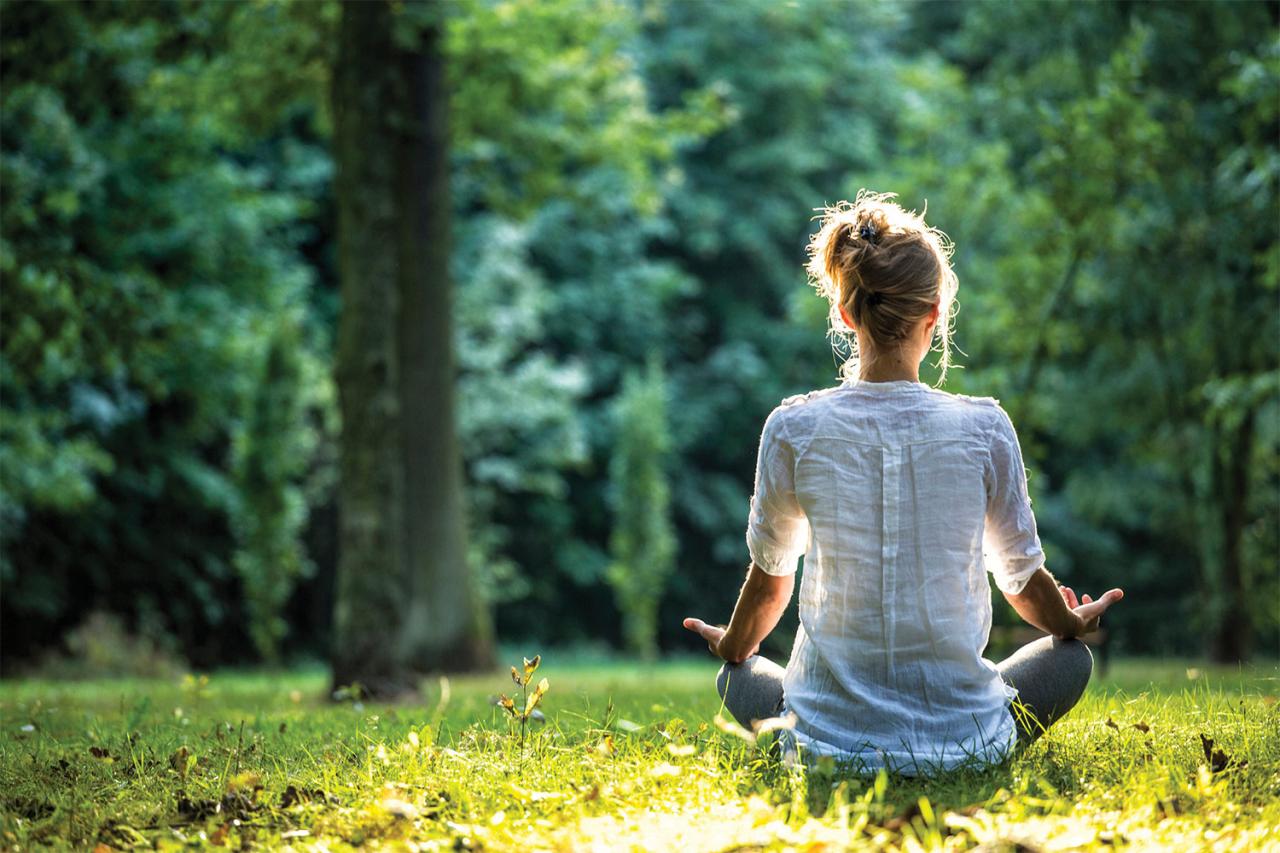
Engaging in meditation requires a mindful approach to preparing your environment and gathering the appropriate tools. A well-prepared setting enhances your focus, deepens your practice, and fosters a sense of calm and readiness. Proper preparation minimizes distractions and creates a sacred space where you can fully immerse yourself in your meditation routine, ultimately contributing to increased confidence and self-worth over time.A conducive meditation environment is characterized by tranquility, comfort, and minimal interruptions.
Creating such a space involves thoughtful consideration of surroundings, seating, and essential items. Developing a consistent pre-meditation routine can also signal to your mind that it is time to relax and focus, making each session more effective and rewarding.
Ideal Environment and Conditions
A serene, quiet space is fundamental for effective meditation practice. The environment should be free from noise disturbances, such as loud traffic, household chatter, or electronic notifications. If external sounds are unavoidable, consider using gentle background music or ambient sounds, like nature noises, to mask distractions. The lighting should be soft and calming—natural daylight or dimmable lamps create a welcoming atmosphere that promotes relaxation.
Maintaining a moderate room temperature, neither too hot nor too cold, helps keep the body comfortable and focused during meditation.Choosing a space with a clutter-free, calming aesthetic can also enhance mental clarity. Incorporate elements that evoke tranquility, such as plants, soft textiles, or soothing artwork. Establishing a dedicated meditation spot helps condition your mind to associate that area with mindfulness and self-reflection, making it easier to slip into a meditative state consistently.
Choosing Comfortable Seating and Minimizing Distractions
Comfortable seating is essential to sustain meditation without physical discomfort. Options include meditation cushions, supportive chairs, or simply a folded blanket on the floor. The key is to select a position that allows your back to be straight yet relaxed, enabling unobstructed breathing and alertness. Avoid hard or overly soft surfaces that can lead to discomfort or slouching, which may divert your attention during practice.To minimize distractions, ensure your meditation space is exclusive for that purpose, free from interruptions such as phones or household chores.
Silence the devices or switch them to airplane mode to prevent notifications from breaking your focus. Inform family members or colleagues of your meditation schedule to respect your practice time. Removing visual clutter and creating a tidy environment helps prevent unnecessary mental clutter, facilitating a more profound meditative experience.
Essential Items or Tools for Meditation Practice
Having the right items prepared before each session can enhance your comfort and focus, creating a seamless meditation experience.
Essential tools include items that support physical comfort, mental focus, and spiritual intention.
A comprehensive checklist includes:
- Seating support: cushions, chairs, or mats that provide stability and comfort.
- Lighting: soft, adjustable lamps or natural light sources.
- Climate control: a fan, heater, or blanket to maintain a pleasant temperature.
- Timer or meditation app: to track your session duration without checking clocks constantly.
- Altar or focal point: a small altar, candle, or meaningful object to anchor your meditation practice.
- Cleaning supplies: to keep your space tidy and inviting.
Additional tools may include calming essential oils or incense, which can help set the mood, or a journal for reflective thoughts post-meditation. Ensuring these items are readily available and in good condition prepares you mentally and physically for each session, fostering consistency and confidence in your practice.
Techniques for Meditation Focused on Self-Confidence
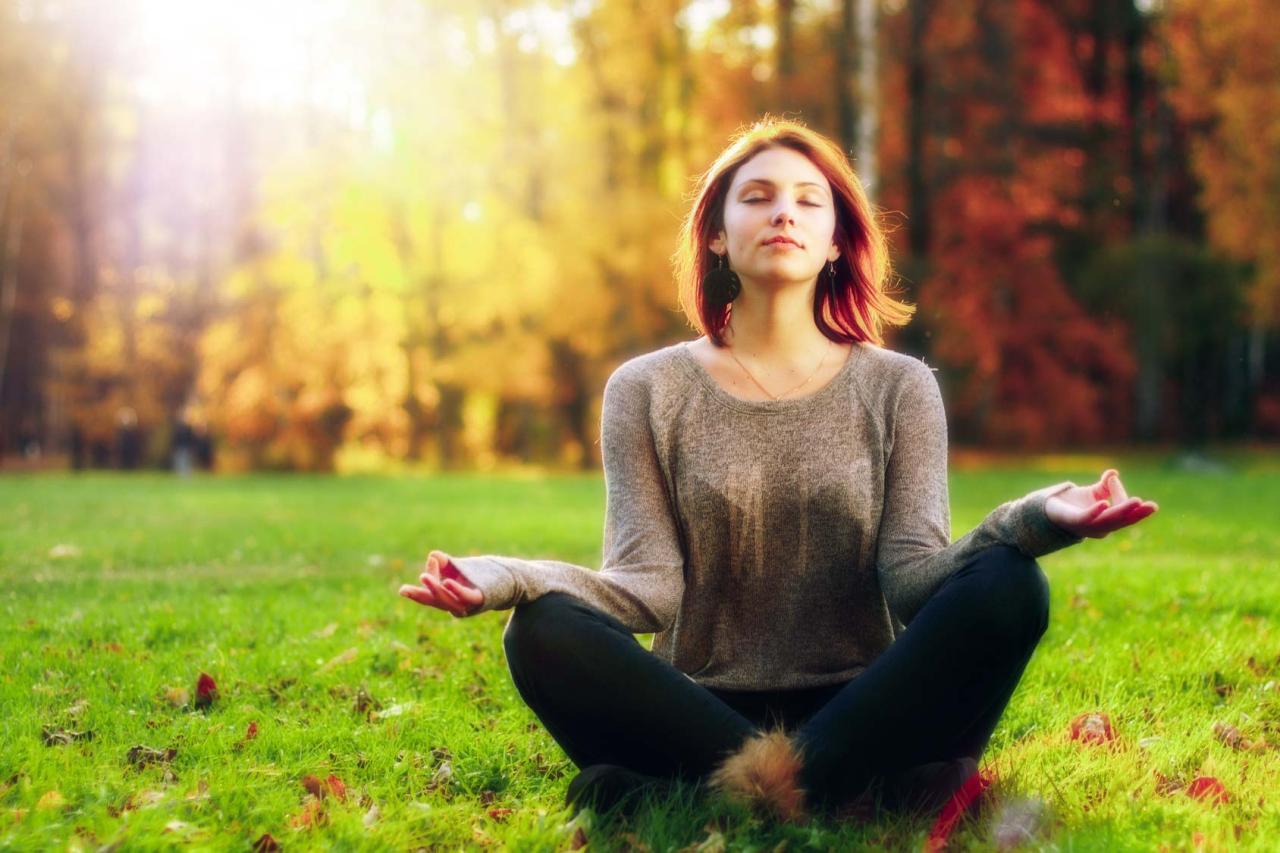
Building self-confidence and self-worth through meditation requires intentional focus and practice. Employing specific techniques that target positive self-perception can significantly enhance feelings of acceptance and inner strength. These methods help to reframe negative beliefs and foster a compassionate relationship with oneself.
In this section, we explore practical meditation techniques designed to cultivate self-confidence. From mindfulness practices to visualization exercises and affirmations, these strategies serve as powerful tools for reinforcing a positive self-image and nurturing a resilient sense of self-worth.
Mindfulness Meditation for Self-Acceptance
Mindfulness meditation centers on cultivating present-moment awareness with a non-judgmental attitude. When tailored for self-acceptance, it encourages individuals to observe their thoughts and feelings about themselves without criticism or avoidance.
- Find a comfortable seated position in a quiet space, ensuring your back is straight but relaxed. Close your eyes gently.
- Begin by taking slow, deep breaths—inhale through the nose, allowing your abdomen to rise, then exhale slowly through the mouth or nose.
- Bring your attention to your breath, noticing the sensation of the air entering and leaving your body. Let your mind settle into this rhythm.
- As thoughts about your self-worth arise, acknowledge them without judgment. Observe the feelings or judgments as passing phenomena.
- Gently redirect your focus back to your breathing whenever your mind wanders. Over time, this practice helps develop a kinder, more accepting attitude toward yourself.
Guided Visualization Exercise to Reinforce Self-Worth
Visualization exercises deepen the connection to positive self-perceptions by creating vivid mental images that evoke feelings of confidence and self-love. The following guided visualization aims to reinforce these feelings effectively.
- Sit or lie down in a comfortable position, closing your eyes softly. Take three deep breaths to center yourself.
- Imagine yourself standing in front of a mirror, observing your reflection. Notice the aspects of yourself that you appreciate and feel proud of.
- Visualize a warm, golden light emanating from within your chest, symbolizing your inherent worth and confidence. See this light expanding outward, enveloping your entire body.
- Picture yourself engaging in a situation where you feel utterly confident—perhaps speaking in front of an audience, receiving a compliment, or accomplishing a goal. Feel the positive emotions associated with this success.
- Allow the visualization to conclude with you feeling grounded, confident, and self-accepted. Take a few deep breaths before gradually bringing your awareness back to the present moment.
Series of Affirmations for Confidence Building
Incorporating affirmations during meditation sessions can serve as a direct reinforcement of positive beliefs about oneself. Repeating carefully crafted affirmations helps reprogram subconscious patterns and cultivates a resilient self-image.
“I am worthy of love and respect.”
“I believe in myself and my abilities.”
“Every day, I grow more confident and self-assured.”
“I accept myself unconditionally and embrace my uniqueness.”
“My self-worth is innate and unshakeable.”
During meditation, silently repeat these affirmations, focusing on the feelings they evoke. Visualize embodying these truths fully, allowing them to resonate deeply within your subconscious mind.
Comparison of Meditation Techniques for Confidence Building
html table
| Method | Duration | Benefits | Tips |
|---|---|---|---|
| Mindfulness Meditation | 10–20 minutes | Increases present-moment awareness; reduces self-criticism; promotes acceptance | Practice consistently; focus on non-judgmental observation of thoughts |
| Guided Visualization | 15–30 minutes | Enhances positive self-image; strengthens feelings of confidence; stimulates emotional responses | Use vivid imagery; incorporate sensory details for deeper impact |
| Affirmation Repetition | 5–10 minutes daily | Reprograms subconscious beliefs; reinforces self-worth; boosts confidence | Repeat affirmations slowly and with conviction; visualize embodying the statements |
Developing a Meditation Routine to Boost Self-Esteem
Creating a consistent meditation routine is essential for cultivating lasting self-esteem and self-worth. When meditation becomes a regular part of your daily life, it reinforces positive thought patterns, reduces self-doubt, and nurtures a resilient inner voice. Establishing such a routine requires intentional planning, discipline, and adaptation to your evolving needs. Over time, a well-structured practice can significantly enhance your confidence and overall self-perception.A dedicated routine helps in building habits that reinforce your confidence-building goals.
By incorporating meditation into your schedule, you can create a stable foundation for ongoing self-improvement. This consistency ensures that the benefits of meditation—such as increased mindfulness, emotional regulation, and self-compassion—become ingrained in your daily experience, leading to sustainable self-esteem growth.
Methods for Establishing a Consistent Meditation Schedule
To develop a sustainable meditation practice focused on self-esteem, it is crucial to set clear, achievable goals and create a routine aligned with your daily life. Start by selecting specific times of the day when you feel most receptive—early mornings or evenings are often effective. Consistency is key; choosing a fixed time helps reinforce the habit.* Begin with manageable durations, such as 5-10 minutes, and gradually increase as your comfort and commitment grow.
- Use reminders or alarms to signal your meditation time.
- Incorporate meditation into existing routines, such as after waking up or before bedtime, to enhance adherence.
- Create a dedicated, comfortable space to meditate, free from distractions, which encourages regular practice.
Procedures for Tracking Progress and Adjusting Techniques
Monitoring your progress allows for reflective adjustments that enhance the effectiveness of your meditation routine. Keeping a journal or using meditation apps can be valuable tools for tracking your experiences, feelings, and any shifts in self-esteem over time.* Record the frequency and duration of each session.
- Note any emotional or mental changes, such as increased confidence or reduced self-criticism.
- Reflect on the techniques that resonate most, such as visualization, affirmations, or mindful breathing.
- Periodically review your journal to identify patterns and inform necessary adjustments.
- As your confidence develops, experiment with longer sessions or introduce new techniques—such as loving-kindness meditation—to deepen your practice.
Incorporating Gratitude Practices into Meditation
Integrating gratitude exercises into your meditation sessions fosters positive self-perception and enhances overall well-being. Gratitude practices shift focus from perceived shortcomings to appreciating your strengths and achievements, thereby reinforcing self-worth.* Begin your meditation by silently listing things you are grateful for, especially qualities or actions related to yourself.
- Use visualizations to imagine yourself expressing gratitude towards your positive attributes, such as resilience or kindness.
- Incorporate affirmations that acknowledge your efforts and progress, like “I am deserving of love and respect.”
- End your session with a moment of genuine gratitude for the opportunity to nurture your self-esteem through meditation.
- Regularly including gratitude enhances feelings of self-acceptance and cultivates a compassionate inner dialogue.
Sample Meditation Plans for Building Confidence and Self-Worth
Structured plans provide a practical framework for integrating meditation into daily, weekly, and monthly routines, ensuring consistency and progression.
| Frequency | Duration | Description |
|---|---|---|
| Daily | 10 minutes | Focus on affirmations and visualization exercises. Begin with gratitude statements, then reinforce positive self-beliefs. Ideal for morning or evening routines to set the tone for the day or wind down with confidence. |
| Weekly | 30-40 minutes | Combine longer sessions of self-compassion meditation with journaling about progress. Include activities like loving-kindness meditation directed towards oneself and visualization of future successes. Conduct these sessions on weekends for deeper reflection. |
| Monthly | 1-2 hours | Participate in a comprehensive self-esteem review. Reflect on achievements, challenges, and growth. Incorporate advanced techniques such as guided imagery or external affirmations. Schedule a dedicated session to set new intentions and adjust your meditation strategy accordingly. |
Adopting a structured approach with clear schedules and progress tracking ensures that your meditation practice remains effective and motivating. As your confidence builds, you can tailor these plans to suit your evolving needs, maintaining a sustainable and enriching self-esteem journey.
Overcoming Challenges in Meditation for Confidence

Meditation for building confidence and self-worth can be highly effective when practiced consistently and with perseverance. However, practitioners often encounter obstacles that can impede progress and diminish motivation. Recognizing these common challenges and implementing practical strategies can significantly enhance the effectiveness of your meditation journey, helping to cultivate lasting self-esteem and inner strength.
Many individuals face hurdles such as distraction, impatience, or self-doubt during their meditation practice. These barriers are natural and part of the learning process. Addressing them with targeted techniques and a resilient mindset enables you to deepen your practice, develop greater focus, and sustain your commitment to building confidence through meditation.
Managing Distraction and Enhancing Focus
Distraction is one of the most prevalent challenges in meditation, especially when attempting to cultivate self-confidence amid a busy mind. External noises, wandering thoughts, or physical discomfort can divert attention away from your practice. To mitigate these issues, creating a dedicated, quiet space for meditation is essential. Using gentle background sounds or ambient noise can also help anchor your focus.
Practical troubleshooting includes adopting anchor points such as breath, mantra, or body sensations. When the mind drifts, gently bringing attention back to the chosen anchor without judgment nurtures patience and resilience. Establishing a consistent timing and routine further trains the mind to anticipate and settle into meditation, enhancing focus over time.
Addressing Impatience and Self-Doubt
Impatience and self-doubt often accompany meditation practices aimed at confidence building. These feelings may manifest as frustration with perceived slow progress or internal criticism questioning your efforts. Recognizing that change occurs gradually is vital. Progress in meditation is often subtle and cumulative, rather than immediate.
To counteract impatience, setting realistic expectations and celebrating small victories can be motivating. Incorporating affirmations that reinforce self-worth during meditation sessions also bolsters confidence and reduces self-doubt. Remember, persistence is key; developing patience with yourself encourages a more compassionate and effective practice.
Strategies to Maintain Motivation and Commitment
Maintaining motivation in meditation requires ongoing engagement and positive reinforcement. Regularly revisiting your intentions—such as strengthening self-esteem—serves as a reminder of your purpose. Tracking your progress through journaling or noting insights can foster a sense of achievement and commitment.
Joining meditation groups or support communities provides encouragement and accountability. Incorporating variety into your practice, such as guided meditations focused on confidence or mindfulness exercises, keeps the experience fresh and engaging. Lastly, practicing self-compassion during setbacks helps sustain your motivation and reinforces a nurturing attitude towards your self-improvement journey.
Motivational Tips and Quotes for Perseverance
Embedding inspiring quotes and practical tips into your routine can provide the encouragement needed to persevere through challenges:
-
“Every day is a new beginning. Take a deep breath, smile, and start again.”
-
“Progress, not perfection, is the goal.”
-
“Your present circumstances don’t determine where you can go; they merely determine where you start.”
- Remind yourself that consistency is more impactful than intensity. Even 5-10 minutes daily can lead to profound changes over time.
- Focus on the process, not just the outcomes. Meditation is about cultivating awareness and patience, which are essential for genuine self-confidence growth.
Enhancing Meditation with Complementary Activities
Engaging in complementary activities alongside meditation can significantly deepen the experience and reinforce the objectives of building confidence and self-worth. By integrating practices such as journaling, breathing exercises, and gentle movement, individuals can create a holistic approach that nurtures both the mind and body. These activities not only support the meditation process but also help solidify positive self-perceptions and foster emotional resilience over time.Combining meditation with other mindful practices can lead to more profound insights, greater relaxation, and a sustained sense of self-empowerment.
The key is to select activities that complement meditation without overwhelming the schedule, allowing for consistent and meaningful integration into daily routines.
Journaling to Reflect on Self-Worth
Journaling serves as a powerful tool to reinforce insights gained during meditation sessions. After practicing mindfulness or self-affirmation meditation, writing down thoughts, feelings, and affirmations can help clarify personal strengths and areas of growth. Regular journaling encourages self-awareness and provides a tangible record of progress, making positive shifts more noticeable and reinforcing confidence.To maximize its benefits, individuals can focus on prompts that highlight achievements, qualities they appreciate about themselves, or future goals related to self-esteem.
This reflective process not only consolidates the benefits of meditation but also nurtures a compassionate inner dialogue that sustains confidence over time.
Breathing Exercises for Deeper Relaxation
Incorporating specific breathing techniques into meditation sessions can significantly enhance relaxation and emotional stability. Practices such as diaphragmatic breathing, box breathing, or alternate nostril breathing help calm the nervous system, reduce stress, and promote mental clarity. These techniques deepen the meditative state, making it easier to access feelings of self-worth and confidence.Breathing exercises can be practiced before or after meditation, or even integrated within the session.
For example, a few minutes of slow, controlled breathing can prepare the mind for meditation or help transition out of it with a lingering sense of calmness and self-assurance.
Gentle Movement and Yoga as Complementary Practices
Gentle movement and yoga offer physical outlets that complement meditation by releasing tension and improving body awareness. Practices such as restorative yoga, tai chi, or simple stretching routines can create a more grounded and embodied meditation experience. Moving mindfully allows individuals to connect more deeply with their bodies, fostering a sense of stability and confidence.Engaging in gentle movement before meditation can prepare the body to relax more fully, while post-meditation movement can help integrate feelings of self-worth into physical awareness.
This synergy between movement and meditation contributes to a comprehensive approach to building self-esteem through embodied mindfulness.
| Activity | Purpose | Recommended Duration |
|---|---|---|
| Journaling | Reflect on self-worth, process insights, reinforce positive affirmations | 10-15 minutes after meditation |
| Breathing Exercises | Deepen relaxation, stabilize emotions, enhance meditative state | 5-10 minutes, before or after meditation |
| Gentle Movement/Yoga | Release tension, improve body awareness, reinforce confidence in physical form | 15-20 minutes before or after meditation |
Measuring Progress in Confidence and Self-Worth
Tracking one’s growth in confidence and self-worth is essential to understanding the effectiveness of meditation practices and making necessary adjustments. Establishing clear, measurable indicators helps individuals recognize their achievements and stay motivated on their journey toward greater self-assurance.
This section provides practical methods to set realistic goals, assess personal progress, and identify subtle shifts in self-perception over time. Implementing these strategies ensures a mindful approach to cultivating lasting confidence through meditation.
Setting Realistic Goals for Confidence Levels
Effective measurement starts with the establishment of attainable, specific goals that reflect individual starting points and desired outcomes. Goals should be framed positively, focusing on growth rather than perfection, to foster motivation and resilience.
When setting these objectives, consider using the SMART criteria—making goals Specific, Measurable, Achievable, Relevant, and Time-bound. For example, a goal might be to confidently introduce oneself in social settings within a month, or to reduce negative self-talk by practicing daily affirmations during meditation sessions. These goals serve as benchmarks for progress and help maintain a focused, realistic outlook.
Guidelines for Self-Assessment and Reflection
Periodic self-assessment is vital for understanding how meditation influences confidence and self-worth. Reflection sessions can be scheduled weekly or bi-weekly, providing structured opportunities to evaluate emotional and mental shifts.
During these assessments, consider journaling about recent experiences, noting changes in self-esteem, social interactions, and inner dialogue. Pay attention to moments where feelings of self-doubt diminish or where positive affirmations feel more genuine. Use guided prompts such as:
“In what situations did I feel more confident today?”
“What negative thoughts have I been able to challenge or replace?”
Maintaining a consistent reflection routine helps identify patterns, gauge progress, and adjust meditation practices accordingly.
Recognizing Subtle Changes in Self-Perception Over Time
Progress in building confidence through meditation often manifests gradually, requiring attentive observation to detect subtle yet meaningful shifts. These may include increased ease in social situations, reduced internal critic voices, or a more compassionate attitude towards oneself.
Noticing these small changes involves mindfulness and honest self-awareness. For example, a person may realize they no longer feel as anxious before speaking in meetings or notice a decrease in self-critical thoughts when facing challenges. Keeping a journal or tracking emotional responses after meditation sessions can help highlight these nuanced improvements over weeks or months.
Practicing patience and maintaining a compassionate attitude towards oneself are crucial, as genuine confidence develops steadily through consistent effort.
Sample Progress Tracking Chart
To systematically monitor growth, a visual tracking tool can be highly effective. Below is a sample chart illustrating key indicators of confidence and self-worth, which can be customized according to individual goals and experiences.
| Date | Meditation Session Focus | Self-Assessment of Confidence (1-10) | Notable Emotional/Behavioral Shift | Comments or Observations |
|---|---|---|---|---|
| 2024-10-01 | Affirmations for Self-Esteem | 5 | Felt more at ease during a social gathering | Noticed a decrease in self-critical thoughts |
| 2024-10-08 | Visualization for Confidence | 6 | Spontaneously shared ideas in team meeting | More positive self-talk following meditation |
| 2024-10-15 | Body Scan for Self-Acceptance | 7 | Improved posture and eye contact during interactions | Feeling more self-assured in daily activities |
| 2024-10-22 | Gratitude Meditation | 8 | Reduced fear of judgment in social settings | Consistent positive feedback from peers |
Regularly updating and reviewing this chart encourages a mindful approach to personal development, providing tangible evidence of growth and areas needing attention. Over time, this structured reflection can significantly enhance the confidence-building process initiated through meditation.
Closing Summary
In conclusion, consistent meditation focused on confidence and self-worth offers a transformative journey toward a more self-assured and resilient you. Through proper preparation, dedicated practice, and overcoming common challenges, you can experience meaningful improvements in how you perceive yourself. Embrace these practices to unlock lasting confidence and a healthier self-esteem that supports your personal and professional life.