Embarking on a spiritual awakening can be a transformative journey, and meditation serves as a powerful tool to support this process. By cultivating inner awareness and fostering a deeper connection with your higher self, you open pathways to profound insights and personal growth. Understanding the foundational principles of meditation and integrating practical techniques can significantly enhance your spiritual development, offering clarity and tranquility amidst life’s challenges.
This comprehensive guide explores various meditation practices, preparation tips, and strategies to overcome common obstacles. Whether you are new to meditation or seeking to deepen your existing practice, these insights will help you nurture your spiritual awakening and incorporate mindfulness into your daily routine effectively.
Understanding the Foundations of Meditation for Spiritual Awakening

Meditation serves as a vital practice on the journey toward spiritual awakening, providing a structured pathway to inner clarity, heightened consciousness, and self-awareness. Grasping the core principles of meditation is essential for cultivating a sustainable and meaningful spiritual practice. These foundational elements create a supportive framework that facilitates deep personal transformation and a profound connection with one’s spiritual essence.
By understanding the fundamental principles of meditation, individuals can navigate various practices with intention and clarity, aligning their efforts with their spiritual goals. Recognizing the intrinsic relationship between meditation and awakening enables practitioners to integrate these practices into their daily lives, fostering continuous growth and enlightenment. Exploring different traditional methods broadens the perspective, offering diverse tools and approaches tailored to individual inclinations and cultural backgrounds.
Core Principles of Meditation Supporting Spiritual Growth
Effective meditation practices for spiritual awakening are rooted in several core principles that enhance inner development and foster a deeper connection to the self and the universe. These principles serve as the foundation for cultivating a consistent meditation routine and achieving meaningful insights.
- Mindfulness and Presence: Cultivating awareness of the present moment allows practitioners to observe their thoughts, emotions, and sensations without attachment or judgment. This heightened state of presence is fundamental in transcending ego-based perceptions and accessing higher consciousness.
- Focused Attention: Concentrating on a specific object, mantra, or breath helps anchor the mind, reducing distractions and fostering mental clarity. This focused attention paves the way for deeper states of meditation conducive to spiritual insight.
- Non-attachment and Acceptance: Embracing all experiences during meditation with openness and without resistance encourages emotional equanimity. This principle nurtures a sense of inner peace essential for spiritual awakening.
- Consistent Practice: Regular meditation cultivates discipline and deepens the practitioner’s connection to their spiritual path. Consistency ensures gradual progress and integration of insights gained during meditation sessions.
- Intention and Purpose: Setting a clear intention aligns meditation practices with specific spiritual objectives, whether it is self-realization, compassion, or enlightenment. Purpose-driven practice enhances motivation and focus.
Relationship Between Meditation and Spiritual Awakening
Meditation acts as a bridge connecting the individual’s everyday consciousness with higher states of awareness, facilitating a transformative process known as spiritual awakening. This awakening involves a shift from identification with the ego and material concerns to a recognition of one’s true nature as interconnected with the universe.
Through sustained meditation, practitioners can access deeper layers of consciousness, unfold latent spiritual qualities, and dissolve mental barriers that impede spiritual growth. Meditation creates a space for introspection, insight, and the dissolution of illusions that obscure spiritual truth. Over time, consistent practice fosters a profound realization that transcends intellectual understanding, leading to a direct experiential awareness of spiritual realities.
Overview of Different Meditation Traditions Beneficial for Awakening
Various meditation traditions offer unique approaches and techniques that support spiritual awakening. Understanding these diverse methods allows practitioners to identify practices that resonate with their spiritual inclinations and cultural backgrounds, enriching their journey.
| Tradition | Core Focus | Unique Features |
|---|---|---|
| Zen Meditation (Zazen) | Mindfulness and seated meditation | Emphasizes posture, breath awareness, and observing thoughts without attachment; encourages direct experience of consciousness |
| Vipassana | Insight meditation | Focuses on deep observation of bodily sensations, thoughts, and emotions to gain insight into the nature of reality |
| Transcendental Meditation | Mantra-based meditation | Uses specific mantras to transcend ordinary thought and access pure consciousness; promotes mental silence and inner peace |
| Kundalini Yoga | Chakra awakening and energy movement | Combines breathwork, mantra, and physical postures to awaken dormant spiritual energy (Kundalini) and facilitate awakening |
| Mindfulness Meditation (Buddhist) | Present-moment awareness | Develops non-judgmental awareness of thoughts, feelings, and surroundings; cultivates compassion and insight |
“Different traditions offer varied pathways, but all aim to cultivate awareness, compassion, and insight essential for spiritual awakening.”
Preparing for Meditation Practice to Enhance Spiritual Connection
Establishing a conducive environment and mental readiness are fundamental steps toward deepening your spiritual awakening through meditation. Proper preparation not only fosters tranquility but also amplifies your capacity to connect with higher consciousness. Creating a space that invites calmness and practicing techniques to calm the mind set the foundation for a meaningful and transformative meditation experience.
By intentionally preparing your surroundings and mental state, you cultivate a sacred space personally aligned with your spiritual goals. This preparation minimizes distractions, enhances focus, and facilitates a smoother transition into a meditative state that nurtures your spiritual growth.
Creating a Peaceful Meditation Environment
To elevate your meditation practice, cultivating a dedicated space that embodies tranquility and serenity is essential. A peaceful environment reduces external stimuli and helps anchor your attention inward. Consider the following steps to design such a space:
- Choose a quiet location free from noise, interruptions, and distractions. This could be a corner in your home, a dedicated room, or even an outdoor area that feels safe and calm.
- Maintain a clutter-free zone. A tidy space promotes mental clarity and prevents the mind from becoming overwhelmed by visual chaos.
- Incorporate natural elements such as plants, stones, or water features to create a soothing atmosphere that connects you with nature’s energy.
- Adjust lighting to soft, natural, or dimmable sources to foster relaxation and reduce visual overstimulation.
- Use calming scents like lavender, sandalwood, or frankincense through candles or diffusers to promote a peaceful mood.
Techniques for Calming the Mind Before Meditation
Preparing your mind is crucial for effective meditation and spiritual connection. Techniques that calm mental chatter help you transition smoothly into a focused and receptive state:
- Deep Breathing Exercises: Engage in slow, diaphragmatic breathing, inhaling deeply through the nose, holding for a few seconds, then exhaling slowly through the mouth. This practice reduces stress hormones and invites relaxation.
- Progressive Muscle Relaxation: Systematically tense and then release muscle groups from head to toe to alleviate physical tension, which often accompanies mental unrest.
- Mindful Observation: Focus on your breath, sensations, or sounds around you without judgment, anchoring attention to the present moment and diminishing racing thoughts.
- Visualization: Picture a calming scene, such as a peaceful lake or a lush forest, to evoke feelings of serenity and detach from mental clutter.
- Setting an Intention: Before beginning, silently affirm a positive intention or affirmation, such as “I am open to spiritual growth,” which centers your focus and aligns your mindset.
Essential Tools and Items for a Dedicated Meditation Space
Having the right tools enhances your meditation routine by creating a consistent, supportive environment. The following checklist includes items that can transform any corner into a sacred meditation sanctuary:
| Item | Description and Purpose |
|---|---|
| Comfortable Seating or Cushion | A meditation cushion (zafu) or a sturdy chair that allows you to sit upright with ease, promoting proper posture and comfort during longer sessions. |
| Lighting | Soft, adjustable lighting such as lamps or candles to create a calming ambiance conducive to relaxation. |
| Scent Diffuser or Candles | Natural aromas like lavender or sandalwood to enhance the sensory environment, fostering tranquility. |
| Blanket or Shawl | To keep warm and comfortable, especially in cooler environments, supporting physical relaxation. |
| Timer or Bell | A gentle timer or meditation bell helps mark the beginning and end of your session without disrupting the flow. |
| Spiritual Symbols or Items | Objects such as crystals, statues, or sacred texts that resonate with your spiritual practice and serve as focal points. |
| Soundscape Devices | Nature sounds, calming music, or guided meditation recordings to aid concentration and deepen your practice. |
Creating an intentional space and calming your mind are vital steps toward cultivating a profound spiritual connection through meditation. These preparations serve as gateways to inner peace and higher awareness, enriching your spiritual journey with each practice session.
Techniques and Methods to Support Spiritual Awakening through Meditation
Engaging with various meditation techniques can significantly enhance the process of spiritual awakening. Each method offers unique pathways to deepen self-awareness, foster compassion, and align with higher consciousness. By exploring diverse practices, individuals can discover the approaches that resonate most profoundly with their spiritual journey, thereby creating a more holistic and transformative experience.Meditation techniques tailored for spiritual awakening encompass a broad spectrum, from mindfulness and loving-kindness to chakra-focused practices.
Employing these methods allows practitioners to target specific aspects of their spiritual development, cultivate inner peace, and unlock higher states of consciousness. Complementing these practices with structured breathing exercises further amplifies their effectiveness, enabling deeper connection and heightened spiritual awareness.
Various Meditation Methods Supporting Spiritual Awakening
The following meditation techniques are widely recognized for their capacity to foster spiritual growth and awakening. Understanding their core principles helps practitioners integrate them effectively into their routines.
- Mindfulness Meditation: Rooted in present-moment awareness, this practice involves observing thoughts, sensations, and emotions without judgment. It cultivates clarity, reduces mental clutter, and enhances self-understanding, serving as a foundation for spiritual awakening.
- Loving-kindness Meditation (Metta): Focused on cultivating unconditional compassion and goodwill towards oneself and others. This method nurtures emotional healing, opens the heart, and promotes interconnectedness, essential elements of spiritual development.
- Chakra Meditation: Concentrates on balancing and activating the body’s energy centers. By visualizing and engaging specific chakras, practitioners can foster energetic harmony, deepen spiritual insight, and facilitate higher states of consciousness.
Breathing Exercises for Deepening Spiritual Awareness
Breathing exercises serve as powerful tools to anchor awareness, calm the mind, and elevate spiritual consciousness. Proper techniques can unlock subtle energies and foster a heightened sense of presence, making them integral to spiritual practices.
- Deep Diaphragmatic Breathing: Involves inhaling deeply into the diaphragm, expanding the belly, and exhaling slowly. This technique activates the parasympathetic nervous system, reducing stress and promoting inner tranquility.
- Alternate Nostril Breathing (Nadi Shodhana): Alternating breaths between nostrils helps balance hemispheric activity in the brain, clear energetic blockages, and enhance mental clarity. This practice is often used to prepare the mind for meditation and deepen spiritual connection.
- Heartbeat Synchronization Breathing: Synchronizing breath with the heartbeat or rhythm of nature enhances attunement to universal energies. This method fosters a profound sense of unity and can facilitate spontaneous spiritual insights.
Benefits of Different Meditation Techniques
To assist practitioners in choosing suitable methods, the following comparative table highlights the key benefits of various meditation practices related to spiritual awakening.
| Technique | Primary Focus | Benefits for Spiritual Awakening |
|---|---|---|
| Mindfulness Meditation | Present-moment awareness | Enhances clarity, reduces mental distractions, fosters acceptance, and cultivates insight into the nature of consciousness. |
| Loving-kindness Meditation | Compassion and emotional healing | Expands compassion, dissolves boundaries, and promotes a sense of universal love essential for spiritual unity. |
| Chakra Meditation | Energy centers alignment | Balances energetic pathways, awakens kundalini energy, and deepens intuitive understanding. |
| Breathing Exercises | Prana flow and energetic attunement | Deepens awareness, calms the mind, and facilitates access to higher states of consciousness. |
“Consistent practice of these diverse techniques can serve as catalysts in the transformative journey toward spiritual awakening, unlocking inner potentials and fostering profound self-realization.”
Guided Meditation Practices for Supporting Spiritual Awakening

Guided meditation practices serve as powerful tools to deepen spiritual awareness and facilitate the awakening process. By following structured scripts and visualization exercises, practitioners can access higher states of consciousness, gain spiritual insights, and foster a stronger connection to their inner selves and the universe. These practices are especially beneficial for individuals seeking a more intentional and supported approach to their spiritual journey.
Implementing guided meditations involves a sequence of carefully crafted instructions designed to guide the mind into receptive states. These sessions often combine breath awareness, visualization, and affirmation techniques to help unlock latent spiritual potential and promote ongoing awakening. The following structured scripts and exercises provide a foundation for practitioners to integrate into their regular spiritual routines, enhancing their capacity for insight and growth.
Structured Scripts for Guided Meditations Focused on Awakening Consciousness
Effective guided meditation scripts are essential for fostering a conducive environment for spiritual awakening. They serve as verbal roadmaps that gently steer the mind away from everyday distractions and towards higher awareness. A typical script for awakening consciousness might include the following components:
- Preparation and Centering: Begin with a gentle reminder to find a quiet space, sit comfortably, and focus on the breath. This step grounds the practitioner in the present moment.
- Deepening Relaxation: Guide the individual to progressively relax each part of the body, encouraging release of tension and mental clutter. Use phrases like, “Allow your shoulders to soften” or “Feel a wave of relaxation moving through your chest.”
- Intention Setting: Encourage setting a clear intention for awakening, such as “I open myself to higher consciousness” or “I am receptive to spiritual insights.”
- Visualization of Light: Lead the practitioner to visualize a pure, bright light emanating from within or surrounding them. This light symbolizes spiritual awakening and enlightenment.
- Awareness Expansion: Ask the individual to imagine this light expanding outward, enveloping their entire being and beyond, connecting to the universal consciousness.
- Closing and Integration: Gently bring awareness back to the breath, affirming the intention, and gradually guide the practitioner to return to ordinary awareness, carrying the sense of awakening with them.
Using such scripts consistently enhances the practitioner’s capacity to access higher states and maintains momentum in their spiritual awakening journey.
Visualization Exercises That Facilitate Spiritual Insight
Visualization exercises are powerful techniques that help unlock inner wisdom and promote spiritual insight. They work by engaging the imagination to create vivid mental images that often reveal subconscious messages or universal truths. These exercises are tailored to stimulate awareness of the interconnectedness of all things and to foster intuitive understanding.
Successful visualization exercises often involve the following approaches:
- Guided Light Journey: Visualize traveling along a luminous pathway leading to a sacred space or divine source. This journey can evoke feelings of safety and connection, opening channels for spiritual revelation.
- Inner Temple Exploration: Imagine entering a peaceful inner sanctuary that represents the core of your spiritual self. Explore this space, observing symbols or messages that originate from your higher self or universal consciousness.
- Energy Sphere Activation: Visualize creating a sphere of radiant energy around the body. Focus on the qualities of this energy—such as love, wisdom, or clarity—and observe how it influences your spiritual perception.
- Universal Connection: Envision roots extending from your base into the Earth and branches reaching into the cosmos, symbolizing groundedness and expansive consciousness. Feel the flow of divine energy moving through this network.
In practicing these visualizations regularly, individuals often experience moments of clarity, spiritual insight, and a deeper sense of connection to the divine or universal consciousness.
Sample Session for a Progressive Meditation Journey
This session illustrates a step-by-step meditation designed to progressively deepen spiritual awareness and insight. It is suitable for practitioners aiming for a comprehensive, immersive experience.
- Initial Relaxation (5 minutes): Sit comfortably in a quiet space. Focus on the breath, inhaling slowly through the nose and exhaling gently through the mouth. Allow the body to relax with each breath, releasing tension from the shoulders, jaw, and forehead.
- Body Scan and Mindfulness (5 minutes): Conduct a gentle scan from head to toe, observing sensations without judgment. Affirm your presence in the moment, cultivating mindfulness and openness.
- Intention Setting and Light Visualization (5 minutes): Set an intention such as “I am open to spiritual growth.” Visualize a radiant sphere of light above your head, slowly descending to envelop your entire body, filling you with warmth and clarity.
- Expansion of Consciousness (10 minutes): Imagine the light expanding outward, radiating beyond your physical form. Visualize this energy connecting with the universe, symbolizing your unity with all existence. Feel the interconnectedness and allow insights to emerge naturally.
- Insight and Reflection (5 minutes): Remain in this expanded state, paying attention to any intuitive messages, images, or feelings. Record these insights mentally or in a journal after the session.
- Gradual Return (5 minutes): Slowly bring your awareness back to your physical surroundings. Focus on the breath once more, feeling grounded and centered, carrying the spiritual insights gained into your daily life.
Regular practice of this progressive meditation fosters continual spiritual growth, deepening self-awareness, and nurturing the awakening consciousness essential for personal transformation and enlightenment.
Integrating Meditation into Daily Life for Continuous Spiritual Support

Embedding meditation practices into everyday routines creates a sustainable foundation for ongoing spiritual growth and awakening. Consistent integration ensures that the insights and tranquility gained through meditation are not confined to specific moments but become a natural part of one’s consciousness, fostering heightened awareness and inner harmony throughout the day.
By consciously weaving meditation into daily activities, individuals can maintain a state of mindfulness and spiritual connection, enabling them to navigate life’s challenges with clarity and compassion. This seamless incorporation supports the deepening of spiritual insights and nurtures a resilient, awakened presence regardless of external circumstances.
Organizing Daily Routines to Incorporate Meditation
Effective integration begins with structuring daily routines that prioritize meditation as a core element. Establishing designated times and spaces for practice helps reinforce discipline and consistency, which are crucial for sustained spiritual development.
- Morning Meditation: Starting the day with a brief session energizes the mind and sets a mindful tone for the hours ahead. Even 5-10 minutes upon waking can center your awareness and invoke a sense of calm.
- Midday Breaks: Incorporating short meditation pauses during lunch or mid-afternoon helps reset mental clutter and restores focus. These intervals can be as brief as 3-5 minutes of breath awareness or body scan.
- Evening Reflection: Concluding the day with meditation facilitates processing the day’s experiences, releasing stress, and fostering gratitude. A reflective session of 10-15 minutes deepens self-awareness and prepares the mind for restful sleep.
Planning routines around natural transitions in the day minimizes disruptions and fosters consistency, allowing meditation to become a trusted part of one’s lifestyle rather than an isolated activity.
Maintaining Mindfulness Throughout Everyday Activities
Mindfulness extends beyond designated meditation sessions into all aspects of daily life. Cultivating continual awareness transforms ordinary moments into opportunities for spiritual connection and growth.
- Mindful Breathing: Throughout the day, periodically pause to focus on your breath, observing each inhale and exhale. This simple practice anchors awareness and anchors you in the present moment.
- Single-Tasking: Engage fully with one activity at a time, whether eating, walking, or working. Avoid multitasking to cultivate presence and reduce mental fragmentation.
- Sensory Engagement: Use your senses to heighten awareness during routine interactions—notice the texture of your food, the sounds of your environment, or the feeling of sunlight on your skin.
- Intention Reminders: Set intentions or affirmations that reinforce mindful presence, such as “I am grounded in the present” or “I approach this moment with openness.”
“Mindfulness is the art of paying attention to the present moment with openness, curiosity, and acceptance.”
Reflective Journaling to Deepen Spiritual Insights
Engaging in reflective journaling after meditation sessions enhances self-awareness and consolidates spiritual insights. Writing allows practitioners to process experiences, recognize patterns, and deepen their understanding of personal growth.
Suggested practices include:
- Documenting Experiences: Record impressions, visions, or emotions encountered during meditation. This creates a record of progress and highlights recurring themes or breakthroughs.
- Exploring Insights: Write about insights gained, questions that arose, or shifts in perception. Reflecting on these can guide future practice and life choices.
- Setting Intentions: Use journaling to articulate intentions for ongoing practice, spiritual goals, or areas for development, fostering accountability and motivation.
- Practicing Gratitude: Note moments of gratitude experienced during or after meditation to cultivate a positive outlook and reinforce the spiritual connection.
Consistent journaling deepens the relationship with one’s spiritual journey, providing clarity, motivation, and a tangible record of growth that can inspire continued practice and awakening.
Overcoming Challenges in Meditation on the Path to Spiritual Awakening
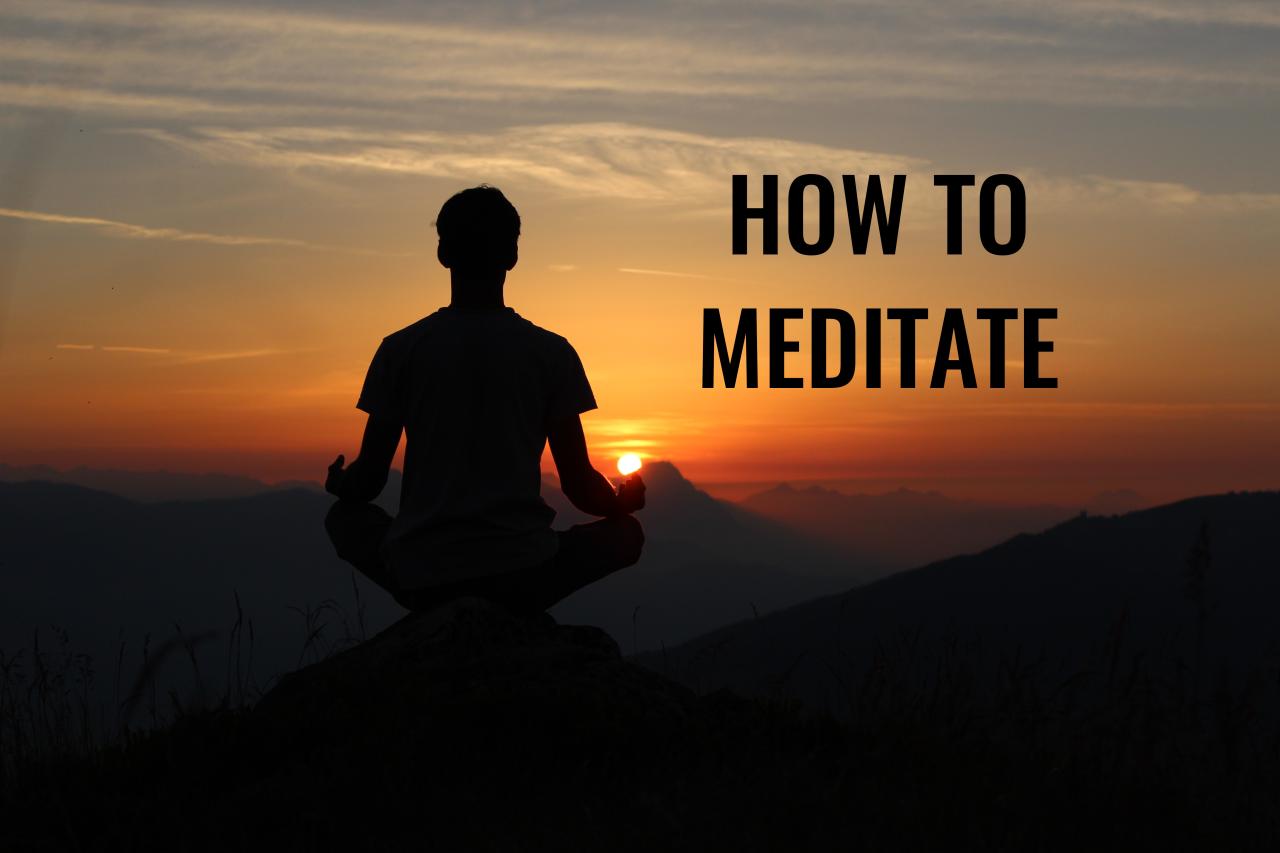
Embarking on a meditative journey for spiritual awakening often presents various obstacles that can hinder progress and diminish motivation. Recognizing these common challenges and implementing effective strategies to address them is essential for sustaining growth and deepening one’s spiritual practice. As with any transformative process, persistence and adaptability are key in navigating these hurdles successfully. Understanding the typical difficulties encountered during meditation allows practitioners to develop resilience and a more compassionate approach towards themselves.
Challenges such as physical discomfort, mental restlessness, emotional turbulence, and waning motivation are prevalent, yet they can be effectively managed through mindful techniques and consistent effort. Developing awareness of these issues and employing targeted strategies fosters a more stable and enriching meditation experience, paving the way toward genuine spiritual awakening.
Handling Distractions and Restless Thoughts
Distractions and restless thoughts are among the most common obstacles faced during meditation sessions. These mental interruptions can divert focus and create frustration, particularly when seeking profound spiritual insights. Addressing these challenges requires a combination of patience, mindfulness, and practical techniques to cultivate a calm and centered mind. To manage distractions effectively, practitioners should first acknowledge their presence without judgment, allowing thoughts to pass naturally rather than resisting them.
Techniques such as focused breathing or body scan meditation help anchor attention, reducing the tendency of the mind to wander. Incorporating gentle guiding phrases or mantras can also provide mental landmarks that redirect focus back to the practice. Additionally, creating a distraction-free environment, such as a quiet, comfortable space, minimizes external interruptions and enhances concentration. A particularly helpful method is the practice of noting or labeling thoughts as they arise—such as “thinking,” “planning,” or “worrying”—then gently returning attention to the breath or chosen focal point.
Over time, this process strengthens mental discipline and increases resilience to disturbances, supporting deeper meditative states essential for spiritual growth.
“Distractions are natural; recognizing and gently redirecting focus transforms interruptions into opportunities for mindfulness.”
Maintaining Motivation During Challenging Periods
Sustaining motivation through the inevitable difficulties of meditation is crucial for continuous spiritual progress. Challenging periods—marked by feelings of stagnation, doubt, or physical fatigue—can lead practitioners to question the effectiveness of their practice or feel discouraged entirely. It is important to remember that perseverance and consistent effort are fundamental components of spiritual awakening. Setting realistic, achievable goals and celebrating small victories foster a sense of progress and reinforce commitment.
Incorporating variety into meditation routines, such as trying different techniques or guided practices, can also rekindle interest and enthusiasm. Practitioners should cultivate patience and self-compassion, acknowledging that setbacks are natural parts of any transformative journey. Connecting with a community of like-minded individuals or spiritual mentors provides encouragement and accountability, helping to renew motivation. Regularly revisiting one’s intentions for spiritual growth and reflecting on subtle yet meaningful progress can sustain a sense of purpose and dedication during difficult times.
By maintaining a balanced perspective and employing adaptive strategies, meditators can navigate obstacles with resilience, transforming challenges into valuable opportunities for deeper insight and awakening.
Closure

In conclusion, consistent meditation practice tailored to support your spiritual awakening can lead to lasting transformation and inner peace. By understanding the core techniques, creating a conducive environment, and integrating mindfulness into everyday life, you empower yourself to navigate the path of spiritual growth with confidence and resilience. Embrace this journey with patience and openness, and witness the profound evolution it brings to your life.