Embarking on a journey to deepen your awareness of the present moment through meditation opens the door to profound clarity and inner peace. This practice not only cultivates mindfulness but also enriches your perception of everyday experiences, allowing you to live more fully and intentionally. Whether you’re a beginner or seeking to refine your technique, understanding the core methods and preparing effectively can transform your meditative journey into a powerful tool for personal growth and mental clarity.
Through mindful breathing, body scans, and sensory observation, meditation becomes a conduit for embracing the here and now. Overcoming common distractions and integrating these practices into daily routines ensures lasting benefits beyond the meditation cushion. Exploring vivid imagery and visualizations further enhances your ability to stay present, fostering a deeper connection with yourself and the world around you.
Introduction to Meditation for Present Moment Awareness
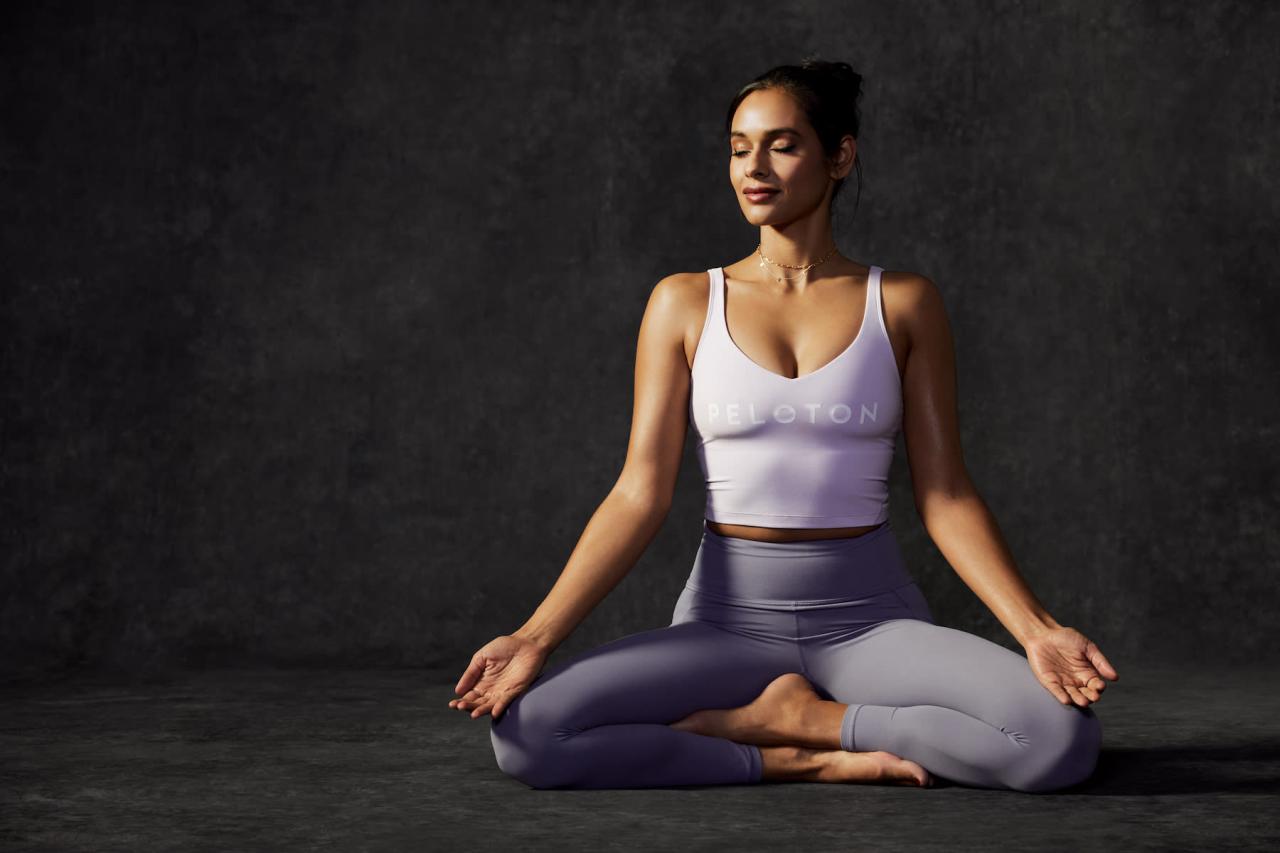
Meditation serves as a powerful practice for cultivating a deep and sustained awareness of the present moment. In our fast-paced and often distraction-filled lives, developing the ability to anchor oneself in the here and now allows for greater clarity, emotional balance, and a heightened sense of connection to one’s surroundings. Through consistent meditation, individuals can learn to observe their thoughts, feelings, and sensations without judgment, fostering a state of mindful presence that extends into everyday activities.
Enhancing perception of the present through meditation involves training the mind to shift focus from past regrets or future anxieties to the current experience. This shift can significantly improve mental clarity, reduce stress, and increase overall well-being. Various meditation techniques are designed to deepen this awareness, ranging from breath-focused practices to body scan exercises and sensory awareness techniques. Each method emphasizes sustained attention and non-reactive observation, helping practitioners to cultivate a more profound understanding of their immediate environment and inner experiences.
Techniques for Deepening Present Moment Awareness
To effectively deepen present awareness through meditation, it is essential to engage in practices that promote sustained attention and sensory engagement. These techniques serve as tools to enhance mindfulness and facilitate a greater connection with the here and now. The following methods are widely recognized for their effectiveness in cultivating present moment perception:
- Mindful Breathing: Focused attention on the natural rhythm of the breath, observing each inhalation and exhalation without attempting to control or alter it. This practice anchors awareness and calms the mind, making it easier to stay present.
- Body Scan Meditation: Systematically directing attention across different parts of the body, noticing sensations, tensions, or relaxations. This method fosters a deep connection with bodily experiences and enhances sensory awareness.
- Sensory Awareness: Engaging all five senses intentionally during meditation sessions to heighten perception of sounds, textures, tastes, smells, and visual stimuli. This practice encourages a full-bodied engagement with the present environment.
- Open Monitoring Meditation: Observing thoughts, feelings, and sensations as they arise without attachment or judgment, allowing the practitioner to witness the flow of experience in real-time. This approach broadens awareness and reduces mental clutter.
“Mindfulness is the art of paying attention, on purpose, in the present moment, non-judgmentally.” — Jon Kabat-Zinn
Integrating these techniques into a regular meditation routine can significantly enhance the perception of the present moment, leading to a more mindful and fulfilling experience of daily life. Consistent practice supports cultivating a nuanced awareness that acknowledges the richness of each moment, fostering peace and clarity amidst life’s inevitable fluctuations.
Preparing for Meditation Practice
Establishing an appropriate environment and mental readiness is essential for a successful meditation session focused on deepening present moment awareness. Proper preparation cultivates a space that fosters calmness and concentration, enabling you to engage more fully with your practice.
Thoughtful preparation involves creating a physical setting conducive to meditation, setting clear intentions, and organizing a routine that aligns with your goals. These steps help transition your mind from daily distractions into a focused state, setting the stage for profound mindfulness and inner clarity.
Creating a Conducive Environment for Meditation
Designing an environment that minimizes distractions and promotes tranquility enhances your ability to enter a meditative state. A well-prepared space acts as a psychological cue that it is time to focus inward, supporting sustained attention and relaxation during practice.
- Comfortable Seating: Choose a chair, cushion, or bench that provides support without causing discomfort. Ensure your posture allows the spine to remain upright yet relaxed, fostering alertness without tension.
- Minimal Distractions: Select a quiet area where interruptions are unlikely. Turn off or silence electronic devices such as phones, tablets, or computers that could divert your focus.
- Calming Sounds: Use gentle background sounds like soft instrumental music, nature sounds, or white noise if they help you relax. Alternatively, practicing in silence can deepen your focus, provided the environment remains free from sudden noises.
Creating a dedicated meditation corner, free from clutter and visual distractions, further enhances the environment’s calming effect. Regularly maintaining this space helps condition your mind to associate it with mindfulness and tranquility.
Setting an Intention to Deepen Present Awareness
Before beginning your meditation, cultivating a clear intention guides your focus and nurtures a mindful attitude. Intentions serve as mental anchors, aligning your effort with the goal of deepening your awareness of the present moment.
“Setting an intention transforms meditation from a passive activity into an active pursuit of inner clarity and insight.”
- Clarify Your Purpose: Reflect on why you are meditating, such as cultivating patience, reducing stress, or enhancing awareness. A well-defined purpose provides motivation and focus.
- Visualize the Desired Outcome: Imagine yourself fully immersed in present awareness, feeling calm, centered, and attentive. This visualization reinforces your commitment to the process.
- Affirm Your Commitment: Use positive affirmations or phrases like “I am here to observe and deepen my awareness” to reinforce your intention before starting.
Writing down your intention or silently repeating it can strengthen your mental focus, helping to anchor your practice and foster a deeper connection to the present moment throughout the session.
Organizing a Routine Checklist for Meditation Preparation
An established routine reduces decision fatigue and creates a predictable framework that signals the mind to transition into meditation. Consistency enhances the effectiveness of your practice and deepens your awareness over time.
| Step | Description |
|---|---|
| Timing | Choose a specific time each day, preferably when your mind is relatively free from fatigue or rush. Early mornings or late evenings often provide quiet and fewer interruptions. |
| Posture | Decide on a comfortable, upright posture that supports alertness. Whether sitting cross-legged on a cushion or on a chair, ensure your back is straight and shoulders relaxed. |
| Mental Preparation | Engage in a brief mental warm-up, such as taking three deep breaths or performing gentle stretches, to release tension and prepare your mind for focused awareness. |
| Pre-Meditation Routine | Establish a series of small rituals, like lighting a candle, setting an intention, or listening to calming music, to signal the start of your practice and cultivate mindfulness. |
| Duration | Set a consistent length for your meditation, beginning with manageable periods (e.g., 10 minutes) and gradually extending as comfort grows. |
| Post-Meditation Reflection | Allocate a moment after the session to observe your experience, noting any insights or shifts in awareness, which reinforces the habit and deepens your engagement. |
Adhering to this routine checklist helps establish a structured approach that fosters commitment and facilitates a smoother transition into a mindful state, ultimately supporting your goal of deepening present moment awareness during meditation.
Core Techniques for Deepening Present Moment Awareness
Building a deeper connection with the present moment is essential for cultivating mindfulness and achieving greater mental clarity. This section explores foundational techniques that enhance your awareness of the here and now, enabling you to experience life more fully and with greater sensitivity. By integrating these practices into your meditation routine, you can develop a more profound sense of presence and perceptual clarity.
These core techniques draw from established mindfulness practices, emphasizing sensory engagement and attentional focus. They serve as practical tools to refine your ability to observe your experience without judgment, fostering a steady and enhancing mindfulness that can be applied throughout daily life.
Mindfulness Meditation: Focusing on Breath and Bodily Sensations
Mindfulness meditation, one of the most widely practiced approaches, encourages sustained attention on specific sensory inputs, particularly the breath and bodily sensations. This practice helps anchor awareness in the present moment by directing attention to natural, rhythmic processes that continually occur within the body.
Engaging with the breath involves observing its natural flow — noticing the inhale and exhale without trying to control it. This cultivates a state of relaxed alertness, reducing mental distractions. Simultaneously, paying attention to bodily sensations, such as the feeling of the air on the skin or the contact points between body and surface, heightens sensory perception and grounds the practitioner in the here and now.
Regular practice reduces mind wandering and fosters a gentle, non-judgmental awareness of current experience.
Body Scan Exercises to Enhance Sensory Perception
The body scan is a systematic method of attention that involves sequentially focusing awareness on different parts of the body. This technique enhances sensory perception by encouraging detailed observation of physical sensations, including tension, warmth, tingling, or relaxation.
Practicing body scans can be particularly effective for identifying areas of stress and promoting relaxation. It involves starting from the toes and gradually moving upward, pausing at each region to observe sensations without attempting to change them. This practice cultivates a heightened sensitivity to bodily signals, leading to improved interoceptive awareness — the ability to perceive internal bodily states. Over time, this deepens your connection to the present moment and enhances overall mindfulness.
Open Awareness Versus Focused Attention Meditation Styles
Two primary styles of meditation serve different purposes in cultivating present moment awareness. Open awareness meditation involves observing all experiences — sensations, thoughts, emotions — without attachment or judgment, allowing a broad, inclusive attention. Focused attention meditation, on the other hand, directs concentration toward a single object, such as the breath or a mantra, to deepen focus and clarity.
Open awareness nurtures a sense of spaciousness and acceptance, making it effective for reducing reactivity and fostering a non-judgmental attitude toward experience. Focused attention strengthens attentional control and helps refine concentration skills. Both approaches are valuable; open awareness enhances the ability to remain present amid a variety of stimuli, while focused attention deepens sensory clarity and reduces distractibility.
Comparison Table of Techniques
| Technique | Description | Benefits |
|---|---|---|
| Mindfulness of Breath and Bodily Sensations | Focusing attention on natural breathing and physical sensations without control or judgment. | Enhances sensory awareness, promotes relaxation, and anchors attention in the present. |
| Body Scan Exercise | Sequentially directing awareness to different parts of the body to observe sensations. | Improves interoceptive awareness, reduces physical tension, and deepens sensory perception. |
| Open Awareness Meditation | Allowing all experiences to arise naturally and observing them without attachment. | Fosters spaciousness, acceptance, and resilience to distractions. |
| Focused Attention Meditation | Concentrating on a single object such as the breath, a word, or a visual point. | Strengthens concentration, clarity, and mental stability. |
“Deepening present moment awareness involves cultivating a gentle, sustained attention to the sensory and experiential landscape of each moment, free from judgment or expectation.”
Practical Methods to Maintain Awareness During Meditation

Maintaining sustained awareness throughout meditation sessions can be challenging, especially as the mind naturally tends to wander. Implementing specific practical methods can significantly enhance your ability to stay present and deepen your mindfulness practice. These techniques serve as gentle anchors to bring your attention back to the present moment without creating frustration or distraction.Effective meditation requires consistency in practice and the use of simple yet powerful techniques that gently remind the mind to remain engaged.
Incorporating these methods can transform meditation from a fleeting attempt into a profound and enriching experience of present-moment awareness.
Gentle Reminder Practices Using Mental Notes and Anchors
In meditation, mental notes or gentle anchors act as soft signals that alert you when attention drifts away from the present. These practices involve silently acknowledging the distraction without judgment and consciously returning focus to your chosen point of awareness.
- Silent mental noting: When noticing the mind wandering, briefly say to yourself, “thinking,” “wandering,” or simply acknowledge the distraction. This non-reactive recognition helps create a pause and fosters awareness.
- Using gentle anchors: Select a subtle anchor, such as a soft mental note, a gentle breath, or a calming phrase like “here now.” When distractions arise, gently return your focus to this anchor, creating a habitual cycle of recognition and redirection.
- Consistent practice: Regularly employing mental notes makes the process automatic, reducing the tendency to become frustrated with wandering thoughts and fostering a compassionate attitude toward your practice.
Breathing Exercises That Anchor Attention
Breathing serves as one of the most effective anchors in meditation because it is always accessible and inherently tied to the present moment. Specific breathing exercises can help stabilize attention and deepen awareness during practice.
By focusing intentionally on the breath, practitioners cultivate a natural and gentle way to stay present, especially during moments when the mind tends to drift.
- Deep diaphragmatic breathing: Inhale slowly through the nose, allowing the abdomen to expand, then exhale gently through the mouth or nose, feeling the abdomen contract. Repeat this process, noticing the rise and fall of the abdomen with each breath.
- Counting breaths: Count each inhalation and exhalation up to a certain number (e.g., 4 or 5), then repeat. This counting creates a rhythmic focus that encourages sustained attention.
- 4-7-8 breathing technique: Inhale quietly through the nose for a count of 4, hold the breath for a count of 7, then exhale fully through the mouth for a count of 8. This pattern promotes relaxation and concentration.
Consistent engagement with breath-based exercises fosters a resilient awareness that naturally draws attention back to the present during moments of distraction.
Integrating Sensory Observation into Meditation Sessions
Sensory observation involves consciously attending to the sensations arising from the environment or within the body. This practice enhances present moment awareness by anchoring attention to tangible, immediate experiences.
Integrating sensory observation requires a step-by-step approach that encourages openness and curiosity towards sensory input, thereby reducing mental chatter and cultivating mindfulness.
- Begin with body sensations: Start by scanning the body from head to toe, observing sensations such as tingling, warmth, coolness, or tension. Acknowledge each sensation without judgment and gently shift focus when attention wanders.
- Focus on auditory sensations: Listen attentively to sounds in the environment, whether distant or nearby. Notice qualities like pitch, volume, and direction, without labeling or analyzing them.
- Attend to tactile sensations: Be aware of feelings such as the sensation of clothing against the skin, airflow on the face, or contact points of the body with the chair or floor. Observe these sensations in a relaxed and curious manner.
- Visual observation: If eyes are open, soft-focus on visual stimuli in the environment, noticing colors, shapes, and movements without attachment or aversion.
Regularly practicing sensory observation cultivates a non-reactive awareness that anchors the mind in the present, reducing the likelihood of distraction and enhancing mindfulness clarity.
Examples of Mindfulness Explainings During Practice
Using brief, clear explanations during meditation can serve as effective mindfulness cues to reinforce present-moment awareness. These phrases or statements remind practitioners of the core principles of mindfulness and help refocus attention.
- “This is just a sensation.” — Encourages observing sensory input without judgment or interpretation.
- “Breathing in, I am aware of my breath.” — Reinforces focus on the breath as an anchor.
- “Thoughts come and go like clouds.” — Promotes accepting mental activity without attachment.
- “Present moment, just as it is.” — Reminds practitioners to accept and observe the current experience without resistance.
- “Returning to the here and now.” — A gentle reminder to redirect attention when distracted.
Incorporating these explanations into meditation sessions helps cultivate a compassionate attitude toward wandering thoughts and reinforces the habit of present-moment awareness.
Overcoming Challenges in Deepening Awareness

Developing a consistent meditation practice often encounters obstacles that can hinder progress in deepening present moment awareness. Recognizing these challenges and understanding effective strategies to address them are essential steps toward cultivating a resilient and focused meditation routine. Common difficulties such as wandering thoughts and external or internal distractions are natural parts of the process. By approaching these obstacles with patience and mindfulness, practitioners can gradually refine their ability to sustain awareness and deepen their meditative experience.In meditation, it is normal for the mind to drift away from the present moment.
Instead of viewing this as a failure, it is helpful to see it as an opportunity to practice gentle redirection and acceptance. Developing a compassionate attitude towards oneself when faced with distractions fosters persistence and reduces frustration, making the practice more sustainable over time.
Managing Wandering Thoughts and Distractions
Distractions, both internal and external, are among the most common barriers to maintaining focused awareness during meditation. Internal distractions may include restless thoughts, emotional fluctuations, or physical sensations of discomfort. External distractions can stem from noise, interruptions, or environmental disturbances. To effectively manage these challenges, practitioners should adopt techniques that promote gentle redirection and presence.One effective approach involves acknowledging the distraction without judgment and consciously guiding attention back to the breath, bodily sensations, or a chosen anchor.
For example, if the mind drifts to a stressful memory, recognizing it as a passing thought and softly returning focus to the breath can help maintain continuity of awareness. Using specific cues, such as silently labeling thoughts as “thinking” or “wandering,” creates distance from the distraction and encourages a calm return to the present.
Cultivating Patience and Persistence
Progress in meditation is often gradual, requiring sustained effort and an attitude of patience. Cultivating patience involves understanding that obstacles are part of the process and that each session contributes to long-term growth. Persistence entails consistently returning to practice despite setbacks, which reinforces neural pathways associated with focused awareness.Practitioners can reinforce patience by setting realistic expectations and celebrating small successes, such as increased duration of sustained attention or reduced frequency of distractions.
Developing a regular meditation schedule and maintaining a gentle, non-judgmental attitude toward oneself cultivates resilience and helps sustain motivation during challenging periods.
Troubleshooting Techniques for Maintaining Focus
Maintaining focus during meditation requires practical strategies tailored to individual experiences. The following troubleshooting techniques can be valuable in overcoming persistent challenges:
- Breath Anchoring: Focus intently on the natural rhythm of the breath, using it as a steady anchor to return to when the mind wanders.
- Body Scan: Systematically bring awareness to different parts of the body, grounding attention in physical sensations to reduce mental chatter.
- Use of Mantras or Repetition: Silently repeat a calming word or phrase to keep the mind engaged and oriented to the present.
- Environmental Control: Minimize external distractions by choosing a quiet, comfortable setting and turning off notifications or devices.
- Scheduled Breaks: Incorporate short pauses during longer sessions to reset focus and prevent fatigue.
Consistent application of these techniques, combined with patience and self-compassion, supports the deepening of awareness and enhances the overall effectiveness of meditation practice. Over time, these strategies help transform obstacles into opportunities for growth and insight.“Gentle redirection and compassionate attitude towards distraction are key to cultivating a resilient meditation practice.”
Enhancing Daily Life with Present Moment Awareness

Applying the practice of meditation beyond designated sessions transforms everyday activities into opportunities for cultivating mindfulness. When present moment awareness becomes a natural part of daily routines, individuals experience greater clarity, reduced stress, and a deeper connection with their surroundings and themselves. This integration enriches daily living by fostering a consistent state of mindfulness that supports mental and emotional well-being.
Incorporating present moment awareness into routine activities involves conscious attention to each moment, moment-by-moment. By intentionally directing awareness during common actions such as eating, walking, and listening, individuals create seamless opportunities to deepen their mindfulness practice, making it an integral aspect of daily life rather than an isolated activity.
Mindful Eating
Mindful eating emphasizes fully engaging the senses and attention during meals, transforming eating into a meditative act. This practice encourages individuals to slow down, savor each bite, and notice textures, flavors, and sensations without distraction. It fosters healthier eating habits, improves digestion, and enhances appreciation for food.
- Begin by taking a few deep breaths before starting your meal to center your attention.
- Observe the appearance, aroma, and texture of the food before tasting.
- Chew slowly and thoroughly, paying attention to the taste and sensation in your mouth.
- Avoid distractions such as television or smartphones during meals to maintain focus on the eating experience.
- Pause periodically during the meal to assess your hunger and fullness levels, preventing overeating.
Mindful Walking
Walking meditation offers an accessible way to cultivate present moment awareness while engaging in physical activity. By focusing on the sensations of movement, contact with the ground, and the environment, practitioners ground themselves in the here and now, reducing mental chatter and promoting tranquility.
- Choose a quiet, safe space for walking, free from interruptions.
- Synchronize your breath with your steps—inhale for a certain number of steps, exhale for the same or different count.
- Pay close attention to the feeling of your feet touching the ground, the movement of your legs, and the sounds around you.
- Maintain an upright posture with relaxed shoulders, allowing your awareness to encompass your entire body in motion.
- Slow down if your mind begins to drift, gently bringing focus back to your sensations and environment.
Mindful Listening
Listening mindfully involves giving full attention to sounds, words, and conversations without judgment or distraction. This practice enhances communication skills, deepens relationships, and cultivates patience. By truly hearing, individuals become more aware of subtle cues and emotional tones, enriching their understanding of others.
- Focus entirely on the speaker, avoiding the urge to formulate responses prematurely.
- Notice the tone, pitch, and rhythm of speech, as well as any non-verbal cues such as gestures or facial expressions.
- Allow yourself to absorb each word fully before responding, cultivating patience and openness.
- During conversations, periodically pause to reflect on what has been said, fostering clarity and comprehension.
- Practice active listening by summarizing or paraphrasing key points to confirm understanding.
Practical Routines for Mindful Daily Activities
| Situation | Mindful Practice | Key Focus |
|---|---|---|
| Brushing Teeth | Pay attention to the sensation of the brush, taste of toothpaste, and rhythm of movements. | Sensory engagement and routine awareness |
| Commuting | Observe surroundings, sounds, and sensations of the vehicle or walking steps. | Environmental awareness |
| Chores | Focus on the task at hand, such as washing dishes or folding laundry, noticing textures and movements. | Present engagement in routine activities |
| Relaxation Time | Practice breathing awareness or body scan while resting or during leisure activities. | Inner awareness and relaxation |
Sustaining Awareness Beyond Formal Sessions
Maintaining present moment awareness requires intentional effort and habitual integration into daily life. Techniques to extend mindfulness beyond structured meditation sessions include setting reminders, creating mindful pauses, and cultivating a non-judgmental attitude towards ongoing experiences. These methods help embed mindfulness into the fabric of everyday activities, fostering resilience and emotional balance.
- Use reminders: Set alarms or notifications on devices to prompt moments of pause and reflection during the day.
- Practice mini-meditations: Incorporate short mindfulness exercises, such as focusing on breath or sensations, during brief breaks.
- Adopt a non-judgmental attitude: Observe thoughts and feelings without labeling them as good or bad, encouraging acceptance.
- Engage in mindful transitions: Use movements between activities, such as walking from one task to another, as opportunities to reset awareness.
- Reflect periodically: Take moments throughout the day to check in with your mental and emotional state, recalibrating focus as needed.
By consciously weaving present moment awareness into daily routines, individuals create a sustained mindfulness practice that supports overall well-being and promotes a more centered, peaceful life.
Visual and Descriptive Aids to Support Awareness Deepening
Enhancing present moment awareness during meditation can be significantly supported through the use of vivid mental imagery and sensory descriptions. These techniques function as powerful tools to anchor the mind, deepen sensory perception, and foster a tranquil state conducive to mindfulness. Employing visual and descriptive aids allows practitioners to create immersive mental environments that reinforce their focus and cultivate a sustained awareness of the here and now.
By consciously engaging the senses through detailed imagery, meditators can facilitate a more profound connection to their immediate experience. This approach not only enriches the quality of meditation but also enables individuals to carry this heightened awareness into daily life, leading to greater clarity, calmness, and emotional resilience.
Creating Vivid Mental Images of Sensory Experiences
Developing detailed mental images involves actively imagining sensory details with clarity and precision. It is essential to focus on each sense—sight, sound, touch, taste, and smell—to construct a multi-sensory experience that feels authentic and immersive. This practice enhances sensory perception, making the present moment more tangible and vivid.
Practitioners can start by recalling a simple sensory experience, such as the sensation of holding a warm cup of tea. Visualize the steam gently rising from the cup, the rich color of the beverage, and the texture of the ceramic. Simultaneously, imagine the aroma of the tea, the warmth of the cup in your hands, and the subtle taste on your tongue.
The detailed visualization engages the mind fully, fostering a deep sense of presence.
Using guided imagery recordings or descriptive meditation scripts can further support this process, providing specific cues that evoke rich sensory details. Regular practice enhances the ability to conjure vivid images that serve as anchors during meditation sessions.
Visualizing Calming Environments to Reinforce Present Focus
Creating mental pictures of serene and peaceful environments helps to cultivate a sense of calm and stability, reinforcing focus on the present moment. These visualizations act as mental retreats, allowing the meditator to feel grounded and centered amidst daily distractions.
Effective visualizations might include imagining a tranquil beach with soft waves gently lapping at the shore, a lush forest with sunlight filtering through leaves, or a quiet mountain lake reflecting a clear blue sky. Focus on the details: the sound of the waves, the scent of pine, the coolness of the air, or the gentle rustling of leaves. These images evoke feelings of relaxation and safety, making it easier to maintain awareness during meditation.
Incorporating movement or changes within the visualization—such as watching clouds drift across the sky or leaves falling gently—can deepen immersion. Repeatedly visualizing these environments strengthens the mental association between sensory calmness and present awareness.
Detailed Descriptions to Enhance Sensory Perception
Using detailed, evocative descriptions in meditation helps to sharpen sensory awareness and create a more immersive experience. The richness of these descriptions can transform simple thoughts into vivid mental scenes that anchor attention and deepen mindfulness.
For instance, describing a peaceful garden: envision the textured bark of ancient trees, the vibrant colors of blooming flowers, the gentle hum of bees, and the cool touch of a soft breeze on your skin. Incorporate sensory details such as the earthy scent of soil after rain, the warmth of sunlight dappling through leaves, and the taste of fresh, herbal tea.
These layered descriptions stimulate multiple senses simultaneously, increasing engagement and presence.
Practitioners can develop their own descriptive language by paying close attention to sensory experiences in daily life, then translating those details into mental imagery during meditation. This practice enhances perceptual clarity and fosters a sustained mindful state.
Suggestions for Illustrative Content Depicting Mindfulness in Action
Visual aids that depict mindfulness practices can significantly support understanding and internalization of deepening awareness. Illustrations should focus on capturing real-life moments of mindfulness, emphasizing calmness, attentiveness, and sensory engagement.
Examples include images of individuals practicing seated meditation in tranquil settings, close-ups of hands gently resting on knees, or scenes of walking meditation along a peaceful path. These visuals should highlight the relaxed posture, focused gaze, and serene expressions that embody mindfulness in action.
Illustrative content can be enhanced with descriptive captions that guide viewers on the sensory elements being experienced—such as the softness of a meditation cushion, the sound of breathing, or the sight of a calming natural landscape. Such visuals serve as motivational references and practical models for practitioners seeking to cultivate awareness through imagery and sensory engagement.
Ultimate Conclusion

Incorporating meditation techniques aimed at deepening present moment awareness can significantly enhance your overall well-being and mindfulness in daily life. By consistently practicing and overcoming obstacles, you cultivate patience and resilience, enabling you to engage more fully with each moment. Remember, the journey toward greater awareness is ongoing, and each mindful step brings you closer to a more centered and fulfilled existence.