Discovering harmony within relationships can be greatly enhanced through the practice of meditation. This guide explores how mindfulness techniques and intentional reflection can foster emotional stability, improve communication, and establish healthy boundaries. By integrating meditation into daily life, individuals can cultivate a deeper understanding of themselves and their partners, leading to more balanced and fulfilling connections.
From creating a peaceful environment to applying various meditation methods, this comprehensive approach offers practical tools to help you achieve greater relationship harmony. Emphasizing mindfulness, compassion, and patience, these practices aim to strengthen emotional resilience and promote mutual understanding in your personal interactions.
Introduction to Meditation and Relationship Balance

In the journey toward nurturing healthier and more harmonious relationships, meditation serves as a vital tool for cultivating emotional awareness and inner tranquility. By dedicating time to mindful practices, individuals can develop a deeper understanding of their own emotional states, which in turn fosters empathy and better communication with others. This process is essential for achieving a balanced dynamic where both partners feel valued, understood, and respected.
Meditation aids in clarifying personal boundaries and identifying core needs, thereby enabling individuals to express themselves more authentically within their relationships. Regular practice encourages a habit of self-reflection, helping people recognize patterns that may lead to conflict or dissatisfaction. Over time, this heightened self-awareness promotes stability and resilience, ensuring that relationships are built on mutual understanding and emotional equilibrium.
Significance of Meditation in Emotional Harmony
Meditation nurtures emotional harmony by helping individuals manage stress, reduce reactive behaviors, and foster compassion. When practiced consistently, it enhances one’s ability to stay present during challenging interactions, allowing for healthier responses rather than impulsive reactions. This not only diminishes misunderstandings but also deepens the emotional connection between partners.
Identifying Personal Boundaries and Needs
Through meditation, individuals gain insight into their internal landscape, recognizing what feels comfortable and what does not. This awareness is crucial for setting boundaries that protect personal well-being without guilt, creating a foundation of mutual respect. Meditation encourages introspection on core needs, whether emotional, physical, or psychological, empowering individuals to communicate these needs clearly and confidently within their relationships.
Benefits of Regular Meditation Practice for Relationship Stability
Consistency in meditation practice offers numerous benefits that contribute directly to relationship stability. These include enhanced emotional regulation, increased patience, and a greater capacity for empathy. Regular meditation fosters resilience against external stressors, allowing partners to navigate conflicts more constructively. Additionally, it promotes a sense of inner peace that radiates outward, creating a nurturing environment where love and understanding can flourish.
Preparing for Meditation Practice

Establishing a conducive environment and setting clear intentions are fundamental steps toward a successful meditation session focused on fostering harmony in relationships. Proper preparation not only minimizes distractions but also cultivates a mindset receptive to growth and balance. By dedicating thoughtful attention to these initial steps, practitioners pave the way for deeper, more impactful meditation experiences tailored to nurturing relationship well-being.
Preparation involves creating a tranquil space, clarifying personal goals, and assembling necessary tools that support focus and comfort. These practices serve as the foundation for meditation sessions that are both effective and enjoyable, allowing practitioners to fully engage with their intentions of cultivating harmony, patience, and understanding within their relationships.
Creating a Peaceful and Distraction-Free Meditation Environment
Designing a serene setting is essential for cultivating focus and relaxation during meditation. The environment should be quiet, comfortable, and free from interruptions. To achieve this, select a dedicated space that can be kept undisturbed, whether in a corner of a room, a private garden nook, or a designated corner in a quiet part of your home. Ensure the area is tidy, with minimal clutter, which helps clear mental space as well as physical.
Control ambient noise by using soft background sounds such as gentle instrumental music, nature sounds, or white noise machines. Dimming lights or using candles enhances a calming atmosphere and signals the brain to relax. If possible, incorporate natural elements like plants or stones to foster a grounding feeling. Avoid screens, bright lights, and other sources of distraction to maintain focus.
Consistency in using the same environment can also deepen the meditation experience, as the space becomes associated with calm and intentional practice.
Setting a Clear Intention Focused on Relationship Harmony
Clarifying your intention before each session helps direct your meditation practice toward specific goals related to relationship balance. An effective intention serves as a mental anchor, guiding your focus and fostering a sense of purpose. For example, setting an intention such as, “I aim to cultivate patience and understanding in my interactions,” can steer your meditation toward nurturing those qualities.
To set a meaningful intention, take a moment to reflect on your relationship needs, challenges, or aspirations. Articulating your intention in a positive and present-tense statement reinforces your commitment and aligns your subconscious with your goals. Repeating this intention silently or aloud during meditation reinforces focus and keeps your attention aligned with the desired outcome of harmony and emotional balance.
Essential Tools and Props for Enhancing Meditation Sessions
Incorporating certain tools and props can significantly enhance comfort, focus, and the overall quality of your meditation experience. These items are designed to support physical ease and mental clarity, making it easier to maintain a meditative state for an extended period.
Consider the following essential tools:
| Tool or Prop | Purpose and Benefits |
|---|---|
| Meditation Cushion or Zafu | Provides proper seating height for comfort, encourages upright posture, and reduces strain on the back and hips, facilitating longer meditation sessions. |
| Blanket or Shawl | Offers warmth and comfort, helping to relax muscles and create a cozy environment, especially in cooler settings. |
| Incense or Aromatherapy Diffuser | Utilizes calming scents like lavender or sandalwood to evoke tranquility and deepen relaxation. |
| Timer or Meditation App | Assists in managing session duration without the need for checking clocks, allowing full immersion in meditation without distraction. |
| Comfortable Seating or Stool | If sitting on the floor isn’t preferred, a supportive chair or stool ensures proper posture and comfort during longer practices. |
| Essential Oil Roll-Ons or Candles | Creates a soothing ambiance and can serve as a tactile or olfactory cue to transition into a meditative state. |
“Creating the right environment and tools transforms meditation from an occasional practice into a nurturing daily ritual for relationship harmony.”
Techniques for Meditating to Find Balance
Engaging in various meditation practices allows individuals to cultivate inner harmony and enhance their relational well-being. Each technique offers unique benefits and caters to different personal needs, helping to foster patience, compassion, and clarity in relationships. Exploring these methods can provide valuable tools for achieving emotional equilibrium and developing a more harmonious connection with others.
The following overview presents three effective meditation techniques: mindfulness, loving-kindness, and guided visualization. Understanding their core principles, benefits, and recommended durations can assist in selecting the most suitable approach to foster balance within relationships.
Mindfulness Meditation
Mindfulness meditation involves paying deliberate attention to present-moment experiences with openness and without judgment. It cultivates awareness of thoughts, emotions, and bodily sensations, allowing individuals to observe their reactions and cultivate a sense of calmness and clarity. This practice enhances emotional regulation and reduces impulsivity, which are essential attributes for harmonious interactions.
| Technique | Description | Recommended Duration |
|---|---|---|
| Mindfulness | Focuses on cultivating present-moment awareness by observing sensations, thoughts, and feelings without attachment or judgment. It encourages acceptance and reduces reactivity. | 10-20 minutes daily |
Individuals can incorporate mindfulness into daily life by paying close attention to breathing, sensations during routine activities, or internal thoughts. Regular practice enhances emotional resilience, making it easier to respond thoughtfully rather than react impulsively in relational situations.
Loving-Kindness Meditation
Loving-kindness, or Metta, meditation centers on developing unconditional compassion and goodwill towards oneself and others. This technique fosters empathy and emotional warmth, which are fundamental for nurturing balanced and supportive relationships. It is especially beneficial for overcoming feelings of resentment or hostility that may hinder relational harmony.
| Technique | Description | Recommended Duration |
|---|---|---|
| Loving-Kindness | Involves silently repeating phrases of goodwill and compassion directed towards oneself, loved ones, acquaintances, and even challenging individuals, cultivating a universal sense of kindness. | 15-20 minutes per session |
This practice encourages extending positive intentions beyond oneself, fostering forgiveness and understanding. Consistent engagement can soften negative perceptions, promote patience, and deepen emotional connections in relationships.
Guided Visualization
Guided visualization uses mental imagery to evoke peaceful, positive scenarios that reinforce feelings of balance and harmony. This technique often involves listening to a recorded guide or imagining calming scenes, such as a serene natural environment, to promote relaxation and emotional stability.
| Technique | Description | Recommended Duration |
|---|---|---|
| Guided Visualization | Participants follow verbal instructions to envision soothing images or scenarios, fostering relaxation, emotional clarity, and positive feelings that can influence relational dynamics. | 10-15 minutes per session |
Regular practice of guided visualization can help individuals reduce stress, enhance mood, and approach relationships with a calmer, more centered perspective. It is especially effective for those who find visualization engaging and enjoy mental escapism toward positive imagery.
Choosing the Most Suitable Technique
Each meditation method offers distinct advantages, and selecting the most appropriate one depends on personal needs and goals. Mindfulness is ideal for improving self-awareness and emotional regulation, essential for responding thoughtfully in relationships. Loving-kindness fosters empathy, compassion, and forgiveness, directly strengthening relational bonds. Guided visualization provides a quick mental escape to peace, useful for stress reduction and emotional reset during challenging interactions.
Consider personal preferences, lifestyle, and specific challenges when choosing a technique. Combining methods over time can also offer comprehensive benefits, cultivating both internal balance and relational harmony.
Mindfulness Practices for Relationship Awareness

Developing mindfulness within relationships fosters a deeper understanding and connection with others. By cultivating present-moment awareness during interactions, individuals can respond more thoughtfully, reduce misunderstandings, and nurture compassion. These practices serve as valuable tools to enhance emotional intelligence and promote healthier, more balanced relationships.
Implementing specific mindfulness exercises helps individuals remain centered, empathetic, and attentive during conversations and shared experiences. Such practices not only improve communication but also contribute to personal inner peace, making interactions more meaningful and less reactive. Below are effective methods and exercises to incorporate mindfulness into everyday relationship dynamics.
Methods to Cultivate Present-Moment Awareness During Interactions
Fostering present-moment awareness involves consciously directing attention to the here and now, especially during interactions with others. This practice minimizes distractions and enhances genuine engagement.
- Active Listening: Focus fully on the speaker without planning your response. Notice their words, tone, and body language, allowing you to understand their perspective more deeply.
- Non-Judgmental Observation: Observe interactions without immediately assigning labels or evaluations. Recognize emotions and reactions as they arise, maintaining an open and accepting attitude.
- Body Awareness: Pay attention to physical sensations during conversations, such as the feeling of grounding or tension, to stay connected to your present state.
Exercises to Enhance Listening and Empathy
Strengthening listening skills and empathetic understanding requires intentional practice. These exercises encourage mindful engagement and foster compassionate connections.
- Pausing Before Responding: After someone speaks, take a brief moment—count to three silently—before replying. This pause allows for processing and reduces impulsive reactions.
- Reflective Paraphrasing: Repeat or paraphrase what the other person has said to confirm understanding. For example, “What I hear you saying is…” This demonstrates active listening and validates their feelings.
- Empathy Visualization: Imagine stepping into the other person’s shoes, considering their emotions and experiences. This mental exercise deepens empathetic awareness and enhances relational harmony.
Mindful Breathing Exercises to Center Before Responding
Centering oneself through breathing fosters emotional regulation and clarity during interactions. These exercises are simple yet powerful tools to maintain composure and respond thoughtfully.
| Exercise | Procedure | Benefits |
|---|---|---|
| Deep Belly Breathing | Place one hand on your abdomen and breathe deeply through your nose, allowing your belly to rise. Exhale slowly through your mouth or nose, feeling the abdomen fall. Repeat for 3-5 minutes. | Reduces stress, increases present-moment awareness, and promotes calmness. |
| Box Breathing | Inhale slowly through the nose for four seconds, hold the breath for four seconds, exhale evenly for four seconds, then hold again for four seconds. Continue this cycle for several minutes. | Enhances focus, stabilizes emotions, and grounds the mind before responding. |
| Alternate Nostril Breathing | Use your thumb to close one nostril while inhaling through the open nostril. Switch nostrils and exhale through the other. Repeat, maintaining a steady rhythm for 5 minutes. | Balances the nervous system, reduces anxiety, and cultivates mental clarity. |
“Practicing mindfulness in relationships allows us to respond with awareness rather than react impulsively, creating space for genuine understanding and compassion.”
Using Meditation to Identify Personal Boundaries
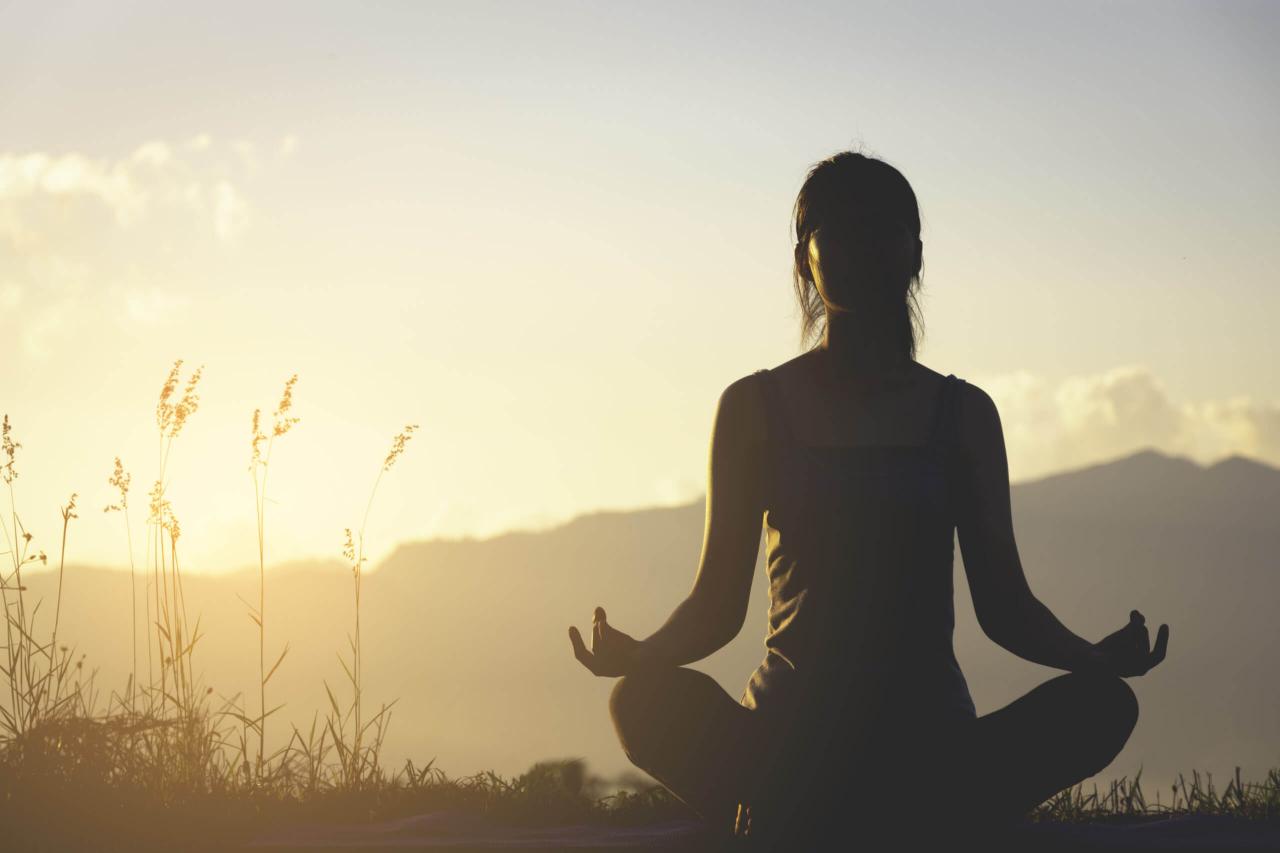
Developing awareness of personal boundaries is essential for fostering healthy relationships and maintaining emotional well-being. Meditation serves as a powerful tool to explore and understand one’s internal limits, triggers, and needs. By engaging in mindful reflection, individuals can gain clarity about what feels comfortable or uncomfortable within their interactions, leading to more intentional and respectful communication of boundaries.
Through dedicated meditation practice, individuals can create a safe mental space to examine their emotional responses and recognize patterns that indicate where boundaries may need reinforcement. This process encourages self-awareness, which is the foundation for setting and maintaining healthy boundaries in relationships.
Approaches to Reflect on Personal Limits and Emotional Triggers
Integrating reflection on personal boundaries into meditation involves specific techniques that help uncover underlying emotional responses and limit-setting cues. The following approaches facilitate this introspective process:
- Body Scan Meditation: Focus on physical sensations throughout the body to detect areas of tension or discomfort when thinking about specific interactions or situations. These sensations often point toward emotional triggers or boundary violations.
- Focused Visualization: Visualize scenarios involving interpersonal interactions, paying close attention to feelings of unease or resistance. Observe what thoughts or sensations arise when imagining setting boundaries or facing boundary crossings.
- Guided Reflection: Use guided meditations that prompt awareness of personal limits, encouraging recognition of emotional responses tied to different relationships and circumstances.
Practicing these techniques regularly can deepen understanding of one’s internal boundaries and help identify subtle cues indicating when limits are being tested or ignored.
Step-by-Step Guide to Journaling Insights Gained During Meditation Sessions
Journaling after meditation helps consolidate insights, facilitating ongoing awareness and action. The following steps provide a structured approach to capturing and analyzing reflections on personal boundaries:
- Set a Dedicated Time for Journaling: Allocate a few minutes immediately after meditation to record thoughts, feelings, and observations while the experience is fresh.
- Create a Safe and Quiet Environment: Find a comfortable space free from distractions to ensure focused reflection and honest expression.
- Describe the Meditation Experience: Write about the specific meditation technique used, the scenarios visualized, and any physical sensations or emotions encountered.
- Identify Emotional Responses: Highlight any recurring triggers, discomforts, or moments where boundaries felt threatened or reinforced.
- Reflect on Personal Limits: Note the boundaries that emerged or became clearer during the meditation, including areas where boundaries may need to be strengthened.
- Develop Actionable Insights: Write down steps to communicate boundaries more effectively or to reinforce limits in daily interactions.
Example: “During the body scan, I noticed tension in my shoulders when imagining someone asking for more than I am willing to give. This indicates my physical and emotional boundary around personal space and energy. I will practice asserting my limits calmly in future conversations.”
Organizing Ways to Communicate Boundaries Clearly After Reflection
Once insights have been gathered through meditation and journaling, clear and respectful communication of boundaries becomes vital. Here are organized strategies to express boundaries effectively:
- Be Specific and Direct: Clearly articulate what is acceptable and what is not, avoiding vague statements. For example, “I need personal space when I am working” rather than “Don’t bother me.”
- Use “I” Statements: Frame boundaries from a personal perspective to reduce defensiveness. For instance, “I feel overwhelmed when I receive multiple messages late at night” instead of “You always bother me.”
- Maintain Calm and Respectful Tone: Communicate boundaries with a composed demeanor, emphasizing respect for both parties’ needs.
- Set Boundaries Consistently: Reinforce limits regularly to establish clarity and reliability in relationships.
- Practice Active Listening: Pay attention to the responses of others, ensuring boundaries are acknowledged and respected, fostering mutual understanding.
Implementing these techniques ensures that boundary-setting is constructive, empowering both individuals and their relationships to thrive in mutual respect and understanding.
Developing Compassion and Patience Through Meditation
Meditation offers powerful tools to cultivate qualities such as compassion and patience, which are essential for maintaining healthy and balanced relationships. Through consistent practice, individuals can deepen their understanding of themselves and others, fostering a more empathetic and tolerant outlook that enhances interpersonal connections and reduces conflict.These qualities are particularly vital in relationships where misunderstandings and emotional triggers can cause friction.
Engaging in specific meditation exercises can help transform reactive tendencies into mindful responses, creating an atmosphere of mutual respect and kindness. Developing compassion and patience is an ongoing journey that benefits from dedicated routines and mindfulness techniques designed to nurture these virtues over time.
Exercises to Foster Forgiveness and Understanding Within Oneself
Creating space for forgiveness and self-understanding is foundational to developing compassion and patience. The process involves acknowledging personal shortcomings or past hurts without judgment, which allows for emotional release and healing.Begin with a meditation practice focused on self-compassion:
- Find a comfortable seated position in a quiet space.
- Close your eyes and take several deep breaths to center yourself.
- Visualize a moment where you experienced hurt, frustration, or regret, and observe your feelings without suppression or exaggeration.
- Repeat affirmations such as
“I forgive myself for past mistakes.” “
or
“I am deserving of understanding and kindness.”
to foster self-compassion.
- Gradually extend this forgiveness to others, imagining sending compassion and understanding toward those who have caused you distress, recognizing their human imperfections.
Regularly practicing this exercise helps break down barriers of resentment and promotes emotional resilience, paving the way for greater empathy in relationships.
Visualization Techniques That Promote Compassion Towards Partners and Friends
Visualization is a potent method to cultivate compassion by actively imagining positive interactions and feelings of connection toward loved ones. It creates a mental environment conducive to understanding and kindness, reinforcing empathetic attitudes.Incorporate these techniques into your meditation routine:
- Begin with a calming breath cycle to relax the mind.
- Visualize someone you care about—your partner, friend, or family member—with whom you’d like to strengthen your bond.
- Picture this person in a situation where they are experiencing happiness, success, or comfort, and imagine yourself sharing in their joy.
- Extend feelings of warmth and compassion to them, silently offering phrases like
“May you be happy, healthy, and fulfilled.”
or
“May you find peace and strength.”
- Envision yourself embodying qualities of patience and understanding, responding with kindness even in challenging moments.
- Finish by sending loving-kindness thoughts toward yourself and your loved ones, fostering a cycle of mutual compassion.
- Setting aside time daily for mindfulness meditation, focusing on observing thoughts and emotions without attachment or judgment.
- Practicing breathing exercises during tensionful moments—such as inhaling slowly for four seconds, holding, then exhaling for four seconds—to physically calm the nervous system.
- Using guided meditations specifically designed to enhance patience, emphasizing acceptance of the present moment and acknowledgment of transient feelings.
- Implementing a “pause” routine before responding to provocations—taking a few deep breaths or brief meditation to create space for thoughtful responses rather than reactive ones.
- Maintaining a gratitude journal to shift focus from frustrations to appreciation for the positive aspects of relationships, fostering a more patient outlook over time.
- Distraction and Wandering Mind: The mind’s tendency to drift can interrupt focus, especially when personal or relational concerns surface during meditation.
- Frustration or Impatience: When progress feels slow, or emotional reactions intensify, frustration can arise, discouraging continued practice.
- Emotional Resistance: Deep-seated feelings such as vulnerability, anger, or sadness may resist being acknowledged or processed during meditation.
- Physical Discomfort: Restless legs, back pain, or fatigue can distract from or diminish the quality of meditation sessions.
- Acceptance and Non-Judgment: Recognize and accept emotional reactions without self-criticism, allowing emotions to surface and be processed naturally.
- Guided Visualization: Use visual imagery that promotes safety and comfort, helping to access and release stored emotional tension.
- Body Scan and Grounding: Focus on physical sensations to stay present, anchoring emotional upheavals in tangible bodily experiences.
- Gentle Self-Compassion: Offer kindness and patience to oneself, understanding that emotional resistance is a natural part of growth.
- Varying Meditation Styles: Combine breath awareness, loving-kindness, or body-centered practices to prevent monotony and cater to specific emotional states.
- Shorter, More Frequent Sessions: Break meditation into shorter durations to accommodate attention spans and reduce feelings of overwhelm.
- Creating a Comfortable Environment: Ensure a quiet, comfortable space free from distractions, with supportive seating or cushions.
- Utilizing Voice or Guided Meditations: Incorporate audio guides to provide structure and support, especially when facing emotional difficulty.
- Practicing Mindful Movement: Engage in gentle yoga or walking meditation to reconnect with physical sensations and ease mental restlessness.
Repeated practice enhances your ability to respond with empathy in real-life situations, improving relationship dynamics significantly.
Routines to Cultivate Patience During Challenging Relationship Moments
Patience can be cultivated through intentional routines that prepare the mind to respond calmly amidst adversity. Establishing these routines helps in managing emotional reactions and maintaining perspective during conflicts or stressful interactions.Effective routines include:
By integrating these routines into daily life, individuals develop resilience and emotional regulation, transforming challenging moments into opportunities for growth and understanding within their relationships.
Incorporating Meditation into Daily Relationship Routines
Maintaining a balanced and mindful approach to relationships benefits greatly from integrating meditation into everyday life. Even amidst busy schedules, short meditation sessions can serve as powerful tools to foster clarity, patience, and emotional resilience. Embedding these practices into daily routines ensures consistency, allowing individuals to nurture their relationships with ongoing mindfulness and self-awareness.By making meditation a regular part of daily activities, individuals can create a sustainable and accessible pathway to emotional harmony.
The key lies in selecting appropriate times and practices that align with personal schedules, making mindfulness a seamless and integral component of daily living.
Integrating Short Meditation Sessions into Busy Schedules
In today’s fast-paced world, finding time for meditation may seem challenging. However, brief, focused sessions can be highly effective without requiring significant time commitments. Strategies include utilizing moments between daily tasks, setting aside specific times, or incorporating mindfulness into routine activities. The goal is to create consistent pauses that refresh mental clarity and emotional balance, ultimately enriching relationship dynamics.For example, a five-minute breathing exercise before leaving for work can set a calm tone for the day.
Similarly, a few moments of mindful listening during lunch breaks or right before bed can reinforce emotional awareness and connection. The key is consistency; short, daily practices often yield more sustainable results than sporadic longer sessions.
Recommended Practices, Times of Day, and Their Benefits
| Time of Day | Recommended Practice | Benefits |
|---|---|---|
| Morning | Morning breathing meditation or gratitude reflection | Sets a positive tone for the day, enhances emotional resilience, and fosters patience in interactions |
| Midday | Mindful pause with focused breathing or body scan | Reduces stress, improves focus, and increases awareness of emotional states during busy hours |
| Evening | Progressive relaxation or loving-kindness meditation | Releases tension accumulated during the day, cultivates compassion, and prepares for restful sleep |
| Before Interacting with Partner | Brief mindful breathing or centering exercise | Enhances presence, reduces reactive tendencies, and fosters empathetic communication |
Each session, regardless of duration, can serve as a mindfulness anchor, helping individuals remain grounded and attuned to their emotional states. By tailoring practices to fit personal routines, meditation becomes a natural and ongoing aspect of relationship maintenance.
Tips for Maintaining Consistency and Tracking Progress
Consistency is fundamental to reaping the full benefits of meditation in relationship contexts. To foster regular practice, it is useful to adopt simple strategies and tools that support ongoing engagement. Setting reminders on phones or integrating meditation into existing routines helps establish habits. Additionally, keeping a journal or using meditation tracking apps can provide valuable insights into progress and emotional shifts over time.Another effective approach involves creating a dedicated space or ritual associated with meditation, reinforcing the habit through environmental cues.
Recognizing and celebrating small milestones, such as completing daily sessions for a week or noticing improved patience, encourages sustained commitment.For example, maintaining a meditation log can reveal patterns, such as increased patience during disagreements or heightened empathy after consistent practice. These observations serve as motivation and provide tangible evidence of growth, making meditation a rewarding and integral part of daily relationship life.
Overcoming Obstacles in Meditation for Relationship Balance
Meditation can be a transformative practice for fostering harmony and understanding within relationships. However, practitioners often encounter various challenges that hinder progress or diminish the effectiveness of their meditation sessions. Recognizing and addressing these obstacles is essential to deepen one’s practice and cultivate greater emotional resilience and clarity in relational dynamics. This section explores common hurdles faced during meditation and offers practical strategies to overcome them, ensuring a more fruitful journey toward relationship balance.Effective meditation requires consistent effort and patience, yet emotional resistance and mental distractions can create significant barriers.
By understanding these challenges and implementing targeted approaches, individuals can sustain their practice and experience meaningful growth in their personal and relational lives.
Identifying Common Challenges and Strategies to Overcome Them
Meditators frequently encounter issues such as distraction, frustration, emotional resistance, and physical discomfort. Addressing these effectively involves a combination of practical adjustments, mental reframing, and patience, enabling practitioners to stay engaged and develop resilience in their practice.
Methods to Deepen Meditation Practice Amid Emotional Resistance
When emotional barriers emerge during meditation, practitioners can employ specific techniques to facilitate deeper engagement and healing. These methods help transform resistance into awareness, fostering compassionate self-understanding and resilience.
Adjusting Techniques for Better Engagement
Adapting meditation techniques to suit individual needs and circumstances can significantly enhance engagement and effectiveness. Flexibility in approach allows practitioners to navigate obstacles more effectively and maintain consistency.
Some strategies to consider include:
Adjusting your meditation approach with kindness and patience allows obstacles to transform into opportunities for insight and growth, fostering greater balance in relationships.
Illustrative Descriptions for Meditation Guidance
Effective meditation for fostering balance in relationships often relies on vivid mental imagery that helps participants connect deeply with their inner calm and the harmony they seek to cultivate externally. These detailed descriptions serve as mental anchors, guiding individuals to visualize serene scenes and empowering them to experience emotional stability, mutual understanding, and compassionate connection within themselves and with others.
By engaging the imagination through rich, contextual imagery, practitioners can deepen their meditative experience, making abstract concepts of harmony and balance more tangible. This process not only enhances focus but also cultivates positive feelings that reinforce the ongoing practice of mindful relationship management.
Visualizing Inner Calm and Relationship Harmony
Creating a mental space where calmness resides involves imagining a setting that evokes tranquility and stability. Visualize yourself in a peaceful natural environment, such as a quiet lakeside at dawn. Picture the stillness of the water, gently rippling with soft breezes, reflecting a pastel-colored sky. Feel the cool, fresh air filling your lungs as you breathe slowly and evenly, each inhalation drawing in serenity and each exhalation releasing tension.
In this serene scene, imagine a gentle, warm light enveloping your body, radiating from your core outward. This light symbolizes your inner peace, steadily expanding to fill your entire being, providing a sense of emotional stability and resilience. As you breathe and relax, focus on visualizing this calming energy aligning your thoughts and feelings, fostering a state of equilibrium that you carry into your relationships.
Creating Mental Images of Balance and Connection
For cultivating a sense of harmony in relationships, developing vivid mental images that emphasize mutual understanding and emotional connection is essential. Envision two trees standing side by side in a lush, open meadow. Their roots are intertwined beneath the soil, symbolizing shared strength and interconnectedness. Their branches sway gently in unison, representing harmony and cooperation.
Imagine the leaves rustling softly together, creating a calming symphony that embodies peaceful cooperation. Visualize the space between these trees as a clear, shimmering stream flowing steadily, symbolizing ongoing communication and emotional flow. Picture yourself sitting beneath this canopy, feeling a sense of unity, compassion, and mutual respect extending beyond the trees into your personal relationships.
Imagery Emphasizing Serenity, Understanding, and Emotional Stability
To reinforce feelings of serenity and emotional steadiness, employ imagery that highlights spaciousness and gentle strength. Visualize a vast, open sky at sunset, painted with warm hues of orange, pink, and purple. The horizon is calm and expansive, symbolizing openness and acceptance.
Imagine yourself floating softly on a calm sea, supported by gentle waves that ebb and flow with a rhythm that mimics your breathing. The tranquility of the scene encourages a sense of patience and calm resilience. Within this image, picture various symbols of understanding—such as two hands reaching toward each other in gentle clasp, or two connected hearts glowing softly—representing the emotional bonds that are resilient and rooted in mutual compassion.
“Mental imagery during meditation acts as a bridge that connects the subconscious desire for harmony with the conscious effort to cultivate it.”
These vivid descriptions serve as powerful tools for anchoring your meditation practice. By consistently visualizing serene environments, interconnected symbols, and flowing energies, you reinforce your capacity for emotional balance and deepen your connection with others in a peaceful, grounded manner.
Epilogue
In conclusion, incorporating meditation into your relationship routine provides valuable insights and emotional clarity, fostering a more balanced and empathetic connection with others. Consistent practice enables you to navigate challenges with patience and compassion, ultimately leading to healthier, more harmonious relationships that thrive on mutual respect and understanding.