Discovering inner wisdom through meditation offers a profound journey into self-awareness and personal growth. By cultivating mindfulness and deepening your practice, you can unlock hidden insights and foster a clearer understanding of yourself and the world around you.
This guide explores essential techniques, preparation tips, and ways to integrate meditation into daily life, providing a comprehensive pathway to enhance your inner clarity and intuitive abilities.
Introduction to Meditation for Inner Wisdom

Meditation serves as a powerful tool for cultivating inner wisdom, allowing individuals to connect more deeply with their inner selves and attain clarity amidst the complexities of modern life. By dedicating time to meditative practices, one can develop heightened awareness, emotional stability, and a profound understanding of personal values and insights.
Fundamental principles of meditation aimed at enhancing inner wisdom revolve around mindfulness, focused attention, and a non-judgmental attitude. These principles create a conducive environment for introspection, enabling practitioners to observe their thoughts, emotions, and bodily sensations with acceptance and clarity. Over time, consistent practice fosters a state of inner calm and insight that illuminates one’s true nature and life purpose.
Core Principles of Meditation for Inner Insight
Understanding the foundational tenets of meditation is essential for effective practice focused on inner wisdom. These principles serve as guiding pillars that support a transformative experience and deepen self-awareness.
- Mindfulness: The practice of maintaining a moment-by-moment awareness of thoughts, feelings, sensations, and surroundings. Mindfulness helps individuals observe their internal experiences without attachment or aversion, fostering clarity and acceptance.
- Present Moment Awareness: Emphasizing the importance of anchoring attention in the here and now, which reduces mental clutter and enhances perceptual clarity. This focus encourages a direct experience of life as it unfolds.
- Non-Judgmental Observation: Cultivating an attitude of neutrality toward one’s experiences prevents bias and promotes honest self-reflection. This openness is vital for uncovering deeper truths within oneself.
- Consistent Practice: Establishing a regular meditation routine enhances stability and deepens insights over time. Consistency allows for progressive sharpening of inner perception and understanding.
Facilitating Self-Discovery and Clarity Through Meditation
Meditation acts as a gateway to self-discovery by providing a structured environment for introspection, free from external distractions. As practitioners delve into their inner worlds, they begin to notice patterns, beliefs, and emotional triggers that shape their experiences.
Through sustained practice, individuals cultivate a clearer sense of their authentic selves, differentiating transient thoughts from core values. This heightened self-awareness leads to better decision-making, emotional resilience, and a sense of purpose. Moreover, meditation fosters a state of mental spaciousness, allowing insights to emerge naturally and facilitating profound realizations about one’s life journey and inner potential.
Preparing for Meditation
Embarking on a meditation practice requires thoughtful preparation to ensure a focused, peaceful, and effective session. The environment, timing, and physical and mental readiness significantly influence the depth and quality of your meditation experience. By setting the stage appropriately, you cultivate a conducive space that nurtures inner calm and enhances your journey toward accessing inner wisdom.Creating an optimal meditation environment involves selecting a quiet, clutter-free space where disruptions are minimized.
Choosing a specific time for meditation, preferably when the mind is naturally more relaxed—such as early morning or late evening—helps establish a consistent routine. This consistency trains your mind to associate that period with tranquility, facilitating easier entry into meditative states.To support your practice, gather essential tools that foster comfort and focus. These may include a meditation cushion or chair for proper posture, a timer to set dedicated session lengths, and perhaps a blanket to maintain warmth.
Some practitioners also find it helpful to use calming incense, essential oils, or soft background music to enhance relaxation. Maintaining a dedicated space with these items fosters a sacred atmosphere conducive to deep meditation.Mental and physical preparation are equally vital to deepen your meditative experience. Physically, engaging in gentle stretching or yoga prior to meditation can release tension, preparing the body to remain still and alert.
Deep breathing exercises or a brief mindful walk can center your attention and quiet external chatter. Mentally, setting a clear intention for your session—such as cultivating inner wisdom or compassion—focuses your mind and aligns your energy. Avoiding distractions, such as turning off electronic devices, and adopting a relaxed yet alert posture contribute to a more profound and uninterrupted meditation.
Creating a Peaceful Space
Establishing a dedicated corner or room that is free from noise, clutter, and interruptions is fundamental. Ensure the space is comfortable, with appropriate lighting—preferably soft and natural—and adequate ventilation. Personalizing this area with meaningful objects, such as a small plant, crystals, or spiritual symbols, can deepen your connection and intention during meditation.
Choosing the Right Timing
Selecting a consistent time for meditation enhances discipline and helps your mind anticipate the session. Early mornings, just after waking, tend to be ideal as the mind is fresh and less cluttered with daily concerns. Alternatively, late evenings provide a calm period to unwind and reflect. Avoid scheduling meditation immediately after heavy meals or strenuous activities to prevent discomfort or drowsiness.
Essential Tools and Items
A well-equipped meditation space benefits from having specific items to support focus and comfort:
- Meditation cushion or chair: Provides ergonomic support and promotes proper posture.
- Timer: Ensures your session duration without the need to check a clock, allowing full immersion.
- Blanket or shawl: Maintains warmth and comfort during extended sessions.
- Incense or essential oils: Creates a calming aroma to enhance relaxation.
- Soft background music or nature sounds: Masks distracting noises and fosters tranquility.
- Journal and pen: Useful for reflecting or noting insights post-meditation.
Physical and Mental Readiness Techniques
Preparing your body and mind involves specific practices to facilitate deep meditation:
- Gentle stretching: Engages muscles, releases tension, and improves posture. For example, neck rolls, shoulder shrugs, and spinal twists can alleviate stiffness.
- Breathing exercises: Techniques such as diaphragmatic breathing or box breathing help calm the nervous system and center attention. Taking slow, deliberate breaths reduces stress and prepares the mind for focus.
- Mindful transition: Engage in a brief mindful walk or focused observation of surroundings to shift awareness inward. This transition signals your intention to enter a meditative state.
- Setting an intention: Clearly define your purpose for the session, such as seeking clarity, cultivating compassion, or accessing inner wisdom. Visualize this purpose as you begin to breathe deeply, anchoring your focus.
- Eliminating distractions: Turn off or silence electronic devices, inform others of your meditation time, and establish boundaries to ensure uninterrupted practice.
Maintaining these preparatory steps fosters a serene environment and mentally primes you for a rewarding meditation session, paving the way for deeper access to your inner wisdom.
Techniques for Meditation to Unlock Inner Wisdom
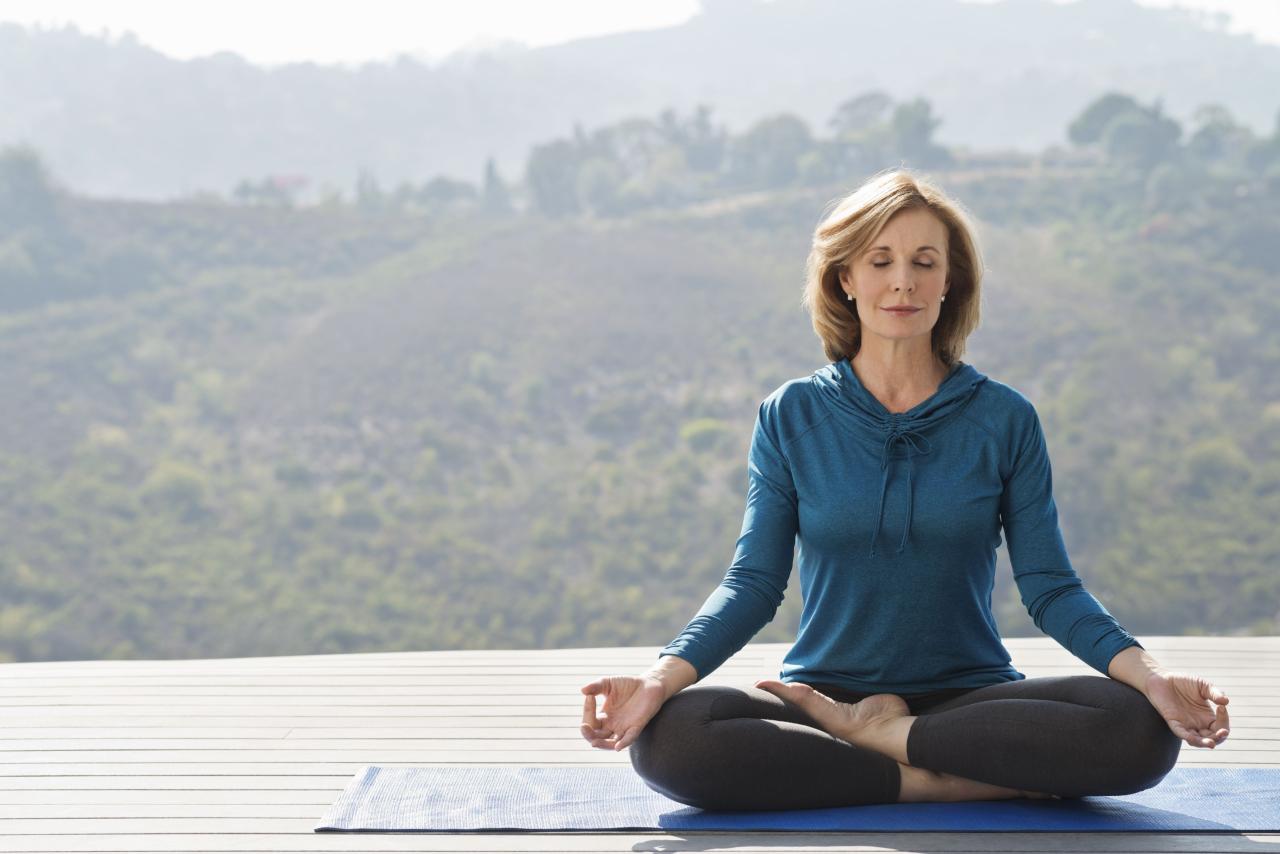
Discovering and tapping into your inner wisdom through meditation involves exploring various techniques tailored to deepen self-awareness, clarity, and insight. Each meditation style offers unique pathways to connect with your inner self, enabling you to access intuitive knowledge, foster emotional balance, and cultivate mindfulness. Choosing the appropriate technique depends on individual preferences, specific goals, and situational contexts, allowing for a personalized approach to inner exploration.
Below, we explore several prominent meditation styles, provide a step-by-step guide for focused attention practices, and present a comparative overview to help you identify the most suitable method for your journey toward inner wisdom.
Mindfulness Meditation
Mindfulness meditation involves paying deliberate, non-judgmental attention to the present moment, including thoughts, sensations, and emotions as they arise. This practice enhances awareness of internal and external experiences, fostering clarity and acceptance, which are essential for accessing inner insights.
- Find a comfortable seated position with your back straight but relaxed.
- Close your eyes gently or keep a soft gaze directed downward.
- Center your attention on your breath, noticing the natural inhalations and exhalations.
- Whenever your mind wanders, gently redirect your focus back to your breath without judgment.
- Practice for 10-20 minutes, gradually increasing duration as comfort develops.
Regular mindfulness practice cultivates a state of heightened awareness, allowing intuitive signals and inner knowing to surface more clearly over time.
Guided Visualization
Guided visualization uses imagery and narrative guidance, often provided through recordings or live instructions, to foster deep relaxation and stimulate inner insight. This technique is particularly effective in unlocking subconscious wisdom and clarifying personal goals or dilemmas.
- Begin by seated or lying down in a quiet, comfortable environment.
- Close your eyes and take several deep, calming breaths.
- Listen carefully to the guiding voice or script, which may direct you to imagine a peaceful place or a symbolic journey.
- Engage with the imagery vividly, employing all your senses to make the experience immersive.
- Allow insights or intuitive impressions to arise naturally during or after the visualization session.
- Conclude the session gradually by returning your awareness to your physical surroundings and opening your eyes.
This method invites your subconscious to communicate through symbolic images and messages, often revealing hidden truths or solutions.
Silent Sitting Meditation
Silent sitting meditation emphasizes stillness and silence, fostering a deep inward focus that facilitates direct contact with inner wisdom. This practice encourages the practitioner to observe thoughts and feelings without attachment or judgment, creating a fertile ground for intuitive insights to emerge.
- Choose a quiet, distraction-free place to sit comfortably.
- Adopt a stable, upright posture to promote alertness.
- Close your eyes or maintain a soft gaze.
- Focus your attention on the sensation of your breath or a specific internal anchor point.
- Allow thoughts to come and go freely without engagement, maintaining a gentle awareness of the present moment.
- Practice for 15-30 minutes, gradually extending as you become more accustomed to the silence.
Sustained periods of silent sitting cultivate inner stillness, allowing intuitive understanding and deep-seated wisdom to surface organically.
Contrast of Meditation Methods, Benefits, and Suitable Contexts
| Method | Benefits | Suitable Contexts |
|---|---|---|
| Mindfulness Meditation | Enhances awareness, emotional regulation, stress reduction, and present-moment clarity. | Daily practice, stress management, emotional resilience building, professional settings requiring focus. |
| Guided Visualization | Stimulates subconscious insights, promotes relaxation, supports goal visualization, enhances creativity. | Therapeutic sessions, goal setting, personal development, overcoming mental blocks. |
| Silent Sitting Meditation | Deepens inner silence, fosters intuitive insights, cultivates patience and mental stability. | Advanced practitioners, contemplative retreats, stress relief, preparatory meditation for insight work. |
Choosing the right technique involves aligning your current needs, personality preferences, and specific goals for inner wisdom. Consistent practice across different styles can also enrich your understanding and experience of inner insights.
Developing Mindfulness and Presence
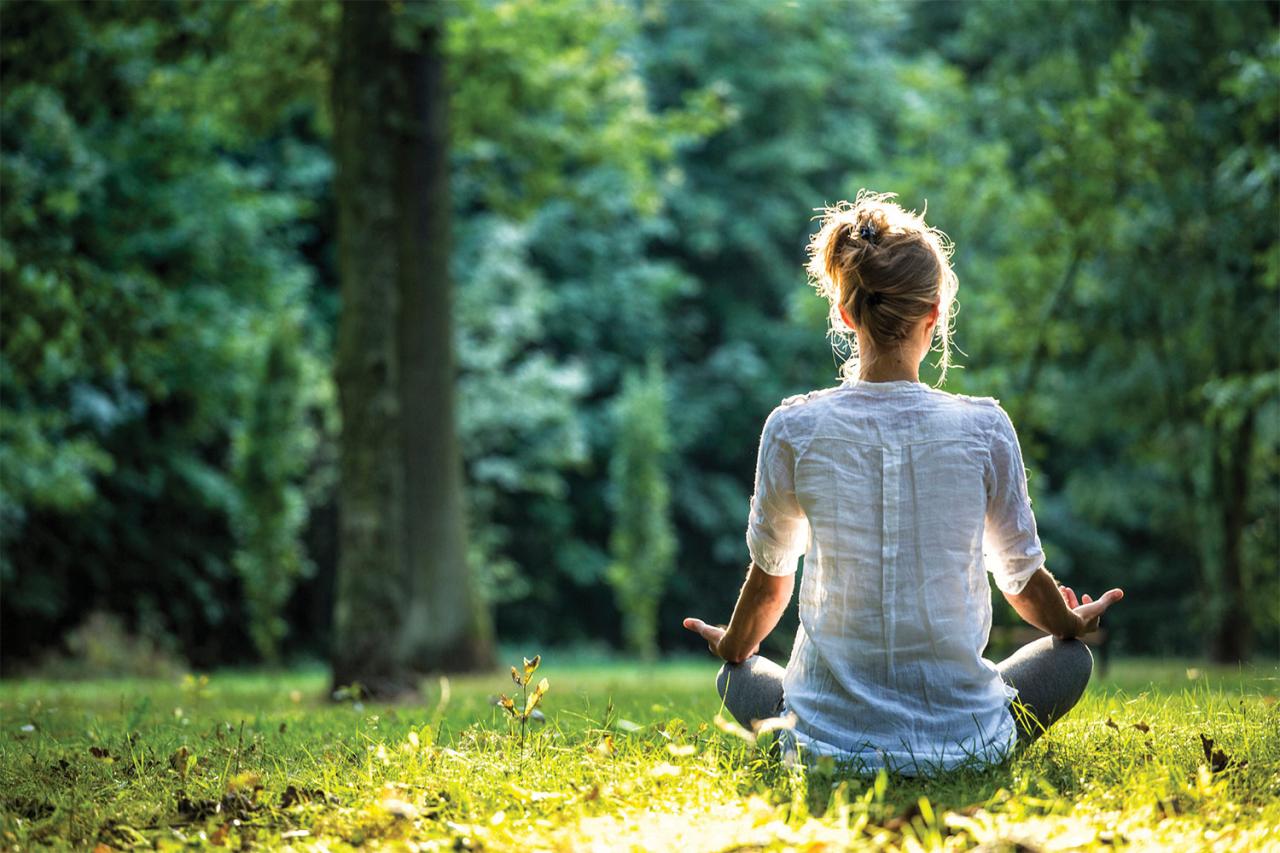
Achieving genuine inner wisdom through meditation hinges significantly on cultivating mindfulness and maintaining a restful presence in each moment. These qualities enable practitioners to observe their inner experiences with clarity and acceptance, fostering a deeper understanding of themselves and their surroundings. Developing a steady state of mindful awareness enhances the effectiveness of meditation and translates into a more attentive and compassionate engagement with everyday life.
By consciously integrating mindfulness practices into daily routines, individuals can strengthen their capacity to remain present amid the distractions and demands of modern existence. This ongoing cultivation supports the emergence of inner clarity, emotional resilience, and a profound sense of connection to the present moment, which are essential for unlocking inner wisdom.
Practices to Cultivate Present-Moment Awareness
Consistent application of specific exercises can significantly deepen one’s ability to stay present and attentive during meditation and throughout daily activities. These practices help in recognizing the fleeting nature of thoughts, emotions, and sensations, allowing a more objective and compassionate awareness to develop.
- Focused Breathing: Engage in breath awareness by paying close attention to the inhalation and exhalation process. Notice the sensation of air entering and leaving the nostrils or the rising and falling of the chest or abdomen. This anchors your awareness and calms the mind.
- Body Scan Meditation: Progressively direct your attention through different parts of your body, observing sensations without judgment. This exercise enhances body awareness and helps ground you in the present.
- Sensory Observation: Deliberately tune into your senses—listen attentively to ambient sounds, observe visual details, or notice tactile sensations such as the feeling of clothing against your skin. This sharpens your perceptual clarity.
- Thought Labeling: When thoughts arise, gently label them as “thinking” or “planning” without attachment. This practice creates distance from mental chatter, fostering a more mindful stance towards inner dialogue.
- Emotion and Thought Awareness: Recognize emotional states or thoughts as they occur, noting their characteristics without trying to suppress or amplify them. This cultivates equanimity and insight into the transient nature of inner experiences.
Deepening Mindfulness Outside Formal Meditation
Extending mindfulness practices beyond designated meditation sessions helps embed present-moment awareness into daily life, enriching the journey toward inner wisdom. These activities serve as ongoing opportunities to refine attentiveness, foster emotional regulation, and develop a compassionate perspective toward oneself and others.
- Mindful Eating: Pay full attention to the sensory experience of eating—taste, texture, aroma, and visual appearance of food—while eating slowly and without distractions. This enhances appreciation and promotes healthier habits.
- Walking Meditation: Practice walking slowly in a quiet environment, focusing on each step, the sensation of contact with the ground, and the movement of your body. This cultivates a steady presence and physical awareness.
- Presence in Conversations: Engage in active listening during interactions, giving full attention to the speaker without planning your response prematurely. This deepens empathy and connection.
- Routine Activities Mindfulness: Perform everyday tasks—such as washing dishes, folding laundry, or gardening—with full awareness of each movement, sensation, and sound involved. This transforms mundane activities into opportunities for mindfulness growth.
- Journaling Reflections: Regularly reflect on your mindfulness experiences and emotional states through journaling. This practice fosters self-awareness and tracks your progress in developing presence.
“Mindfulness is the awareness that arises through paying attention, on purpose, in the present moment, non-judgmentally.” — Jon Kabat-Zinn
Deepening Meditation for Insight and Inner Clarity
Advancing your meditation practice enables a more profound exploration of your inner landscape, fostering clarity and insightful understanding. Techniques designed to deepen meditation cultivate an environment where subconscious patterns, beliefs, and emotions surface naturally, providing the opportunity for meaningful self-awareness and transformation. Engaging in these practices requires patience, openness, and a dedicated focus on inner exploration, ultimately guiding you toward a more authentic and enlightened self-awareness.
By incorporating advanced meditation methods, practitioners can access deeper layers of their consciousness, unveiling hidden truths and gaining clarity on personal challenges, life decisions, or emotional blocks. This process is integral to personal growth, as it allows insights to emerge organically rather than through forced analysis. The following sections detail specific techniques and structured approaches to deepen your meditation for heightened insight and inner clarity.
Guided Inner Exploration Techniques
These techniques involve intentional guidance to navigate your inner feelings, subconscious beliefs, and unresolved emotional patterns. They serve as powerful tools to facilitate insight and foster a compassionate understanding of oneself.
- Body Scan with Emotional Awareness: Begin with a deep body scan, progressively focusing on each area from head to toe. As you observe physical sensations, tune into any emotional responses or memories associated with particular areas. This process helps uncover subconscious emotional patterns linked to physical tension or discomfort.
- Visualization of Inner Space: Envision a safe, expansive space within your mind where all thoughts, feelings, and memories reside. Allow your awareness to gently explore this space without judgment, observing the emergence of specific themes or sensations. This technique fosters a non-reactive observation of your inner world, revealing underlying beliefs and patterns.
- Dialogues with Inner Self: Engage in mental conversations with different parts of yourself—such as your inner child, inner critic, or wise inner guide. Approach these dialogues with curiosity and compassion, asking questions about persistent fears or beliefs. This technique promotes integration and understanding of subconscious elements.
Recognizing and Interpreting Intuitive Messages
During advanced meditation, intuitive insights often manifest subtly, requiring attentiveness and discernment to recognize their significance. A structured process can help interpret these messages effectively, transforming intuitive impressions into meaningful guidance.
- Attentive Observation: Maintain a gentle, non-judgmental awareness of any sudden thoughts, images, or sensations that arise during meditation. These are often the first indicators of intuitive messages. Avoid dismissing or overanalyzing them; instead, acknowledge their presence.
- Ask Clarifying Internal Questions: When an intuitive impression appears, pose internal questions silently—such as “What does this mean for me?” or “How does this relate to my current life situation?” This encourages deeper engagement with the insight.
- Record and Reflect Post-Meditation: After your session, jot down any impressions, images, or feelings that stood out. Over time, review these notes to identify recurring themes or messages that may reveal underlying truths or patterns.
- Validate Through Inner Consistency: Assess the coherence of the messages with your overall sense of truth and intuition. Often, intuitive insights resonate with a sense of clarity or emotional relief. Trust your inner wisdom to discern genuine insights from fleeting thoughts.
“Insights gained through deep meditation often emerge as subtle whispers—listening patiently transforms them into profound revelations.”
By practicing these advanced techniques and cultivating a mindful openness to inner messages, you deepen your capacity for insight and develop a clearer understanding of your inner world. The process encourages ongoing self-discovery, resilience, and personal growth rooted in authentic inner wisdom.
Overcoming Challenges in Meditation
Practicing meditation to enhance inner wisdom can sometimes present obstacles that hinder progress or diminish motivation. Recognizing common challenges and implementing effective strategies is essential for maintaining a consistent and rewarding meditation practice. By addressing these difficulties proactively, practitioners can deepen their experience and unlock the full potential of meditation for inner clarity and insight. Understanding that obstacles such as distraction, impatience, or restlessness are natural parts of the journey allows meditators to develop resilience and patience.
Developing tailored approaches to manage these challenges ensures that meditation remains a beneficial and sustainable practice. The following guidance offers practical techniques and troubleshooting tips to navigate common difficulties encountered during meditation.
Managing Distraction and Wandering Mind
Distraction is one of the most prevalent challenges faced during meditation sessions. The mind tends to drift towards external stimuli or internal thoughts, breaking concentration and reducing the quality of practice. To effectively manage distraction:
- Establish a quiet and dedicated meditation space that minimizes external interruptions.
- Use gentle anchors such as your breath, a mantra, or a visual point to maintain focus.
- Recognize distractions without judgment, gently redirecting attention back to your chosen point of focus.
- Practice shorter sessions initially, gradually increasing duration as your concentration improves.
Addressing Impatience and Frustration
Impatience can arise when progress feels slow or outcomes are not immediately evident. This can lead to frustration, discouraging continued practice. Strategies to cultivate patience include:
- Adopt a mindset of kindness toward yourself, accepting that meditation is a gradual process.
- Set realistic expectations about progress and avoid comparing your journey to others.
- Incorporate mindfulness into daily activities to reinforce patience and presence outside formal practice.
- Celebrate small milestones, such as maintaining focus for a few extra breaths or minutes.
Overcoming Restlessness and Physical Discomfort
Restlessness and physical discomfort often stem from improper posture or excessive tension. To alleviate these issues:
- Use a comfortable, supportive seat or cushion that allows you to sit upright without strain.
- Periodically adjust your posture to relieve tension, especially during longer sessions.
- Incorporate gentle stretching or body scans prior to meditation to relax muscles.
- Practice mindful awareness of bodily sensations, observing discomfort without resistance.
Maintaining Consistency and Motivation
Sustaining a regular meditation routine requires deliberate effort and motivation. To foster consistency:
- Establish a fixed time each day dedicated solely to meditation, making it a non-negotiable part of your schedule.
- Create a meditation space or ritual that signals the beginning of your practice.
- Keep a journal to track your progress, noting improvements and insights gained.
- Join meditation groups or communities for support, encouragement, and shared experiences.
- Remind yourself of the benefits gained from regular practice, reinforcing your commitment.
Troubleshooting Tips for Common Meditation Difficulties
| Difficulty | Possible Causes | Strategies for Resolution |
|---|---|---|
| Feeling sleepy or drowsy | Practicing too late in the day or in an uncomfortable environment | Practice at a consistent, earlier time; ensure proper posture and a well-ventilated space |
| Mind constantly racing | High stress levels or overactive thoughts | Incorporate calming breath techniques; practice body awareness to ground thoughts |
| Difficulty focusing for prolonged periods | Lack of experience or mental fatigue | Shorten sessions; gradually increase duration; use gentle anchors |
| Physical discomfort during meditation | Uncomfortable seating or tension | Adjust posture; use cushions; include gentle stretching beforehand |
| Loss of motivation over time | Lack of visible progress or impatience | Reflect on benefits; set small, achievable goals; vary practice methods |
Reflecting and Journaling After Meditation
Engaging in reflection and journaling after meditation sessions enhances self-awareness and deepens your understanding of the insights gained. This practice allows you to process your experiences with clarity and intentionality, fostering ongoing personal growth and inner wisdom. By dedicating time to capture and analyze your thoughts and feelings, you create a valuable record of your meditation journey that can inform future practice and life choices.Effective reflection and journaling serve as a bridge between moments of meditation and everyday awareness.
They enable you to recognize recurring themes, emotional patterns, and intuitive insights that may not be immediately apparent during the session. Moreover, this habit encourages a self-inquiry process, helping you to explore underlying beliefs and assumptions, thereby cultivating greater inner clarity and emotional resilience.
Techniques for Capturing Insights Gained During Meditation Sessions
Capturing insights effectively requires intentional methods that honor the depth of your experiences. Utilizing various techniques can help you record and reflect on insights with authenticity and precision:
- Immediate Note-Taking: Keep a dedicated journal or digital device nearby to jot down impressions, visuals, or words that arise immediately after meditation, before they fade from memory.
- Voice Recording: Use a voice recorder or smartphone app to verbalize insights if writing feels too cumbersome initially. This method captures nuances and emotional tones more vividly.
- Structured Reflection Prompts: Employ specific questions or prompts to direct your journaling, such as “What emotions surfaced?” or “What intuitive guidance did I receive today?”
- Creative Expression: Incorporate drawings, symbols, or poetry to represent insights that words may not fully capture, enriching your reflective process.
Organizing Self-Inquiry and Clarity Through Journaling
Organized journaling enhances self-inquiry by providing clarity and tracking progress over time. Structuring your journal entries with consistency helps identify patterns and deepen understanding. Consider adopting the following practices:
- Daily Reflection Entries: Dedicate a specific time each day to write about your meditation experiences, focusing on emotional states, revelations, and lingering questions.
- Themed Journals: Segment your journal into themes such as gratitude, challenges, or breakthroughs to explore different aspects of inner wisdom systematically.
- Progress Logs: Maintain tables or charts that record the frequency, duration, and types of meditation, alongside insights gained, to visualize your growth trajectory.
- Insight Mapping: Use mind maps or diagrams to connect various insights, noticing how different experiences interrelate and contribute to your overall understanding.
Examples of Reflective Questions and Tracking Table Layouts
Incorporating thoughtful questions and organized tables into your journaling routine can significantly enhance your self-inquiry process:
Reflective questions serve as catalysts for deeper exploration, guiding you to uncover subtle truths and insights.
Examples of reflective questions include:
- What was the dominant emotion or thought during meditation today?
- Did any recurring themes or symbols emerge?
- What new understanding or perspective did I gain about myself or my life?
- How do I feel after the session compared to before?
- What challenges did I encounter, and how did I respond?
Organizing your insights using tables can facilitate tracking and analysis over time. An example layout might include columns for date, meditation duration, technique used, insights or revelations, emotional state, and follow-up actions:
| Date | Technique | Insights | Emotional State | Follow-up Actions |
|---|---|---|---|---|
| 2024-04-21 | Mindfulness breathing | Noticed a recurring feeling of anxiety, acknowledged it without judgment | Calm, slightly anxious | Practice grounding exercises during the day |
| 2024-04-22 | Body scan meditation | Realized tension in shoulders linked to work stress; visualized releasing it | Relaxed, centered | Schedule brief stretches during work hours |
Consistent reflection and journaling cultivate a deeper dialogue with your inner self, transforming meditation from a transient experience into a sustained journey of awakening and wisdom.
Conclusive Thoughts
Incorporating meditation into your routine not only enhances your inner wisdom but also nurtures ongoing self-discovery and emotional balance. Embrace this practice as a lifelong journey towards greater insight, calmness, and fulfillment.