Discovering how to meditate for achieving mental stillness and silence opens the door to profound tranquility and clarity. In a world filled with constant noise and distraction, mastering meditation techniques offers a pathway to inner peace that can transform daily life. This practice, rooted in centuries of cultural and spiritual traditions, provides practical benefits such as reduced stress, enhanced focus, and emotional balance.
Understanding the significance of cultivating mental stillness is the first step toward experiencing a calmer mind and a more centered existence.
Introduction to Meditation for Mental Stillness and Silence
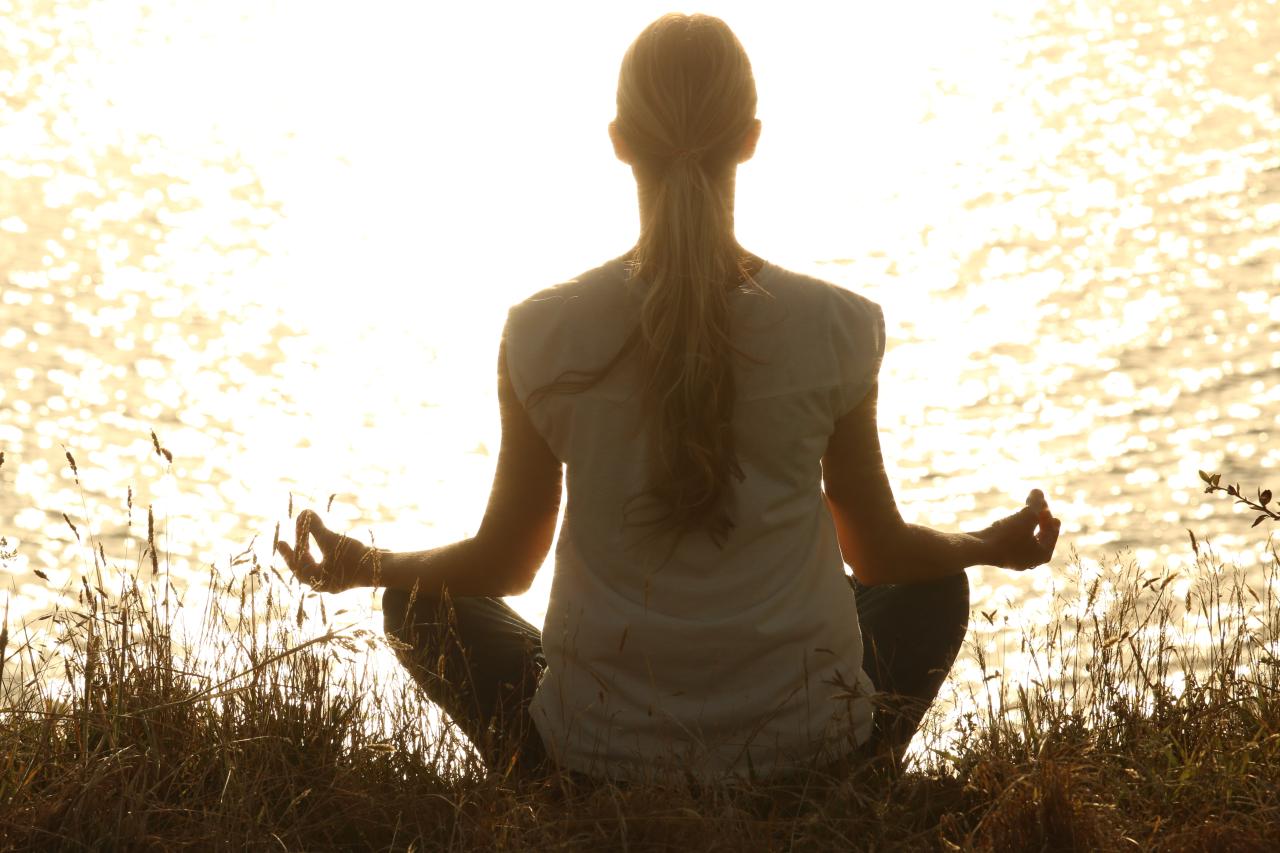
Mental stillness and silence are vital components of overall well-being, serving as keys to achieving clarity, focus, and inner peace amidst the chaos of modern life. In a world filled with constant noise, distractions, and information overload, cultivating a calm and quiet mind becomes increasingly essential for maintaining emotional balance and mental health. Meditation offers a practical and accessible means to foster this tranquility, enabling individuals to experience moments of profound peace regardless of external circumstances.
Throughout history and across cultures, meditation practices have been employed to attain mental clarity and spiritual insight. Ancient traditions such as Buddhism, Hinduism, Taoism, and even Christian contemplative practices have emphasized the importance of stilling the mind to reach higher states of awareness. These practices, often rooted in centuries-old philosophies, have evolved into various modern techniques designed to help practitioners quiet their thoughts, reduce stress, and develop a deeper understanding of themselves.
The universal appeal of meditation underscores its effectiveness as a timeless tool for enhancing mental serenity and cultivating an enduring sense of silence within.
Significance of Mental Stillness and Silence in Daily Life
Achieving mental stillness and silence is fundamental to managing daily stressors, improving concentration, and fostering emotional resilience. When the mind is calm and free from incessant chatter, individuals can approach challenges with greater clarity and patience. This mental state also promotes better decision-making, enhances creativity, and elevates overall mood. Furthermore, cultivating silence within oneself allows for greater self-awareness and a deeper connection with one’s inner values and purpose, leading to a more meaningful and balanced life.
Benefits of Meditation in Achieving Mental Tranquility
Meditation provides numerous benefits that directly contribute to mental stillness and silence. Regular practice can significantly reduce anxiety and depressive symptoms by calming the nervous system and decreasing cortisol levels. It also improves focus and concentration by training the mind to stay anchored in the present moment, thereby reducing rumination and mental wandering. Additionally, meditation fosters emotional regulation, resilience against stress, and a sense of inner stability.
Over time, practitioners often report experiencing moments of profound silence, clarity, and a deeper sense of peace that permeate their daily experiences.
Historical and Cultural Context of Meditation Practices
Historically, meditation has been an integral part of spiritual and religious traditions worldwide. In ancient India, meditation was central to Hindu practices, with texts like the Upanishads advocating for the pursuit of inner quietude as a path to spiritual enlightenment. Buddhism, emerging around the 5th century BCE, further systematized meditation techniques such as mindfulness and concentration exercises to attain nirvana and mental clarity.
Similarly, Taoist traditions emphasized stillness and harmony with nature through meditative practices aimed at balancing internal energies. Christian contemplative prayer and Sufi whirling are examples of how meditation-like practices have been used across diverse religious frameworks to foster divine connection and inner peace. These rich historical backgrounds highlight meditation’s universal importance as a tool to achieve mental stillness and spiritual insight, adapting over centuries to serve the evolving needs of practitioners worldwide.
Preparing for Meditation Practice
Creating an optimal environment and establishing a calming routine are fundamental steps in preparing for effective meditation. These measures help to cultivate mental clarity, reduce external distractions, and foster a sense of tranquility that enhances the depth of meditation sessions. Proper preparation ensures that the practitioner can seamlessly transition into a state of mindfulness, allowing for a more profound experience of mental stillness and silence.
By thoughtfully arranging the physical setting, selecting appropriate tools, and adopting a pre-meditation routine, individuals can significantly improve their ability to attain and sustain a peaceful mind during meditation. This preparation sets the foundation for a consistent and rewarding practice, ultimately leading to greater mental clarity and inner calmness.
Creating a Peaceful Environment
Establishing a space dedicated to meditation is crucial for fostering concentration and relaxation. An environment free from disturbances and clutter enables the mind to settle more easily into its natural state of stillness. Consider the following steps to craft an ideal meditation setting:
- Choose a quiet, private location away from noisy appliances, traffic, or household interruptions.
- Ensure the space is well-ventilated, with fresh air circulating to promote alertness and comfort.
- Maintain a clean, uncluttered area to minimize visual distractions and promote a sense of order and serenity.
- Use soft lighting or natural sunlight to create a calming atmosphere. Dimming harsh lights or using candles can enhance relaxation.
- Incorporate elements of nature, such as plants, stones, or water features, to foster a connection with the natural world and deepen your sense of peace.
Necessary Tools and Accessories
Equipping your meditation space with specific tools can support focus, comfort, and consistency. While not mandatory, the following items can significantly enhance your practice:
| Tool/Accessory | Description and Benefits |
|---|---|
| Cushion or Meditation Mat | Provides comfortable seated support, promoting proper posture and reducing physical discomfort during extended sessions. |
| Timer or Meditation App | Helps set clear duration goals, preventing the need to check time constantly and allowing full immersion without interruption. |
| Ambient Sounds or Music | Soft, calming sounds such as nature recordings or gentle music can mask distracting noises and deepen relaxation. |
| Incense or Essential Oils | Using pleasant aromas can help create a soothing atmosphere and enhance the overall sensory experience of meditation. |
| Breath or Mantra Beads | Tools like mala beads assist in counting breaths or repetitions, fostering focus and mindfulness. |
Organizing a Pre-Meditation Routine
A consistent pre-meditation routine prepares the mind and body, signaling the transition into a state of mindfulness. This routine should be simple yet effective in calming and centering you before meditation:
- Physical Relaxation: Engage in gentle stretching or deep breathing exercises to release muscle tension and promote relaxation.
- Clearing the Mind: Spend a few moments in silence or perform a brief mindfulness exercise to shift focus inward and detach from external concerns.
- Setting Intentions: Clearly articulate your purpose for meditation, such as seeking mental clarity or emotional balance, which helps foster focus and motivation.
- Closing External Distractions: Turn off electronic devices, silence notifications, and inform others of your dedicated meditation time to prevent interruptions.
- Creating a Ritual: Light a candle, arrange your cushions, or perform a short affirmation to mark the beginning of your practice, reinforcing a sense of sacredness and commitment.
Implementing these preparatory steps ensures a conducive environment and mindset, ultimately leading to more effective meditation sessions that deepen your journey toward mental stillness and silence.
Techniques for Achieving Mental Stillness
Attaining mental stillness is a fundamental goal of meditation, as it allows the practitioner to quiet the mind, reduce mental clutter, and foster a state of inner calm. Different meditation methods offer various paths to this state, each utilizing unique approaches and focusing on specific aspects of awareness. Understanding these techniques enables individuals to choose methods that resonate with their preferences and needs, thereby enhancing their meditation practice.
By exploring techniques such as focused attention, breath awareness, and body scan, practitioners can develop versatile skills to cultivate mental stillness. Each method involves specific steps designed to anchor the mind and gradually reduce mental noise, leading to a profound sense of silence and clarity within. The following sections detail these techniques with clear, step-by-step procedures, complemented by a comparison table highlighting their distinctive features and benefits.
Focused Attention Meditation
Focused attention meditation involves directing the mind’s focus to a single object or point of concentration, such as a candle flame, a mantra, or an external sound. This technique trains the mind to stay engaged with one element, reducing distractions and fostering deep concentration. Consistent practice can lead to increased mental clarity and stillness.
- Find a comfortable seated position and close your eyes if preferred.
- Select a focal point—such as a specific word (mantra), a visual object, or a sound.
- Begin to pay close attention to this object, observing its qualities without judgment or analysis.
- If your mind wanders, gently redirect your attention back to the focal point without frustration.
- Practice for 10–15 minutes, gradually increasing duration as comfort develops.
Breath Awareness Meditation
Breath awareness is a foundational meditation technique that anchors the mind by focusing on the natural rhythm of breathing. It helps cultivate present-moment awareness and calms mental chatter, leading to mental stillness and relaxation.
- Sit comfortably with your back straight and close your eyes.
- Take a few deep breaths to settle into the practice.
- Shift your attention to the sensation of your breath as it enters and leaves your nostrils or the rise and fall of your chest or abdomen.
- Maintain gentle focus on this sensation, noticing each inhale and exhale without controlling the breath.
- If your mind drifts, acknowledge the distraction and softly bring your focus back to your breath.
- Continue for at least 10 minutes, gradually extending the duration as you gain comfort.
Body Scan Meditation
The body scan technique promotes relaxation and mental stillness by systematically bringing awareness to different parts of the body. This practice helps release tension and cultivate a deep sense of presence, contributing to a tranquil mind.
- Lie down or sit comfortably in a quiet space.
- Close your eyes and take a few deep, calming breaths.
- Begin by directing your attention to your toes, noticing any sensations without judgment.
- Gradually move upward through the body—feet, legs, abdomen, chest, arms, neck, and head—pausing at each area to observe sensations, tension, or discomfort.
- At each step, breathe into any areas of tightness and consciously relax those muscles.
- Complete the scan by bringing awareness to your entire body, experiencing a unified sense of presence and calm.
Comparison of Meditation Techniques
| Technique | Focus Point | Primary Benefit | Ideal For |
|---|---|---|---|
| Focused Attention | A single object, mantra, or external sound | Enhances concentration and mental clarity | Beginners seeking to build focus |
| Breath Awareness | The sensation of breathing | Reduces stress, cultivates present-moment awareness | Practitioners wanting a simple, accessible method |
| Body Scan | Different parts of the body | Relieves tension, deepens mindfulness, relaxes mind | Individuals experiencing physical or mental tension |
Cultivating Silence in the Mind
Achieving mental stillness through meditation requires a conscious effort to cultivate silence within the mind. This process involves observing the natural flow of thoughts, minimizing distractions, and creating an environment where mental chatter diminishes progressively. Developing this inner silence enhances focus, promotes relaxation, and deepens the meditative experience, allowing practitioners to access higher states of awareness and tranquility.
By intentionally fostering silence, meditators learn to detach from incessant mental noise and cultivate a peaceful inner space. This practice not only supports the stabilization of attention but also opens avenues for insights, emotional balance, and spiritual growth. The following methods and practices serve as effective tools to observe, reduce, and ultimately cultivate silence in the mind.
Methods to Observe and Reduce Mental Chatter and Distractions
Reducing mental chatter entails awareness and gentle observation of the flow of thoughts without attachment or judgment. This process helps identify recurring patterns or triggers that cause distraction, enabling practitioners to consciously let go of unnecessary mental activity. The key methods include:
- Mindful Observation: Paying close attention to thoughts as they arise, noting their presence without engaging or reacting to them. This cultivates a non-judgmental awareness that gradually diminishes the power of mental chatter.
- Breath Awareness: Focusing on the sensation of the breath provides a stable anchor, helping to divert attention away from distracting thoughts and fostering a calm, centered mind.
- Progressive Detachment: Recognizing thoughts as transient mental events, rather than facts or personal truths, reduces their impact and diminishes repetitive mental noise.
- Creating a Quiet Environment: Minimizing external stimuli—such as noise, interruptions, or clutter—further supports mental clarity and reduces sensory distractions that contribute to mental chatter.
Regular practice of these methods enhances the ability to notice mental disturbances and gently guide the mind back to silence, creating a sanctuary of calm within.
Role of Mantra Repetition and Visualization in Fostering Silence
Mantra repetition and visualization serve as powerful techniques to facilitate mental silence by providing a focused point of attention, which naturally diminishes wandering thoughts. These practices create a unifying mental activity that overrides the persistent flow of unrelated thoughts, helping the mind settle into a quieter state.
Repeating a mantra—an sacred sound, word, or phrase—acts as a rhythmic anchor that keeps the mind engaged in a singular mental process. The repetitive nature of a mantra induces a meditative rhythm that promotes relaxation and reduces internal chatter. Similarly, visualization involves imagining a serene scene or symbol with vivid detail, redirecting mental energy away from distraction towards a clear mental image.
“The steady repetition of a mantra or visualization acts as a mental placeholder, quieting the mind by anchoring awareness in a single, unchanging object.”
Examples include silently repeating a traditional mantra like “Om” or “Shanti” during meditation, or visualizing a tranquil lake or a glowing light. These practices deepen concentration, create a sense of inner calm, and foster an environment where mental silence naturally develops over time.
Examples of Silent Meditation Practices and Their Specific Benefits
Engaging in silent meditation practices emphasizes the cultivation of inner stillness without active verbalization or deliberate mental activity. These practices help develop a profound sense of calm, clarity, and insight, often practiced in dedicated sessions or as part of daily routines.
- Silent Sitting Meditation: Sitting comfortably with eyes closed or softly open, focusing inwardly on breath, bodily sensations, or a chosen point of attention, allowing thoughts to arise and pass without interference. This deepens awareness of mental processes and nurtures silence.
- Choiceless Awareness: Practicing open awareness without focusing on any specific object, simply observing whatever arises in the mind and body. This approach encourages a natural settling of mental activity into silence, fostering acceptance and non-reactivity.
- Walking Meditation in Silence: Walking slowly and mindfully in a quiet space, paying attention to each step and the sensations involved. This form promotes active yet peaceful engagement with movement, supporting mental clarity and stillness.
- Silent Retreats or Periods of Abstinence from Speech: Participating in structured silence, such as retreats, enhances the experience of mental quietude by eliminating external noise and internal chatter, allowing the practitioner to immerse fully in the meditative state.
These silent practices serve as effective methods for cultivating profound mental stillness. They allow for heightened awareness of mental patterns, facilitate emotional regulation, and deepen the experience of inner peace, making silence an accessible and sustainable aspect of meditative discipline.
Enhancing Meditation Duration and Consistency
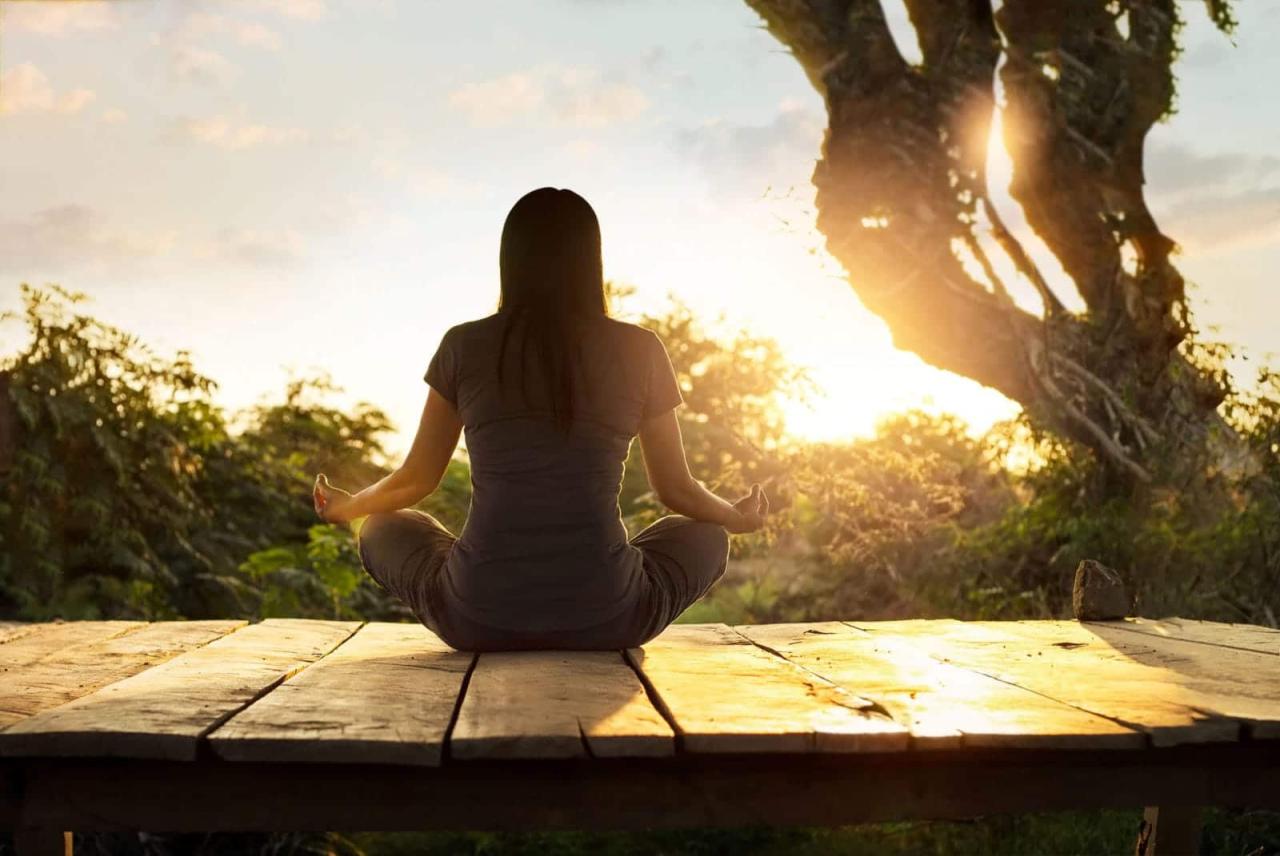
Achieving mental stillness and silence through meditation is a gradual process that benefits significantly from increased duration and regular practice. As practitioners become more accustomed to their meditation routines, extending the time spent in each session and maintaining consistency can deepen the experience and foster lasting benefits. Developing a sustainable practice requires mindful planning, motivation, and awareness of common obstacles that might hinder progress.Consistent meditation not only cultivates mental clarity but also reinforces positive habits that support overall well-being.
By gradually increasing meditation duration and establishing a reliable routine, practitioners can unlock greater depths of calmness and inner silence, paving the way for profound personal growth and mental resilience.
Organizing a Schedule for Gradual Increase in Meditation Time
Creating a structured and flexible schedule is essential for progressive enhancement of meditation duration. Starting with manageable sessions allows the mind to adapt without feeling overwhelmed. For example, beginners might begin with 5-10 minute sessions and incrementally extend these by 2-5 minutes every week, based on comfort and familiarity.A practical approach involves setting specific times each day—preferably during early mornings or evenings when distractions are minimized.
Maintaining a meditation journal can help track progress, note sensations, and adjust durations based on personal capacity. Over time, this structured increase fosters discipline, while also respecting individual limits, leading to sustainable longer sessions.
Tips for Maintaining Motivation and Establishing a Daily Routine
Sustaining motivation and integrating meditation into daily life requires conscious effort and positive reinforcement. Setting clear intentions about the purpose of meditation, such as cultivating peace or enhancing mental clarity, can strengthen commitment. Additionally, creating a dedicated meditation space—quiet, comfortable, and free from interruptions—supports consistency.Incorporating reminders, such as alarms or visual cues, can help establish a habitual routine. Practitioners should also celebrate small milestones, acknowledging progress to reinforce dedication.
Connecting with meditation groups or communities provides additional encouragement and accountability, fostering a sense of shared purpose and support.
Common Obstacles and Solutions for Consistent Practice
Consistency in meditation practice can be challenged by various obstacles. Recognizing these hurdles and implementing strategies to overcome them is vital for ongoing progress. The following list Artikels common issues alongside practical solutions:
“Awareness of obstacles enables proactive approaches to maintain a steady meditation routine.”
- Obstacle: Lack of time due to busy schedules
Solution: Shorten sessions initially, such as 5-minute mini-meditations, and gradually increase as time permits. Prioritize meditation as a daily appointment. - Obstacle: Distractions or interruptions during practice
Solution: Choose a quiet, dedicated space and inform others of your practice time to minimize disturbances. - Obstacle: Loss of motivation or skipping sessions
Solution: Set specific goals and track progress. Use meditation apps or reminders to reinforce routine. - Obstacle: Physical discomfort or restlessness
Solution: Adjust posture for comfort, incorporate gentle stretching before meditation, and practice patience with restless thoughts. - Obstacle: Negative self-perceptions or impatience for results
Solution: Embrace meditation as a journey rather than a destination. Practice self-compassion and focus on the process rather than outcomes.
Overcoming Common Challenges During Meditation
Embarking on a meditation practice often presents certain hurdles that can impede progress and diminish the experience of mental stillness. Recognizing and effectively addressing these challenges is essential for cultivating a consistent and fulfilling meditation routine. Common obstacles such as wandering thoughts and impatience can be managed with mindful strategies, allowing practitioners to deepen their concentration and achieve greater mental clarity over time.
By understanding and implementing specific techniques, meditators can gently navigate through distractions, foster patience, and enhance their overall practice. This process not only aids in developing resilience during meditation but also translates to increased mindfulness in daily life, supporting overall well-being and mental tranquility.
Handling Wandering Thoughts and Impatience
One of the most prevalent challenges faced during meditation is the tendency of the mind to drift away into unrelated thoughts, accompanied by feelings of impatience or frustration when focus is lost. Addressing these issues requires a compassionate and strategic approach to maintain harmony with the natural flow of the mind.
Practitioners should recognize wandering thoughts as a normal part of the meditation process and approach them with patience. When thoughts arise, gently acknowledge them without judgment and softly redirect attention back to the chosen point of focus, such as the breath or a mantra. This gentle redirection reinforces mindfulness without fostering self-criticism or irritation.
Techniques to Deepen Concentration and Mental Clarity
Deepening concentration involves cultivating a stable and focused mental state, which enhances clarity and reduces susceptibility to distractions. Employing specific techniques can significantly improve the quality of meditation sessions and foster a sense of inner stillness.
One effective method is to anchor attention on a single, simple object or sensation, such as the natural rhythm of breathing or a visualized image. Regularly returning the focus to this anchor strengthens mental discipline. Additionally, practicing breath awareness with slow, deliberate inhalations and exhalations can calm the nervous system and sharpen concentration.
Progressively increasing meditation duration, while maintaining gentle focus, helps the mind become accustomed to sustained attention, leading to more profound states of mental stillness over time.
Procedural Tips to Gently Redirect Focus Without Frustration
Developing the skill to redirect attention smoothly is fundamental in overcoming frustration that may arise from losing focus. This approach encourages a non-judgmental attitude towards distraction, fostering patience and perseverance.
Practitioners should employ a mindful awareness of the moment when their mind wanders. Instead of reacting with self-criticism, gently acknowledge the distraction with a phrase like,
“This is a natural part of the process.”
and then softly guide the focus back to the meditation object. Maintaining a calm and compassionate attitude prevents frustration from escalating and sustains the meditative flow.
Consistency in applying these procedural steps enhances mental resilience, making it easier to sustain attention over longer periods and achieve deeper states of mental stillness and silence.
Deepening the State of Stillness
Achieving a profound level of mental stillness often requires advanced meditative practices that cultivate greater inner silence and stability. Building upon foundational techniques, these practices aim to deepen the meditative experience, allowing the practitioner to access a more sustained and profound state of tranquility. This stage is essential for those seeking to transcend superficial quietude and attain a more enduring sense of mental clarity and peace.Attaining deep stillness involves refining both physical and mental aspects of meditation.
By integrating practices such as silent sitting and walking meditation, practitioners can enhance their ability to sustain silence and develop a more refined awareness of their inner environment. These advanced techniques foster a heightened sense of presence, enabling a more effortless immersion into stillness that can last for extended periods.
Silent Sitting and Walking Meditation
Both silent sitting and walking meditation serve as powerful tools for deepening mental stillness. These practices emphasize minimal movement and silent awareness, allowing the practitioner to maintain a state of calm focus that extends beyond superficial mind chatter. Silent sitting involves seated meditation with an emphasis on observing the breath and bodily sensations without distraction, fostering a sustained internal silence.
Walking meditation, on the other hand, incorporates mindful movement, where each step is taken with deliberate awareness, anchoring the mind in the present moment.The importance of these advanced practices lies in their ability to cultivate a continuous sense of presence and calmness. Silent sitting allows for prolonged periods of inward focus, reducing external stimuli and internal noise. Walking meditation complements this by integrating mindfulness into movement, which can help prevent the mind from becoming restless or distracted during extended periods of silence.
Posture and Breathing for Sustained Stillness
Establishing correct posture and harmonious breathing patterns are critical elements in maintaining deep stillness during meditation. Proper posture ensures physical stability, minimizes discomfort, and allows for optimal energy flow, which supports sustained mental silence. A straight, upright spine with relaxed shoulders and an open chest promotes alertness while remaining relaxed, preventing physical tension that can disturb mental calm.Breathing plays a vital role in anchoring the mind and stabilizing the meditative state.
Deep, slow, diaphragmatic breathing helps regulate the nervous system, reducing stress and fostering a sense of relaxation. The rhythm of breath serves as an anchor, guiding the practitioner into a more profound state of quietude. Consistently focusing on the breath during advanced practices can deepen the experience of stillness, making it more accessible and enduring.
Creating a Personalized Meditation Session Focused on Silence
Designing a meditation session tailored to deepen silence involves thoughtful planning and personalization based on individual preferences and needs. Start by selecting a quiet, comfortable environment free from interruptions. Set a clear intention to cultivate silence and stillness, and choose the appropriate duration based on experience level.Begin with a few minutes of gentle posture adjustment, ensuring comfort and alertness. Incorporate slow, diaphragmatic breathing to settle the mind and body.
Transition into silent sitting or walking, maintaining awareness of breath and bodily sensations. Use mental cues or anchors, such as silently repeating a calming phrase or focusing solely on the natural rhythm of breath, to sustain attention. Incorporate periodic pauses to check physical comfort and mental state, adjusting posture and breathing as needed.For personalization, include elements such as soft background sounds if they support concentration, or specific focus points like a visual object or internal sensation that facilitates deeper silence.
End the session gradually with gentle awareness exercises, allowing the sense of stillness to integrate into daily life. Regular practice of this tailored approach can significantly enhance the depth and duration of mental stillness, fostering a sustainable meditative habit grounded in silence and inner peace.
Incorporating Mindfulness Beyond Meditation

Maintaining mental stillness and a silent mind extends beyond dedicated meditation sessions into everyday life. Integrating mindfulness into daily activities helps uphold the calm, clarity, and focus cultivated during meditation, enabling a more balanced and present approach to each moment. This practice supports the development of a resilient mental state that remains centered amidst life’s inevitable distractions and challenges.Practicing mindfulness outside formal meditation sessions nurtures continuous awareness, fostering an environment where mental silence can flourish effortlessly.
By consciously bringing attention to the present moment during routine activities, individuals can sustain the sense of stillness and tranquility throughout the day. This holistic approach transforms mindfulness from a periodic activity into a pervasive lifestyle, strengthening mental resilience and emotional stability.
Mindful Engagement in Daily Activities
Engaging in routine activities with full awareness enhances mental stillness by grounding the mind in the present. When performing tasks such as eating, walking, or even washing dishes, consciously focus on the sensory experiences involved—such as the textures, smells, sounds, and movements. This deliberate attention diminishes mental clutter and prevents the mind from wandering into distractions or worries.For example, during a simple walk in nature, pay close attention to the sensation of the ground beneath your feet, the sounds of chirping birds, and the breeze on your skin.
Instead of letting your mind drift to plans or concerns, anchor your awareness in these sensory inputs. This practice cultivates a calm, attentive state, promoting a sense of inner silence that persists beyond the activity itself.
Mindfulness Exercises for Sustained Calm
Consistent exercises can help maintain a calm and silent mind throughout the day. These practices are designed to be brief yet effective, fitting seamlessly into daily routines to reinforce mental stillness.
- Breath Awareness Check-ins: Periodically pause for a few moments to observe your breath. Focus on the inhalation and exhalation, noticing the rhythm and sensation without trying to change it. This simple exercise acts as an anchor, returning your focus to the present and calming the nervous system.
- Body Scan During Transitions: Use moments like waiting in line or transitioning between tasks to perform a quick body scan. Notice tension or discomfort and consciously relax those areas, fostering physical and mental relaxation.
- Mindful Listening: Engage in active listening during conversations or while listening to sounds around you. Focus entirely on the soundscape—be it conversations, music, or natural sounds—without judgment or analysis. This enhances auditory awareness and quiets the mind’s chatter.
Establishing Mindful Routines
Creating structured routines centered around mindfulness integrates mental stillness into daily life effortlessly. These routines serve as reminders to maintain awareness and cultivate serenity.
“Consistency in mindfulness practices creates a fertile environment for lasting mental silence and resilience.”
- Morning Mindfulness Rituals: Start the day with a few minutes of mindful breathing or gratitude reflection. Sit quietly, focus on the breath, and set an intention to remain present throughout the day.
- Mindful Breaks: Schedule short mindfulness pauses during work or daily chores. Use these moments to take deep breaths, observe your surroundings, or perform a quick body scan, re-centering your focus.
- Evening Reflection: End the day with a mindful reflection on moments of calm or challenge, noting feelings and sensations without judgment. This promotes awareness and prepares the mind for restful sleep and continued serenity.
Supporting Mental Stillness Through Consistent Practice
By embedding these mindful routines and exercises into daily life, you reinforce the mental stillness cultivated during meditation. Over time, this continuous awareness helps develop a resilient mental state that naturally gravitates toward silence and calm, even amid chaos or stress. Recognizing the importance of everyday mindfulness transforms it from a supplementary activity into a core aspect of mental well-being, fostering a peaceful, present, and centered life.
Last Point
In conclusion, integrating meditation into daily routines enables us to attain lasting mental stillness and silence. By adopting effective practices, overcoming common challenges, and extending mindfulness beyond formal sessions, we can create a more peaceful and balanced life. Embracing these techniques fosters not only inner tranquility but also a deeper connection with ourselves and the world around us, enriching our overall well-being.