Discovering how to meditate effectively can serve as a transformative step toward embracing a more mindful lifestyle. This practice not only cultivates inner peace but also enhances overall well-being in various aspects of life. By integrating meditation into daily routines, individuals can experience profound benefits that influence their physical health, mental clarity, emotional stability, and spiritual growth.
This guide offers comprehensive insights into preparing for meditation, exploring different techniques, establishing consistent routines, and incorporating mindfulness into everyday activities. Whether you are a beginner or seeking to deepen your practice, this overview aims to equip you with the knowledge to unlock the full potential of mindfulness through meditation.
Introduction to Meditation for a Mindful Lifestyle
Meditation has become a foundational practice for those seeking a more balanced, aware, and fulfilling life. Recognized across cultures and traditions, it serves as a powerful tool to cultivate mindfulness—an intentional awareness of the present moment without judgment. Integrating meditation into daily routines fosters a deeper connection with oneself and the environment, promoting holistic well-being across various aspects of life.
By establishing a regular meditation practice, individuals can experience a range of benefits that enhance their physical health, mental clarity, emotional stability, and spiritual growth. These advantages not only improve daily functioning but also contribute to long-term resilience and inner peace, making meditation an essential component of a mindful lifestyle.
Benefits of Integrating Meditation into Daily Routines
Incorporating meditation into everyday life yields comprehensive benefits that positively influence various dimensions of health and well-being. These benefits are often experienced cumulatively, as consistent practice helps in building mental clarity, emotional balance, and physical vitality.
| Physical Impacts | Mental Impacts | Emotional Impacts | Spiritual Impacts |
|---|---|---|---|
|
|
|
|
“Regular meditation practice acts as a catalyst for transforming overall well-being, nurturing the body, mind, and spirit in harmony.”
Preparing for Meditation Practice

Establishing a suitable environment and mindset before beginning meditation significantly enhances the effectiveness and depth of your practice. Proper preparation helps to minimize distractions, foster relaxation, and create a space that invites mindfulness. By thoughtfully arranging your surroundings and gathering essential tools, you set a foundation that supports consistent and meaningful meditation sessions.
Preparation involves both physical arrangements and mental readiness. It is crucial to cultivate an environment that is calm, comfortable, and free from interruptions. Additionally, having a few key items on hand can facilitate focus and comfort, especially for beginners. Implementing a simple checklist ensures that you are fully prepared before each session, allowing you to enter your practice with clarity and intention.
Creating a Conducive Environment for Meditation
Designing a serene space is vital for effective meditation. Focus on lighting, seating, and ambient sounds to establish an atmosphere that promotes relaxation and concentration. Adequate lighting should be soft and calming, avoiding harsh or bright lights that can cause discomfort or distraction. Natural light is preferable, but if unavailable or impractical, warm, dimmable lamps or candles create a tranquil ambiance.
Seating arrangements should prioritize comfort and stability. Use supportive cushions, meditation benches, or chairs that allow you to sit upright with a relaxed posture. Ensure your chosen spot is quiet, with minimal background noise. Introducing ambient sounds, such as gentle nature sounds, white noise, or soft instrumental music, can help mask disruptive noises and deepen your focus. These elements collectively create a sanctuary conducive to inward exploration and mindfulness.
Essential Tools and Props for Meditation
Having certain tools and props on hand can enhance your meditation experience by supporting physical comfort and mental focus. Below is a list of commonly used items that beginners and seasoned practitioners alike find beneficial:
- Meditation cushion or zafu: Provides elevation and support, allowing for a comfortable seated posture.
- Comfortable clothing: Loose, breathable garments help maintain relaxation without physical constraints.
- Blanket or shawl: Keeps you warm during longer sessions, especially in cooler environments.
- Timer or meditation app: Assists in timing your practice without the need to check clocks frequently.
- Incense or essential oils: Creates a calming aroma that can help set a mindful mood.
- Water bottle: Keeps hydration accessible, especially during longer sessions.
Pre-Meditation Readiness Checklist
To ensure optimal preparation before each meditation session, consider this simple checklist. It helps to cultivate consistency and mental clarity, ensuring you dedicate focused time to your practice.
- Choose a quiet, clutter-free space where interruptions are unlikely.
- Adjust the lighting to a soft, calming level.
- Wear comfortable, loose-fitting clothing.
- Arrange necessary props such as cushions, blankets, or chairs.
- Set a timer or prepare your meditation app to avoid checking the clock during practice.
- Ensure ambient sounds or silence align with your preference for focus.
- Take a few deep breaths to center yourself and clear your mind.
- Dim the environment further if needed, to foster a sense of tranquility.
Adopting this preparatory routine helps transition smoothly into meditation, minimizing external distractions and fostering a mental state conducive to mindfulness and inner calm.
Techniques for Meditation
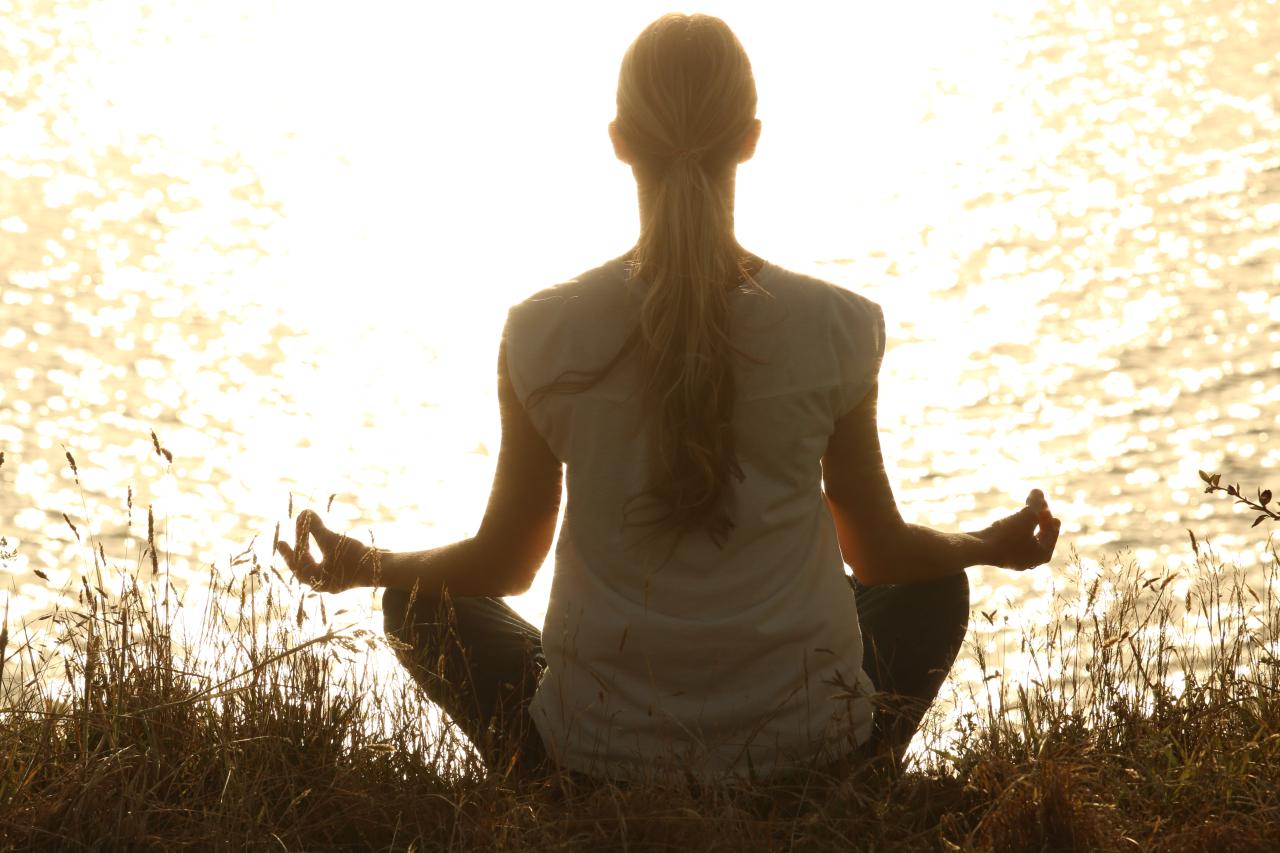
Meditation offers a variety of techniques designed to cultivate mindfulness, reduce stress, and enhance overall well-being. Each method caters to different preferences and objectives, allowing practitioners to select the approach best suited to their lifestyle and mental state. Understanding these techniques and how to perform them effectively can empower individuals to establish a consistent and rewarding meditation practice.Different meditation techniques utilize specific processes to focus the mind, relax the body, and foster a heightened state of awareness.
Whether you prefer guided sessions, silent mindfulness, or body awareness exercises, exploring these methods enables you to find the most effective way to incorporate meditation into daily life.
Guided Meditation
Guided meditation involves listening to a recorded or live instructor-led session that directs your focus through narration, imagery, or specific instructions. This approach is particularly beneficial for beginners or those who find it helpful to have external guidance steering their attention.
- Find a comfortable seated or lying position in a quiet environment.
- Play a guided meditation recording via an app, audio, or attend a live session.
- Follow the instructor’s voice, paying attention to the suggested visualizations, body relaxations, or affirmations.
- Maintain focus on the narration, gently redirecting your attention if your mind wanders.
- Conclude the session when the guidance ends, gradually bringing your awareness back to the surroundings.
Mindfulness Meditation
Mindfulness meditation emphasizes paying non-judgmental attention to the present moment, including thoughts, sensations, and emotions. It cultivates clarity and acceptance, fostering a heightened awareness of current experiences.
- Sit comfortably with your back straight, either on a chair or on the floor.
- Close your eyes softly or keep a gentle gaze directed downward.
- Focus on your breath, noticing the sensation of air entering and leaving your nostrils, or the rise and fall of your chest.
- If your mind drifts to other thoughts, gently acknowledge them and redirect your attention back to your breath.
- Continue this process for the desired duration, often starting with 5-10 minutes daily.
Body Scan Meditation
Body scan meditation enhances awareness of bodily sensations, tensions, and relaxation points. It encourages a gentle exploration of the connection between mind and body, promoting physical and mental relaxation.
- Lie flat on your back or sit comfortably, ensuring your body is supported.
- Close your eyes and take a few deep breaths to settle into the practice.
- Begin by directing your attention to your toes, observing any sensations or tensions.
- Gradually move your focus upward through your ankles, calves, knees, thighs, hips, abdomen, chest, back, shoulders, arms, hands, neck, and finally your head.
- Pause briefly at each body part, consciously releasing tension and fostering relaxation.
- Finish by taking a few deep breaths and gradually bringing awareness back to your surroundings.
Breathing Exercises
Breathing exercises serve as fundamental tools for calming the nervous system, enhancing concentration, and anchoring the mind during meditation. They can be incorporated into various meditation practices or used independently as quick stress relievers.
- Sit comfortably with your back straight and shoulders relaxed.
- Inhale slowly through your nose, filling your lungs completely.
- Pause briefly at the top of your breath.
- Exhale smoothly and fully through your mouth or nose, depending on comfort.
- Repeat the cycle, paying close attention to the rhythm and depth of your breathing.
- Incorporate techniques such as diaphragmatic breathing, box breathing, or 4-7-8 breathing for specific benefits.
Comparison of Meditation Techniques
| Technique | Features | Advantages | Ideal Use Cases |
|---|---|---|---|
| Guided Meditation | Instructor-led, auditory guidance, visualizations | Great for beginners, provides structure, reduces distraction | Stress reduction, mindfulness beginners, relaxation sessions |
| Mindfulness Meditation | Silent, focused on present moment, breath-centered | Enhances awareness, cultivates acceptance, adaptable | Managing anxiety, improving focus, emotional regulation |
| Body Scan Meditation | Focus on bodily sensations, progressive attention | Promotes physical relaxation, enhances mind-body connection | Stress relief, physical tension release, insomnia |
| Breathing Exercises | Focus on breath control, varies in technique (e.g., diaphragmatic, box) | Quick stress reduction, improves concentration, easy to learn | Immediate relaxation, calming nerves, enhancing meditation focus |
Developing a Consistent Meditation Routine
Establishing a regular meditation practice is essential for experiencing the full benefits of mindfulness and maintaining a lifestyle centered around awareness and tranquility. By integrating meditation into daily routines, individuals can cultivate greater emotional resilience, mental clarity, and overall well-being. Creating a sustainable and enjoyable routine requires careful planning, commitment, and adaptability to accommodate diverse lifestyles and schedules.Developing a consistent meditation routine involves more than just setting a time; it encompasses designing a practice that seamlessly fits into daily life, tracking progress to stay motivated, and addressing challenges with effective strategies.
Establishing habits that are flexible yet disciplined ensures long-term adherence, transforming meditation from a sporadic activity into a vital part of everyday living.
Establishing a Daily Meditation Schedule
Creating a meditation schedule that aligns with individual lifestyles enhances consistency and reduces the likelihood of skipped sessions. Consider these methods for integrating meditation into daily routines:
- Identify optimal times when the mind is most receptive, such as early mornings, lunch breaks, or evenings.
- Set a specific and realistic duration for each session, starting with 5-10 minutes and gradually increasing as comfort with the practice grows.
- Utilize alarms or reminders on digital devices to prompt meditation times, reinforcing habit formation.
- Incorporate meditation into existing routines, such as after brushing teeth or before bedtime, to create a seamless habit loop.
- Adjust the schedule as needed to accommodate changing commitments, ensuring the practice remains flexible yet consistent.
For individuals with unpredictable schedules, short but regular sessions can be more sustainable than longer, infrequent practice. The goal is to make meditation an integral part of daily life, rather than an additional task that feels burdensome.
Tracking Progress and Staying Motivated
Maintaining motivation and recognizing progress are vital components of a sustainable meditation routine. Using tools such as journal entries or habit trackers can provide visual reinforcement of consistency and growth:
| Date | Session Duration | Notes or Observations | Feeling Before | Feeling After |
|---|---|---|---|---|
| 2024-04-01 | 10 minutes | Felt more relaxed afterward | Stressed and distracted | Calm and centered |
| 2024-04-02 | 8 minutes | Struggled to focus initially | Anxious and restless | Peaceful and clear-minded |
| 2024-04-03 | 12 minutes | Engaged deeply with breath awareness | Tired but motivated | Refreshed and alert |
“Tracking your practice helps reinforce your commitment and provides insight into how your mental state evolves over time.”
To stay motivated, set achievable goals, celebrate milestones, and remind oneself of the personal benefits experienced through regular meditation. Sharing progress with a meditation group or community can also foster accountability and encouragement.
Overcoming Common Challenges in Routine Maintenance
Despite the benefits, maintaining a consistent meditation practice often encounters hurdles such as time constraints, waning motivation, or distraction. Recognizing these challenges allows for the implementation of targeted strategies:
- Time management: Prioritize meditation by scheduling it at the same time each day, treating it as a non-negotiable appointment.
- Short sessions: When time is limited, opt for mini-meditations of 3-5 minutes that can be embedded into busy days, ensuring continuity.
- Environmental adjustments: Create a dedicated, comfortable space free from interruptions to enhance focus and consistency.
- Flexibility: Accept that some days may be less ideal; adapt your routine rather than abandoning it entirely.
- Accountability partners: Engage with friends or groups committed to meditation to share progress and encourage persistence.
- Self-compassion: Recognize that lapses are normal; approach challenges with patience and without self-judgment, fostering a sustainable practice.
Consistent effort, coupled with a compassionate and adaptable mindset, ensures that meditation remains a rewarding and integral part of a mindful lifestyle. Overcoming obstacles effectively transforms initial challenges into stepping stones toward deeper mindfulness and inner peace.
Incorporating Mindfulness into Daily Activities
Integrating mindfulness into everyday routines can significantly enhance overall well-being and foster a continuous state of present-moment awareness. By consciously bringing attention to simple tasks, individuals cultivate a more mindful lifestyle that complements formal meditation practices. These activities, when performed with intention, transform ordinary moments into opportunities for grounding and mental clarity, making mindfulness an accessible and sustainable habit.Mindfulness during daily activities involves intentionally focusing your awareness on the present task, observing sensations, thoughts, and surroundings without judgment.
This practice helps reduce stress, improve concentration, and promote a sense of calm throughout the day. Below are practical examples of how mindfulness can be seamlessly incorporated into common activities, with guidance on adapting these exercises across different environments and times of day.
Mindful Eating
Eating offers numerous opportunities to practice mindfulness by focusing on the sensory experience of food. To begin, pause before taking the first bite, take a few deep breaths to center yourself, and then notice the appearance, aroma, and texture of the food. As you chew, pay close attention to the flavors, the feel of the food in your mouth, and the sensations of swallowing.
This exercise encourages a slow, attentive eating process that promotes digestion and enhances appreciation for your meals. Whether at home or in a restaurant, adapting this practice involves consciously slowing down and eliminating distractions such as screens or television. During busy workdays, taking a few mindful bites during lunch or snacks can create a moment of pause, helping reset mental clarity.
Mindful Walking
Walking is an accessible activity that can serve as a moving meditation. To practice, focus on the sensation of your feet making contact with the ground—feeling the texture of the surface, the rhythm of your steps, and the movement of your legs. Notice the environment around you: the sight of trees, the sounds of birds or traffic, and the smell of fresh air.
Adapting this exercise for different settings involves adjusting your pace and focus. In a park, you can deepen the awareness of nature, while in urban settings, observing the details of architecture and sounds can sharpen your sensory perception. During breaks at work or in transit, a few minutes of mindful walking can serve as a refreshing mental reset.
Mindful Working
Work tasks often involve multitasking and distractions, but incorporating mindfulness can enhance focus and productivity. Begin by setting an intention to fully engage with each task, whether it’s typing, organizing files, or responding to emails. Focus your attention on the physical sensations involved, such as the feel of the keyboard, the movement of your hands, or the sound of typing.
To adapt this practice in various environments, create a quiet space or use brief pauses between tasks to reset your focus. During busy work hours, take short mindful breaks—such as a few deep breaths or a moment to observe your surroundings—to reconnect with the present and reduce stress.
Mindful Household Chores
Daily chores offer frequent opportunities for mindfulness, transforming routine activities into moments of awareness. For example, when washing dishes, pay attention to the temperature of the water, the sensation of soap, and the sound of scrubbing. When folding laundry, notice the texture of fabrics and the movement involved. Adapting these exercises involves integrating mindfulness into the rhythm of chores and choosing specific moments to pause and observe.
Whether in the morning or evening, this practice helps cultivate patience and presence, turning mundane routines into enriching experiences.
Adapting Mindfulness Exercises to Different Environments and Times of Day
Mindfulness practices are versatile and can be tailored to fit various settings and schedules. For instance, in quiet environments such as a peaceful park or a dedicated meditation space, deepen the focus on sensory experiences. In busy or noisy surroundings, like public transport or crowded streets, focus on internal sensations—such as breathing or heartbeat—to maintain a sense of calm. Timing these exercises strategically—such as during morning routines, lunch breaks, or before bedtime—can maximize their benefits.
Morning mindfulness sets a positive tone for the day, while evening practices promote relaxation and mental clarity. Throughout the day, brief moments of awareness serve as mental pauses, reducing stress and enhancing overall mindfulness integration.
Enhancing Meditation Practice with Additional Techniques
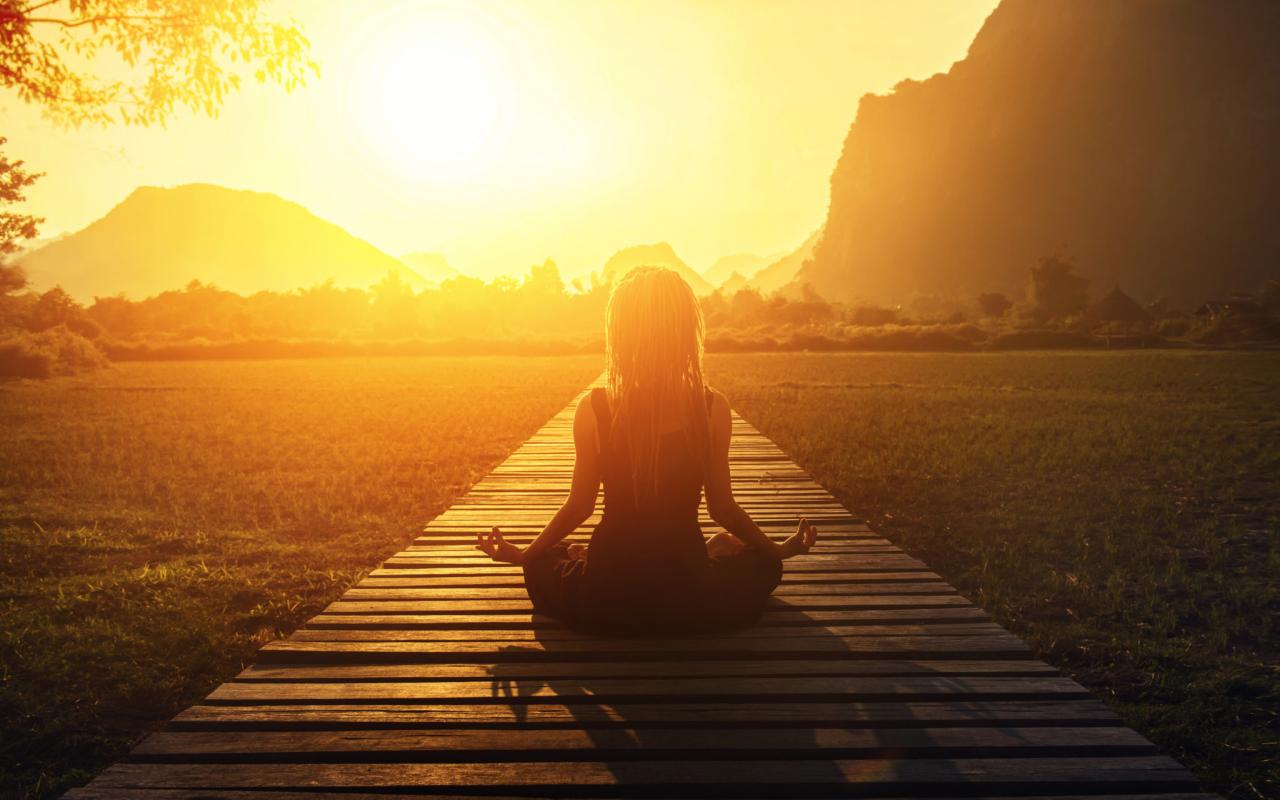
Integrating supplementary practices into your regular meditation routine can deepen your mindfulness experience, promote overall well-being, and foster a more profound state of mental clarity. These techniques serve to complement foundational meditation practices, offering diverse pathways to cultivate awareness, emotional balance, and inner peace.
Incorporating methods such as visualization, body awareness exercises, and gratitude practices can enrich your meditation sessions. These approaches not only diversify your practice but also enhance resilience against stress, improve focus, and foster positive emotional states. By systematically integrating these techniques, practitioners can accelerate their journey toward a more mindful and harmonious lifestyle.
Visualization Techniques
Visualization involves creating vivid mental images that evoke positive feelings, reinforce intentions, or facilitate relaxation. During meditation, practitioners may visualize tranquil scenes, successful outcomes, or personal goals to boost motivation and emotional resilience.
To integrate visualization into your meditation routine:
- Begin with a few minutes of deep breathing to settle into a relaxed state.
- Close your eyes and imagine a calming environment, such as a peaceful beach, lush forest, or serene mountain landscape.
- Engage all your senses within this visualization—note the sounds, smells, textures, and colors to deepen immersion.
- Repeat positive affirmations or intentions aligned with your goals during this mental imagery to reinforce motivation.
- Finish with a few moments of silent reflection, allowing the visualization’s benefits to integrate into your consciousness.
Body Awareness Exercises
Body awareness practices involve systematically paying attention to physical sensations, tension, and relaxation points within the body. This focus helps anchor the mind, alleviate stress, and improve bodily consciousness, which can enhance overall mindfulness.
Procedures for incorporating body awareness include:
- Start with a comfortable seated or lying position, taking deep, slow breaths.
- Begin scanning from the crown of your head down to your toes, noting sensations like warmth, tension, tingling, or discomfort.
- Identify areas of tension and consciously release muscle tightness through gentle breathing and visualization of relaxation.
- Use grounding techniques, such as feeling the contact points between your body and the surface beneath, to foster stability and presence.
- Conclude with a few moments of full-body awareness before transitioning back to everyday activities.
Gratitude Exercises
Practicing gratitude can significantly elevate emotional well-being and promote a positive outlook. Incorporating gratitude into meditation involves focusing awareness on aspects of life for which you are thankful, fostering feelings of contentment and interconnectedness.
To include gratitude exercises in your practice:
- Begin with breath awareness, settling into a calm state.
- Bring to mind specific people, experiences, or qualities you truly appreciate.
- Visualize these elements vividly, allowing feelings of thankfulness to fill your consciousness.
- Silently express gratitude, either mentally or through gentle affirmations like “I am grateful for …”.
- Finish by extending these feelings to yourself and others, cultivating compassion and harmony.
Benefits and Potential Outcomes
Combining these supplementary techniques with regular meditation practice can lead to:
- Enhanced emotional regulation and resilience to stress.
- Deeper states of relaxation and inner peace.
- Increased self-awareness and clarity of thought.
- Improved focus and mental clarity for daily tasks.
- Strengthened feelings of gratitude and overall life satisfaction.
- Greater capacity to manage negative emotions and foster positive outlooks.
Assessing Progress and Deepening Practice
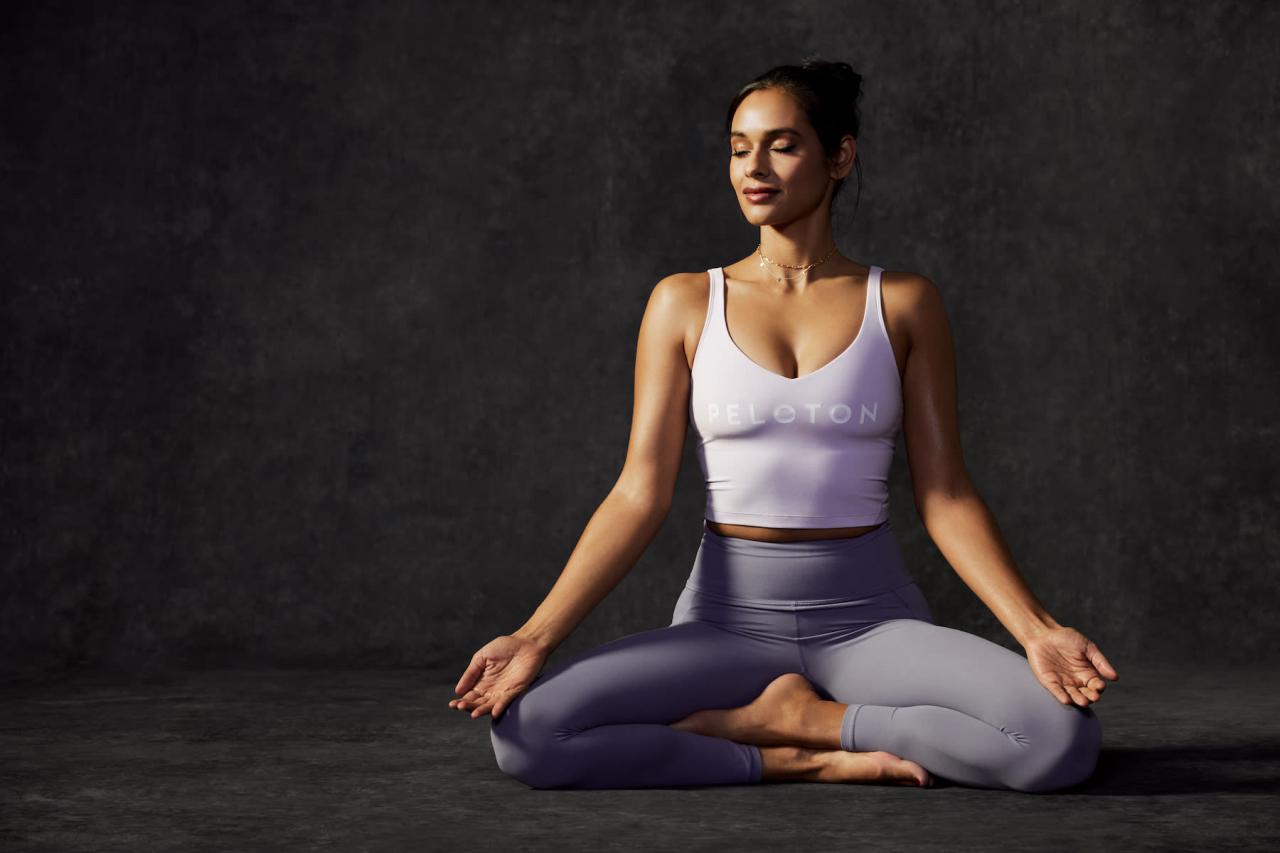
Monitoring personal growth in meditation and mindfulness is essential for maintaining motivation, identifying areas for improvement, and progressing toward more profound states of awareness. As practitioners advance, incorporating methods to evaluate progress and exploring advanced techniques can significantly enrich the meditation journey. This section Artikels effective ways to assess development, introduces advanced practices suitable for experienced practitioners, and offers a comparative overview of goals and techniques across different proficiency levels.
Methods for Evaluating Personal Growth in Mindfulness and Meditation
Evaluating progress involves both qualitative and quantitative approaches that help practitioners understand their evolving relationship with meditation and mindfulness practices. Regular self-reflection is a cornerstone method, allowing individuals to observe changes in their mental clarity, emotional stability, and overall wellbeing.
One effective tool is the use of progress charts, where practitioners record specific metrics such as meditation duration, frequency, and subjective experiences over time. These visual representations can highlight trends, improvements, and periods that require attention. Journaling reflections post-meditation can also deepen awareness by noting shifts in thoughts, feelings, and physical sensations during practice.
“Consistent evaluation cultivates mindful awareness of personal growth, fostering a more intentional and rewarding meditation journey.”
Advanced Meditation Practices for Experienced Practitioners
For those with established meditation routines, exploring advanced practices can lead to deeper states of consciousness and spiritual growth. These practices often involve longer sessions, specialized techniques, or integrating multiple methods to challenge the practitioner’s skills.
Examples of advanced practices include:
Recommended routines for advanced practitioners often include extended daily sessions of 45 minutes to an hour, occasional retreats, and integration of multiple techniques to facilitate a comprehensive spiritual practice.
Comparison Table of Meditation Goals and Techniques by Proficiency Level
| Level | Goals | Techniques | Focus Areas | Examples |
|---|---|---|---|---|
| Beginner | Develop foundational mindfulness, establish a regular routine, reduce stress | Breath awareness, body scan, guided meditation | Relaxation, present-moment awareness | Basic breath-focused meditation, body scan exercises |
| Intermediate | Increase depth of concentration, manage distractions, explore emotional responses | Vipassana, Loving-kindness meditation, mindful movement | Insight, emotional regulation, compassion | Longer sessions, visualization techniques, mindful walking |
| Advanced | Achieve profound states of consciousness, spiritual awakening, energy balance | Transcendental Meditation, Chakra balancing, deep insight practices | Self-realization, transcendence, energetic alignment | Extended retreats, mantra repetition, energy work |
Final Review
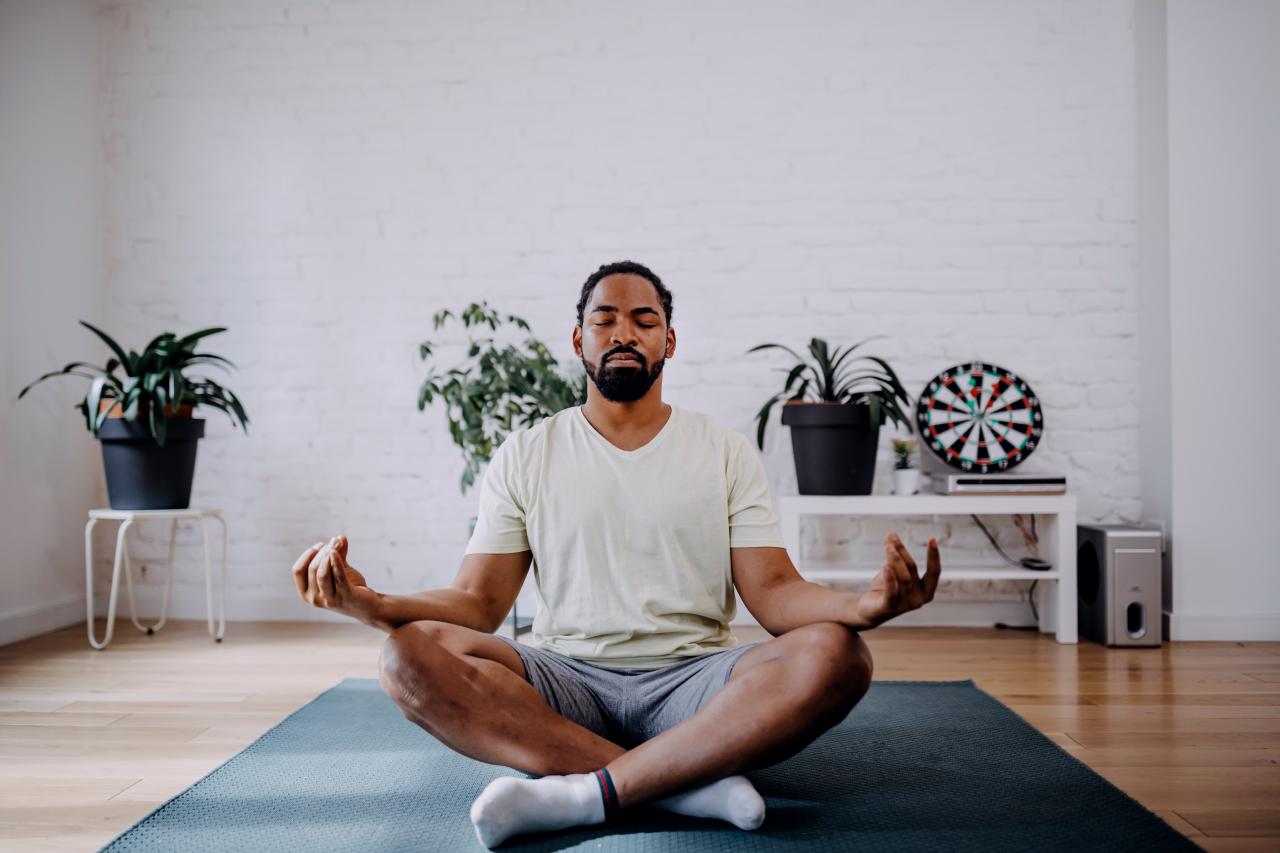
Embarking on a meditation journey paves the way for a more balanced and present life. Through consistent practice and mindful integration into daily activities, you can achieve lasting positive changes. Remember, the path to a mindful lifestyle is a continuous process of growth and self-discovery, and every step taken enriches your overall well-being and spiritual fulfillment.