How to Meditate for Strengthening Gratitude in Relationships offers a meaningful pathway to deepen appreciation and foster harmony with loved ones. By integrating mindfulness and gratitude practices, individuals can enhance their emotional connections and cultivate a more compassionate outlook within their relationships. This approach not only promotes personal well-being but also nurtures the foundation of trust and mutual respect essential for healthy bonds.
Through guided meditation techniques, creating a conducive environment, and incorporating daily routines, this practice encourages a genuine acknowledgment of the positive qualities and shared memories that enrich our lives. Embracing these mindful moments can transform everyday interactions and foster lasting bonds rooted in gratitude and empathy.
Introduction to Meditation for Strengthening Gratitude in Relationships
Meditation focused on gratitude within relational contexts is a practice that encourages individuals to consciously acknowledge and appreciate the positive aspects of their relationships. This form of meditation involves directing mindful awareness towards feelings of thankfulness for loved ones, fostering a sense of connection and appreciation that can deepen emotional bonds. By cultivating an intentional attitude of gratitude through regular meditative practice, individuals can enhance their overall relationship satisfaction and emotional resilience.
Gratitude plays a vital role in nurturing healthy relationships, as it helps to promote positive interactions, reduce resentment, and increase feelings of mutual respect and understanding. When individuals actively recognize and appreciate the kindness, support, and presence of their partners, friends, or family members, it creates a foundation of trust and emotional security. Incorporating meditation into this process amplifies the benefits by allowing for a calm, focused reflection on the good within relationships, leading to greater empathy and a more profound sense of connection.
The Benefits of Meditative Practices Focused on Appreciation
Engaging in meditation aimed at strengthening gratitude offers numerous benefits that extend beyond immediate emotional well-being. Consistent practice can help individuals develop a more positive outlook towards their relationships, reducing tendencies toward negativity and criticism. It also encourages mindfulness, which fosters better communication, patience, and understanding between partners and loved ones.
With regular meditation, individuals are more likely to notice and acknowledge the everyday acts of kindness and support from others, reinforcing feelings of gratitude. This heightened awareness can improve relationship satisfaction, deepen emotional intimacy, and promote a supportive environment where both parties feel valued. Additionally, the calming effects of meditation can alleviate interpersonal stress, making conflicts easier to manage and resolving misunderstandings more effectively.
Preparing for a Gratitude Meditation Practice
Establishing a calm and focused environment is essential for a meaningful gratitude meditation session. Proper preparation helps to minimize distractions, deepen your concentration, and foster a receptive mindset that enhances the benefits of your practice. Taking intentional steps before beginning can significantly influence the effectiveness of your meditation, allowing you to connect more profoundly with feelings of appreciation and strengthen your relationships.
Preparation involves both creating a suitable physical space and setting clear mental intentions. These steps ensure that your meditation session becomes a dedicated and sacred time for reflection, gratitude, and emotional connection. By consciously organizing your environment and clarifying your objectives, you set a foundation that supports a deeper and more consistent gratitude practice.
Creating a Calm, Distraction-Free Environment
To cultivate a tranquil space conducive to meditation, consider the following steps:
- Select a Quiet Location: Choose a place in your home or outdoor area that is free from noise, interruptions, and disturbances. This space should evoke a sense of calm and safety, encouraging you to relax fully.
- Control Lighting: Use soft, natural light or dimmable lamps to create a gentle ambiance. Darkness or subdued lighting can help signal your mind that it is time to unwind and focus inward.
- Reduce External Distractions: Turn off or silence electronic devices, such as phones, tablets, and televisions. Inform household members of your meditation time to prevent interruptions.
- Arrange Comfortable Seating: Use cushions, meditation mats, or chairs that support proper posture. Comfort is crucial for maintaining stillness and focus during your session.
- Incorporate Ambient Sounds: Play gentle, calming background sounds if desired, such as nature recordings, soft instrumental music, or ambient noise generators. These can mask discordant sounds and help you settle into a tranquil state.
Necessary Items Checklist for Meditation Space
Having the right items prepared enhances your meditation experience. The following table summarizes essential tools and their purpose:
| Item | Purpose |
|---|---|
| Cushions or Meditation Mat | Provides physical comfort and proper posture support |
| Soft Lighting or Lamps | Creates a soothing atmosphere |
| Ambient Sound Machine or Nature Recordings | Helps mask distractions and promote relaxation |
| Blanket or Shawl | Maintains warmth and comfort during meditation |
| Timer or Meditation App | Sets a dedicated duration and guides practice |
| Journal and Pen | Optional, for reflecting on feelings or insights after meditation |
Setting Intentions and Understanding Relationship Dynamics
Before commencing your gratitude meditation, clarifying your intentions and understanding the nuances of your relationships can deepen your practice. Setting a clear intention directs your focus and heightens emotional receptivity, making your gratitude reflections more genuine and impactful.
Reflect on the specific relationships you wish to nurture—be it with a partner, family member, friend, or colleague. Consider the qualities or moments you appreciate about these connections, and identify any particular intentions, such as fostering forgiveness, enhancing understanding, or cultivating compassion.
“Intentions act as a guiding compass, turning simple reflection into a purposeful journey of emotional growth.”
Understanding the dynamics within your relationships—acknowledging both strengths and areas of challenge—can help you approach your gratitude practice with honesty and compassion. Recognizing these aspects allows you to tailor your meditative reflections, fostering a deeper appreciation and nurturing positive change over time.
Guided Techniques for Cultivating Gratitude in Relationships
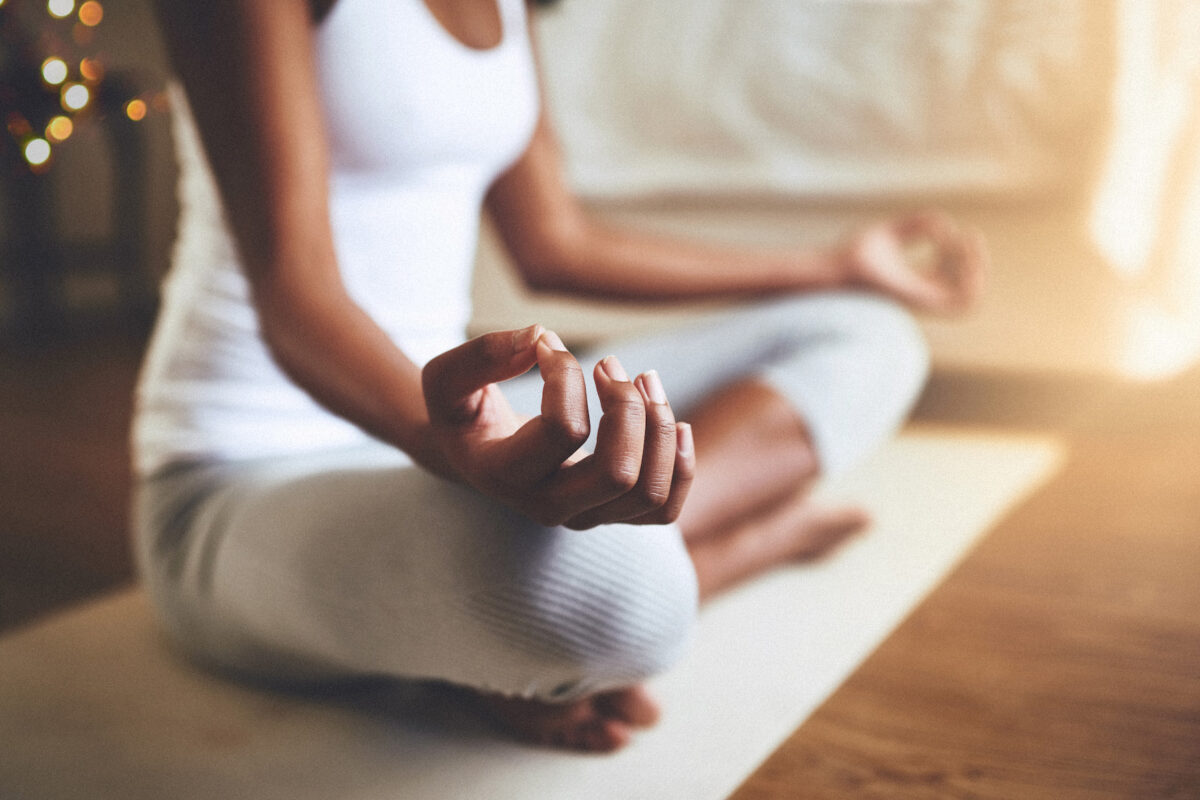
Transforming gratitude from a fleeting feeling into a sustained practice requires intentional focus and gentle guidance. The following techniques are designed to help individuals deepen their appreciation for loved ones through meditation, fostering stronger and more meaningful relationships. By incorporating these practices into your routine, you can develop a habit of recognizing and cherishing positive moments with those close to you.
These guided techniques utilize visualization, memory recall, and breath awareness to enhance feelings of gratitude, making it easier to integrate appreciation into daily life. Consistency in these practices nurtures a mindset of thankfulness, fostering emotional resilience and enriching your connections with others.
Step-by-Step Meditation Sequence Focused on Positive Relationship Memories
- Find a Comfortable Position: Sit comfortably with your spine straight, either cross-legged on the floor or in a chair, ensuring your body is relaxed yet alert.
- Begin with Deep Breaths: Close your eyes gently and take a few slow, deep breaths. Inhale deeply through your nose, filling your lungs completely, then exhale slowly through your mouth. Allow your breathing to settle into a natural, steady rhythm.
- Set an Intention: Silently affirm your intention to cultivate gratitude for your relationships, opening your heart to feelings of appreciation and love.
- Recall Positive Memories: Bring to mind a meaningful moment shared with a loved one—a time when you felt truly connected, appreciated, or supported. Focus on this memory vividly, engaging all your senses to immerse yourself fully in the experience.
- Visualize the Moment: Picture the scene in detail: the environment, the expressions, the sounds, and even the scents. Allow the feelings of warmth, joy, and gratitude to swell within you.
- Expand the Experience: Gradually bring to mind additional joyful interactions or shared experiences with other loved ones, creating a tapestry of positive memories that reinforce your gratitude.
- Anchor Gratitude Through Breath: As you focus on these memories, deepen your breath, inhaling slowly to invite the feeling of thankfulness, and exhale any lingering tension or negativity. Use your breath to anchor these positive emotions more deeply into your consciousness.
- Silent Affirmations: Silently repeat affirmations such as “I am grateful for my loved ones” or “Their presence enriches my life” to reinforce feelings of appreciation.
- Gradual Transition: Slowly bring your awareness back to your body and surroundings, maintaining the feelings of gratitude. Open your eyes gently and carry this sense of appreciation into your day.
Visualizations to Recall Meaningful Moments with Loved Ones
Effective visualization is a powerful tool for cultivating gratitude. The following visualizations can help evoke positive emotions and deepen your appreciation for your relationships:
- Shared Laughter: Imagine a time when you and a loved one shared a genuine, heartfelt laugh. Visualize the scene, the expressions, and the joy in that moment. Feel the warmth and lightness it brought to your heart.
- Supporting Each Other: Recall a moment when a loved one offered you comfort or support during a challenging time. Visualize the act of kindness, the words exchanged, and the comforting presence that made a difference.
- Celebratory Events: Picture a special celebration—such as a birthday, holiday gathering, or personal achievement—where you felt loved and appreciated. Focus on the smiles, the interactions, and the shared happiness.
- Everyday Acts of Kindness: Visualize small, everyday gestures that have strengthened your bond, like a warm hug, a thoughtful note, or a shared meal. Recognize the significance of these acts in building connection and gratitude.
- Quiet Moments of Connection: Recall serene moments spent in peaceful silence with loved ones, such as sitting together in nature or sharing a quiet cup of tea. Feel the tranquility and mutual understanding in these interactions.
Engaging with these visualizations during meditation can evoke deep emotional responses, reinforcing your gratitude and fostering a positive outlook toward your relationships.
Using Deep Breathing to Deepen Gratitude Awareness
Deep breathing is a foundational technique that enhances mindfulness and emotional regulation, making it an effective method to deepen feelings of gratitude during meditation. The rhythmic pattern of slow, deliberate breaths helps anchor positive emotions and reduces mental distractions.
To utilize deep breathing effectively:
- Inhale with Intention: As you inhale, consciously invite feelings of gratitude into your heart space. Visualize the air filling your lungs with light and appreciation.
- Pause and Feel: Briefly hold your breath for a count of two or three, allowing the gratitude to settle within you, permeating your entire being.
- Exhale Releasing Tension: Exhale slowly and fully, imagining releasing any negative thoughts or feelings that may hinder your capacity to feel grateful.
- Repeat with Focus: Continue this cycle, emphasizing the connection between your breath and emotional state. Over time, this practice trains your mind to associate deep, controlled breathing with feelings of thankfulness and emotional openness.
- Use Breath as an Anchor: Whenever your mind drifts or negative thoughts surface, gently return your focus to your breath, using it as an anchor to reconnect with feelings of gratitude.
Incorporating deep breathing into your gratitude meditation enhances emotional depth and helps cultivate a sustained sense of appreciation for your relationships, enriching your overall well-being and connection with others.
Fostering Empathy and Compassion through Meditation
Developing empathy and compassion is a vital aspect of strengthening gratitude within relationships. Meditation provides a focused and tranquil space to deepen understanding and emotional connection with loved ones. By cultivating these qualities intentionally, individuals can foster more meaningful, supportive, and harmonious interactions, enriching their relationships on both emotional and spiritual levels.
During meditation sessions, specific techniques and visualizations can be employed to enhance one’s capacity for empathy and compassion. These practices allow individuals to step into the experiences of others, acknowledge their feelings, and respond with genuine kindness and understanding. Over time, this cultivated empathy not only enhances gratitude but also promotes forgiveness, patience, and unconditional love within relationships.
Methods to Develop Empathy for Partners, Family, or Friends During Meditation
Empathy is the ability to understand and share the feelings of another, which can be significantly amplified through focused meditation practices. Engaging in these methods encourages emotional attunement and a heartfelt connection with loved ones, fostering a deeper sense of gratitude and mutual respect.
- Practicing Loving-Kindness (Metta) Meditation: Regularly repeating phrases wishing well-being, happiness, and peace to oneself and others cultivates an open heart and reduces emotional barriers.
- Visualization of Shared Experiences: Imagining moments spent with loved ones, recalling joyful interactions, or empathizing with their current struggles helps strengthen emotional bonds.
- Adopting the Perspective of Others: Visualizing walking in the shoes of a partner, family member, or friend allows the meditator to understand their feelings, challenges, and needs more deeply.
- Sending Specific Compassionate Intentions: During meditation, sending heartfelt wishes for their happiness, health, and safety reinforces a sense of connection and concern.
Visualizations to Walk in the Shoes of Loved Ones
Effective visualization practices involve imagining oneself experiencing the world through the eyes of someone else, which deepens empathy and nurtures compassion. These visualizations can be tailored to address specific situations, fostering understanding and patience.
- Empathy for a Partner: Visualize their daily routines, challenges, and successes. Imagine experiencing their emotions—joy, frustration, or anxiety—and respond with compassion. For example, if your partner is stressed about work, imagine feeling that pressure and offering support or reassurance.
- Understanding Family Dynamics: Picture yourself in the roles of family members, recognizing their responsibilities, worries, and hopes. This helps to appreciate their perspectives beyond your own and cultivates gratitude for their sacrifices and efforts.
- Supporting Friends Through Difficult Times: Envision walking alongside a friend experiencing loss or hardship, feeling their pain and offering comfort. This enhances your capacity to provide genuine support and deepen your gratitude for their presence in your life.
Incorporating Loving-Kindness (Metta) Phrases to Reinforce Gratitude and Compassion
The practice of loving-kindness meditation involves silently repeating phrases that foster positive intentions toward oneself and others. These phrases serve to reinforce feelings of gratitude, foster forgiveness, and nurture compassion, creating a more profound emotional connection within relationships.
“May you be safe. May you be healthy. May you be happy. May you live with ease.”
To enhance the impact of these phrases, personalize them according to your relationship context. For example, when directing phrases to a partner, incorporate specific qualities or wishes relevant to your shared life, such as wishing for mutual understanding or resilience in facing challenges.
| Example Loving-Kindness Phrases | Application Context |
|---|---|
| “May you feel loved and appreciated.” | Expressing gratitude for a partner’s support or kindness. |
| “May I be patient and understanding.” | Cultivating self-compassion and patience in challenging moments. |
| “May all beings experience peace.” | Broadening compassion beyond personal relationships to encompass wider communities. |
Integrating these phrases into regular meditation sessions helps embed feelings of gratitude and compassion deeply into one’s emotional fabric. Over time, this practice transforms interactions with loved ones, fostering resilience, forgiveness, and a heartfelt appreciation for their presence and contributions in life.
Integrating Gratitude Meditation into Daily Routine
Establishing a consistent practice of gratitude meditation can significantly enhance the quality of your relationships and emotional well-being. Incorporating mindful moments of appreciation into your daily schedule helps reinforce positive feelings and cultivates a mindset of gratitude that benefits all aspects of life. By making gratitude meditation a habitual part of your routine, you create a sustainable way to nurture empathy, compassion, and connection with those around you.Integrating gratitude meditation into everyday life requires intentional planning and commitment.
It is beneficial to allocate specific times during the day where these practices can be naturally incorporated, allowing you to experience the full benefits while adapting to your unique schedule. Regular practice not only deepens your sense of gratitude but also makes it easier to recognize and respond to the positive aspects of your relationships as they unfold throughout the day.
Suggested Schedule for Incorporating Gratitude Meditation
To effectively embed gratitude meditation into your daily life, consider establishing a manageable and flexible schedule. Consistency is key, so choose times that align with your routines and commitments. Below is a sample daily schedule designed to optimize your practice:
- Morning Session (5-10 minutes): Begin your day by focusing on gratitude for the new day ahead, loved ones, or personal strengths. This sets a positive tone for the hours to come.
- Midday Check-In (3-5 minutes): Pause during lunch or a break to reflect on moments of kindness or connection experienced so far. This reinforces a gratitude mindset amid daily activities.
- Evening Reflection (10-15 minutes): Conclude your day by revisiting your gratitude journal or practicing a gratitude visualization. Focus on appreciating the relationships and moments that brought joy or learning.
This flexible schedule encourages regular engagement without overwhelming your routine, fostering a sustainable habit that enhances emotional resilience and relationship satisfaction.
Examples of Short, Effective Gratitude Meditations for Busy Lifestyles
Busy schedules often limit the time available for meditation, yet even brief moments can be profoundly impactful. Here are practical, time-efficient gratitude meditation techniques suitable for a hectic lifestyle:
- Breath-Focused Gratitude: Take a deep breath, hold for a count of three, and as you exhale, silently acknowledge something or someone you are grateful for. Repeat this cycle for a few minutes, focusing on feelings of appreciation with each breath.
- Gratitude Reflection Pause: During a daily activity, such as commuting or waiting in line, pause briefly to mentally list three things you appreciate about your partner, family member, or friend. Feel the gratitude as you mentally articulate each item.
- Gratitude Anchor Technique: Associate a specific action or object (e.g., touching your thumb and forefinger together or holding a small object) with a gratitude affirmation, such as “I am grateful for love.” Use this anchor whenever you need a quick mental reset of positive feelings.
- Gratitude Visualization: Close your eyes for a minute and vividly imagine a cherished moment with someone special, immersing yourself in the emotions of gratitude and connection during the visualization.
These quick practices can be seamlessly integrated into daily routines, providing moments of mindfulness and emotional grounding even during busy periods.
Tracking Progress and Emotional Shifts
Monitoring your development in gratitude practice helps reinforce commitment, identify patterns, and observe emotional growth over time. Simple journaling techniques serve as effective tools for tracking your experiences and insights.Begin by setting a dedicated time each day or week to record reflections on your gratitude meditation. Consider noting the following:
- Specific thoughts or feelings that emerged during practice
- Notable changes in your mood or outlook
- Positive interactions or relationship improvements linked to your gratitude focus
- Challenges faced in maintaining the practice and strategies to overcome them
A basic gratitude journal can include entries such as:
“Today, I felt more patient with my partner after focusing on what I appreciate about their support during a stressful situation.”
You might also track emotional shifts through mood ratings on a scale from 1 to 10, observing trends over weeks or months. Visual charts or simple notes on recurring themes can help you recognize progress, deepen your awareness, and celebrate milestones in your gratitude journey.Consistent reflection and documentation cultivate mindfulness, reinforce positive change, and motivate ongoing dedication to integrating gratitude meditation into everyday life.
Overcoming Challenges in Maintaining a Gratitude Meditation Practice
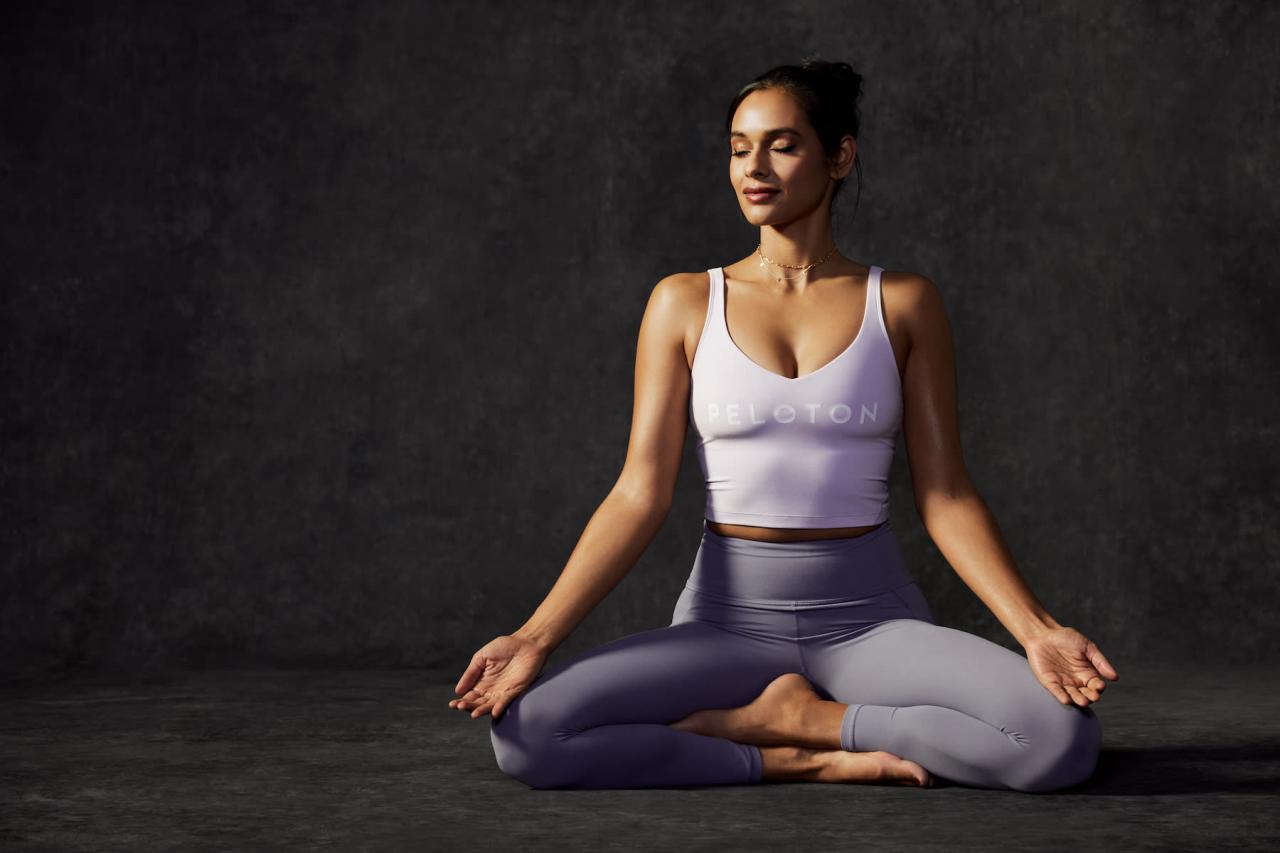
Maintaining a consistent gratitude meditation practice can be transformative, yet it often presents unique challenges that may impede progress. Many individuals encounter obstacles such as distractions during meditation sessions or emotional resistance that hinders the ability to fully engage in the practice. Recognizing and addressing these barriers is essential to cultivating a sustainable and enriching meditation routine. Developing resilience against these challenges enables practitioners to deepen their gratitude awareness and integrate this positive mindset into daily life more effectively.Distractions and emotional resistance are common hurdles faced during meditation.
Distractions can stem from environmental noise, intrusive thoughts, or physical discomfort, while emotional resistance may manifest as feelings of discomfort, skepticism, or resistance to confronting difficult emotions related to gratitude. To overcome these barriers, practitioners should adopt practical strategies that foster focus, increase emotional resilience, and sustain motivation.
Strategies for Addressing Distractions and Emotional Resistance
Effective management of distractions and emotional resistance involves a combination of mindfulness techniques, environmental adjustments, and mental reframing. Creating a dedicated, quiet meditation space minimizes external noise, while setting specific times for practice enhances consistency. When intrusive thoughts arise, gently acknowledging them without judgment and redirecting focus to the breath or a gratitude affirmation helps maintain concentration.
Dealing with emotional resistance requires cultivating self-compassion and patience. Recognizing that negative feelings are natural parts of the process allows practitioners to approach them with kindness rather than avoidance. Techniques such as body scans can help identify emotional tension, and guided meditations focused on acceptance can facilitate a shift in perspective, transforming resistance into understanding and compassion.
“Progress in gratitude meditation is not about perfection but about persistence and gentle self-awareness.”
Regularly revisiting one’s intentions and acknowledging small successes can reignite motivation and foster a sense of achievement. Over time, these practices build resilience, enabling practitioners to navigate obstacles with greater ease and deepen their capacity for gratitude.
Comparison of Mindfulness Techniques to Sustain Motivation
Different mindfulness strategies can be employed to maintain motivation and enhance the effectiveness of gratitude meditation. The table below provides a comparison of commonly used techniques, highlighting their core features, benefits, and ideal applications:
| Technique | Core Focus | Benefits | Ideal Use |
|---|---|---|---|
| Focused Breathing | Centering attention on the breath to anchor the mind | Reduces distraction, calms the nervous system, enhances present-moment awareness | |
| Body Scan | Observing bodily sensations systematically | Increases bodily awareness, releases physical tension, grounds attention | |
| Loving-kindness Meditation | Cultivating feelings of compassion and gratitude towards oneself and others | Builds emotional resilience, deepens feelings of connection, enhances positive emotions | |
| Guided Visualization | Imagining positive and gratitude-inducing scenarios | Stimulates emotional engagement, enhances vividness of gratitude experiences | |
| Mantra Repetition | Using affirmations or phrases to focus the mind | Maintains concentration, reinforces gratitude mindset, reduces mental chatter |
Practitioners can experiment with these techniques to discover which methods resonate most deeply, fostering sustained motivation and a deeper appreciation of gratitude during meditation sessions.
Methods for Renewing Focus and Deepening Gratitude Awareness
Maintaining a high level of focus and continually deepening gratitude during meditation involves intentional practices that invigorate the mind and heart. Periodic refreshers can prevent stagnation, while specific techniques can amplify the depth of gratitude experienced.
- Periodic Reflection Breaks: Incorporate short pauses during meditation sessions to intentionally reflect on recent moments of gratitude, fostering a renewed sense of appreciation.
- Use of Gratitude Journals: Complement meditation with journaling after sessions, recording specific qualities or actions of loved ones that evoke gratitude, reinforcing positive feelings.
- Visualization of Gratitude in Action: Imagine scenarios where gratitude is expressed or received, activating emotional pathways associated with thankfulness and fostering genuine connection.
- Deepening Breath Techniques: Employ diaphragmatic breathing with extended exhalations to enhance relaxation and emotional openness, facilitating deeper gratitude experiences.
- Empathy Expansion Exercises: During meditation, consciously extend feelings of gratitude to include unfamiliar or challenging relationships, broadening emotional capacity and fostering compassion.
Engaging in these methods regularly ensures that gratitude remains a dynamic and enriching aspect of meditation, fostering ongoing emotional growth and stronger relational bonds.
Enhancing Relationships Outside of Meditation
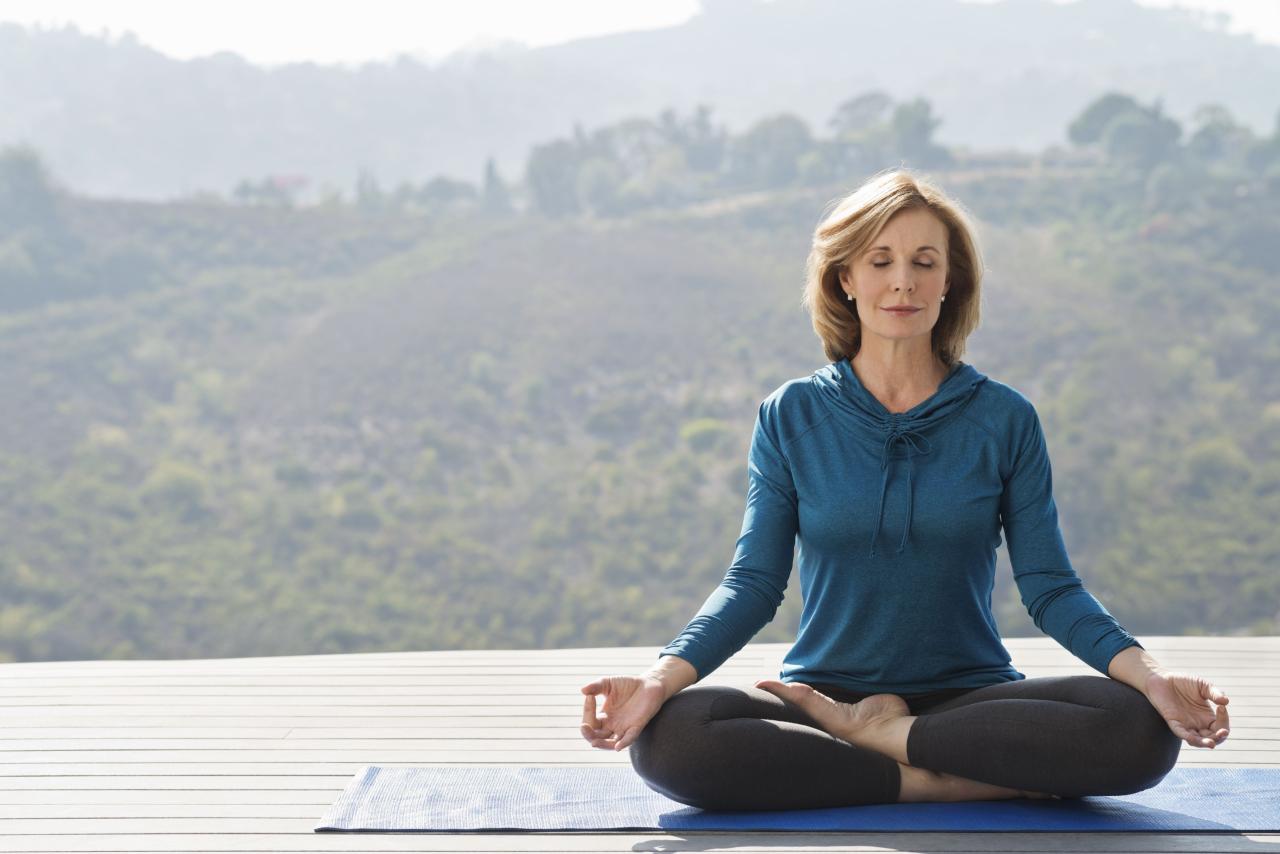
Practicing gratitude through meditation creates a profound internal shift that can significantly improve how we interact with others in everyday life. By translating the mindfulness and appreciation cultivated during meditation into our daily actions, we foster stronger, more genuine relationships. This section explores practical ways to express and sustain gratitude beyond formal sessions, helping to nurture bonds with family, friends, colleagues, and community members.
Implementing gratitude in real-world interactions involves conscious effort and consistency. It encourages us to recognize and appreciate the positive qualities and actions of those around us, leading to a more empathetic and connected environment. Developing habits that reinforce gratitude helps solidify these feelings into lasting relationship improvements, creating a cycle of positivity and mutual respect.
Effective Communication of Appreciation
Expressing gratitude authentically and effectively is essential for strengthening relationships outside meditation. Clear and heartfelt communication reinforces positive interactions, fosters trust, and encourages reciprocal appreciation. Below are key tips and strategies for conveying appreciation in a meaningful way:
| Tip | Description |
|---|---|
| Be Specific | Avoid vague statements; instead, mention particular actions or qualities you appreciate. For example, say, “I really appreciated the way you listened to me patiently during our conversation,” rather than simply saying, “Thank you.” |
| Use Genuine Language | Express your feelings sincerely without overdoing it. Authenticity fosters trust and makes your appreciation more impactful. |
| Maintain Eye Contact and Open Body Language | Non-verbal cues such as maintaining eye contact, smiling, and open gestures enhance the sincerity of your message and show genuine engagement. |
| Practice Timeliness | Express gratitude soon after the positive action occurs. Prompt acknowledgment reinforces the behavior and demonstrates attentiveness. |
| Write Notes or Messages | Personal notes, emails, or messages serve as lasting reminders of appreciation and can be revisited to reinforce your gratitude over time. |
| Listen Actively | Show appreciation by attentively listening and acknowledging others’ perspectives, which demonstrates respect and empathetic understanding. |
| Encourage Reciprocation | Create an environment where appreciation is mutual, encouraging others to express their own gratitude, strengthening overall bonds. |
Maintaining a Gratitude Mindset Beyond Formal Practice
Developing a gratitude mindset involves integrating the principles learned during meditation into all aspects of daily life. This approach ensures ongoing recognition of the good in others and nurtures positive relationships continuously. Strategies to sustain this mindset include:
- Mindful Observation: Regularly pause to notice and appreciate small acts of kindness, beauty in nature, or moments of joy throughout the day.
- Gratitude Journaling: Keep a daily or weekly journal where you note specific things you are thankful for, including interactions with others. This reinforces a positive outlook and keeps gratitude at the forefront of your mind.
- Positive Reinforcement: Express appreciation frequently for everyday deeds, such as a coworker’s assistance or a family member’s support, to foster ongoing positive exchanges.
- Perspective Taking: Practice empathy by considering others’ viewpoints and recognizing their efforts, which deepens your appreciation and understanding.
- Self-Reflection: End each day by reflecting on moments of gratitude, reaffirming your commitment to maintaining a grateful outlook beyond meditation sessions.
By consciously incorporating these practices into daily routines, individuals can nurture a resilient and pervasive gratitude that enriches relationships and cultivates a more compassionate, connected community. Consistent effort in expressing appreciation and maintaining a grateful perspective can transform ordinary interactions into meaningful and enduring bonds.
Final Review
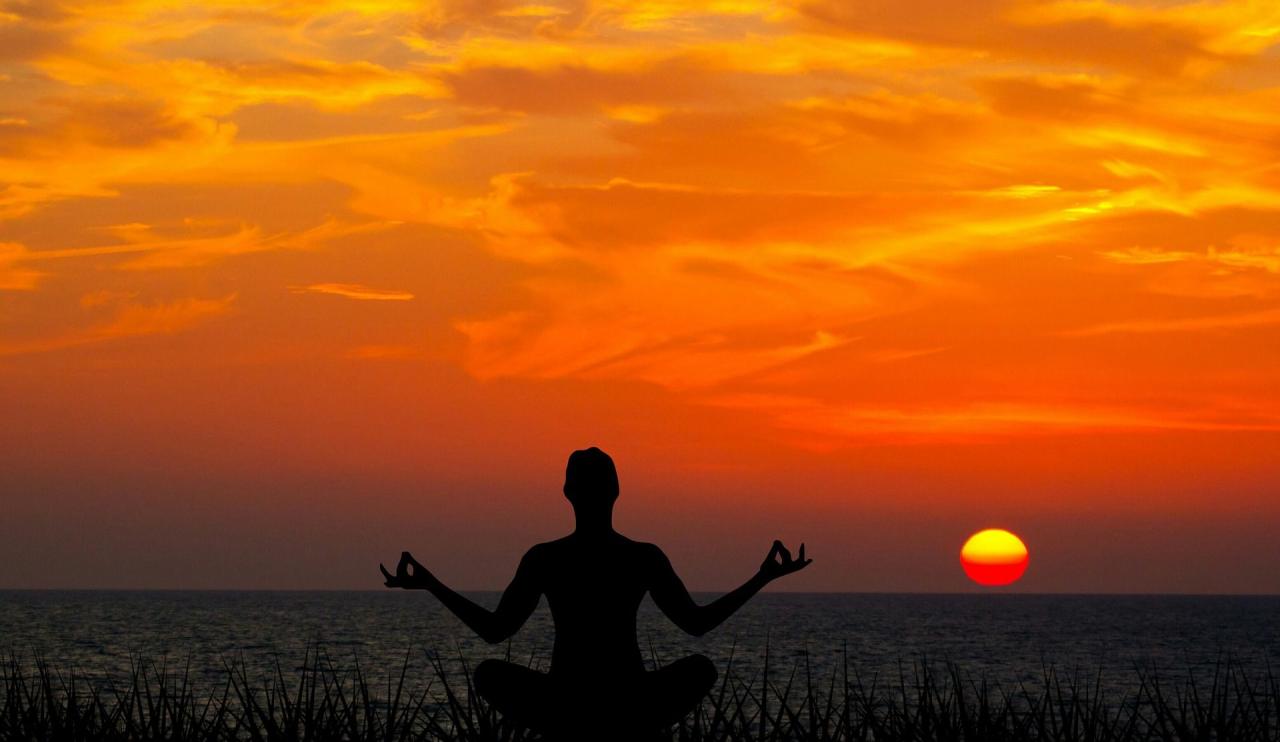
In conclusion, cultivating gratitude through meditation provides a powerful tool for strengthening relationships and enriching emotional connections. By consistently practicing these techniques and integrating gratitude into daily life, individuals can experience greater empathy, compassion, and joy with their loved ones. Embracing this journey of mindful appreciation ultimately leads to more fulfilling and resilient relationships.